Air Conditioners vs Air Coolers: What’s Best for UK Homes in 2026?

Written by Stephen Day
Gas Safe Engineer
Updated:
6 min read
Understand the key differences between air conditioners and air coolers to choose the best cooling solution for your UK home.
In this article
Key takeaways
- Air conditioners offer powerful cooling for larger homes and extreme heat.
- Air coolers work best for small spaces with mild climates.
- iHeat provides energy-efficient air conditioning with 0% APR finance options.
As global temperatures continue to rise, keeping your home cool during the hotter months is becoming a priority for many UK homeowners.
With summer heatwaves and humidity on the rise, choosing the right cooling system for your home is essential for comfort, cost-effectiveness, and energy efficiency.
Two of the most popular options in the UK are air conditioners and air coolers. But how do you know which one is right for your home in 2026?
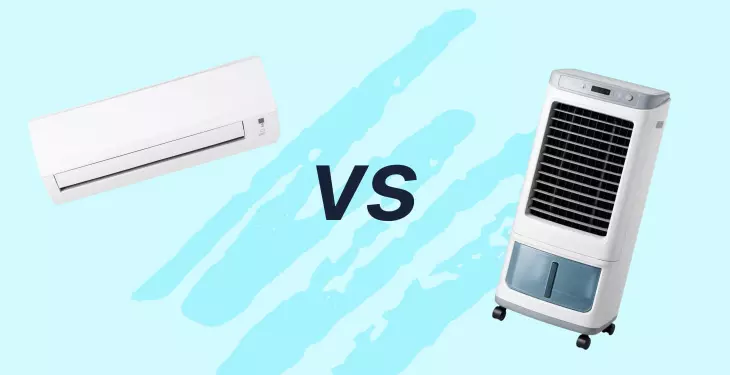
In this blog, we’ll break down the differences between air conditioners and air coolers, explain how they work, their pros and cons, and which system would suit your home best based on its size, climate, and cooling needs.
How do air conditioners work?
Air conditioners operate using a refrigeration cycle that cools indoor spaces by removing heat from the air inside the home.
The system consists of a compressor, refrigerant, and evaporator coils that absorb and release heat outside, keeping your home cool.
In addition to cooling, air conditioners also dehumidify the air, which makes it feel less sticky in humid environments.
This is why they’re ideal for areas with high humidity and extreme temperatures.
Pros of air conditioners:
Reliable cooling: Air conditioners provide consistent and powerful cooling, even on the hottest days.
Humidity control: These units remove excess moisture from the air, improving comfort in humid conditions.
Ideal for larger spaces: Air conditioners work well for large homes or multi-room setups.
Cons of air conditioners:
Higher initial cost: Air conditioners are more expensive to purchase and install compared to air coolers.
Higher energy consumption: These units use more electricity, leading to higher bills, especially during peak summer months.
Maintenance required: Regular servicing, such as filter cleaning and refrigerant checks, is needed to ensure efficient operation.
How do air coolers work?
Air coolers, also known as evaporative coolers, use a natural method to cool the air.
They draw warm air through water-soaked cooling pads.
As the air passes through the pads, the water evaporates, cooling the air before circulating it into the room.
Unlike air conditioners, air coolers don’t rely on refrigerants, making them more eco-friendly and cheaper to run.
However, they work best in dry climates and become less effective in humid conditions.
Pros of air coolers:
Lower initial cost: Air coolers are significantly cheaper to purchase and install than air conditioners.
Energy-efficient: Air coolers consume much less electricity than air conditioners, helping to reduce energy bills.
Eco-friendly: These units don’t use harmful refrigerants, making them environmentally friendly.
Cons of air coolers:
Less effective in humid areas: Air coolers are not effective in regions with high humidity, as evaporation works best in dry air.
Lower cooling capacity: These units are less powerful than air conditioners and aren’t suitable for cooling larger spaces or dealing with extreme heat.
Regular maintenance: The water tank and cooling pads need cleaning regularly to prevent bacteria growth.
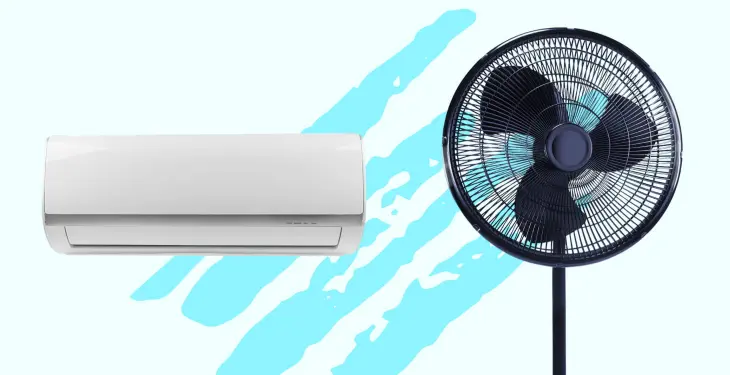
Air conditioners vs air coolers: Which one is right for your home?
Choosing the right cooling system depends on several factors, such as your home size, climate, and cooling needs.
Let’s break down the two systems to help you decide which one works best for you.
Air conditioners: Best for larger homes and extreme heat
If you live in a larger home or an area that experiences extreme heat or high humidity, an air conditioner is likely the best option.
These units provide consistent, reliable cooling and can efficiently lower the temperature in large spaces or multiple rooms.
Air conditioners are also more effective in humid environments, where they don’t just cool the air but also remove excess moisture, making your home more comfortable.
Air coolers: Best for smaller homes and moderate heat
For smaller homes, apartments, or regions with milder summer temperatures, air coolers offer a more affordable and energy-efficient solution.
These units work best for dry climates and can provide sufficient cooling without the high running costs of air conditioners.
Air coolers are perfect for single rooms or smaller spaces, where cooling demands are lower.
Choosing the right cooling system for your home
Here’s a quick breakdown of the differences:
Feature | Air Conditioners | Air Coolers |
|---|---|---|
Cooling Power | High cooling power, ideal for large spaces | Moderate cooling power, ideal for smaller spaces |
Energy Usage | Higher electricity consumption | Low electricity consumption |
Humidity Control | Reduces humidity, ideal for humid climates | Does not affect humidity, works best in dry environments |
Cost | Higher initial cost, ongoing maintenance | Lower initial cost, minimal ongoing maintenance |
Climate Suitability | Ideal for hot and humid climates | Best for dry, mild climates |
Conclusion: Which cooling solution is right for you?
Choosing between an air conditioner and an air cooler depends on several factors:
Air conditioners are best suited for larger homes or areas with extreme heat and humidity. They offer powerful and consistent cooling and are ideal for regions that experience high temperatures and moisture.
Air coolers are ideal for smaller homes, apartments, or areas with mild temperatures. They are energy-efficient and affordable but are most effective in dry climates with low humidity.
How iHeat can help
At iHeat, we specialise in providing energy-efficient air conditioning systems that are perfect for homes across the UK.
Whether you're looking for a solution to keep your home cool during the summer heatwaves or need a system that works year-round, we have a range of products to meet your needs.
Our air conditioning systems are designed to offer powerful, reliable cooling for both small and large spaces, making them ideal for homes of all sizes.
Plus, many of our units offer heating functions as well, providing you with a year-round climate control solution.
Why choose iHeat?
Expert installation: Our Gas Safe registered engineers offer fast, professional installation, often within 24 hours of ordering.
Finance options: With 0% APR finance, we make it easy for you to invest in an air conditioning system that fits your home and budget.
Energy-efficient systems: Our systems are designed to be as energy-efficient as possible, helping to reduce your energy bills while keeping your home comfortable.
Tailored to your needs: Whether you need a single unit for one room or a multi-room system for your entire home, iHeat provides solutions tailored to your specific requirements.
Ongoing support: We offer maintenance and servicing to keep your system running efficiently, ensuring you get the most out of your investment.
If you're looking for a cost-effective, energy-efficient cooling solution that’s reliable and long-lasting, iHeat can provide the perfect air conditioning system for your home.
Contact us today to get a free quote and take the first step towards a more comfortable home with iHeat’s air conditioning solutions.
Last updated: