


Combining Air Source Heat Pumps And Solar Panels: UK Guide

Written by Stephen Day
Gas Safe Engineer
Updated:
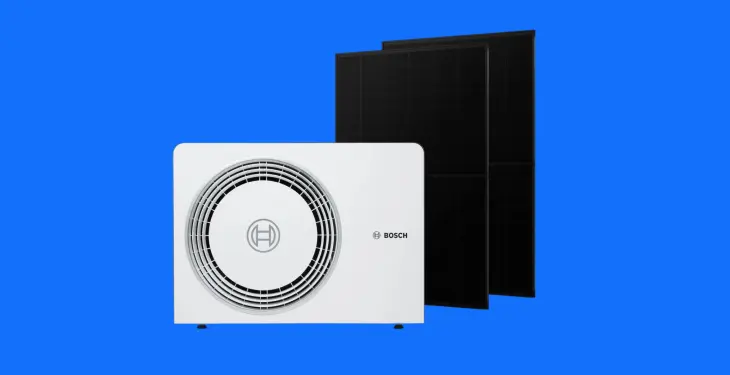
Most homes can lower heating costs by combining air source heat pumps with solar panels.
- How Air Source Heat Pumps and Solar Panels Work Together
- Benefits of Combining Heat Pumps and Solar Panels
- When a Combined System Works Best
- Common Questions About Heat Pumps and Solar Panels
- What Affects Performance When Using Both Systems
- Costs: Average UK Guide Prices
- Simple Comparison Table
- Safety and Responsible Guidance
- Is It Worth Combining Heat Pumps and Solar Panels
- Heat pump and solar combination summary
Key takeaways
- Solar panels can power part of a heat pump’s electricity use.
- Correct system sizing improves overall efficiency.
- Many homes see reduced energy bills across the year.
How Air Source Heat Pumps and Solar Panels Work Together
Air source heat pumps and solar panels are becoming more common in UK homes.
Many homeowners now want to know whether combining the two systems is worth it.
Understanding the basics helps explain how they can support each other.
How an air source heat pump heats your home
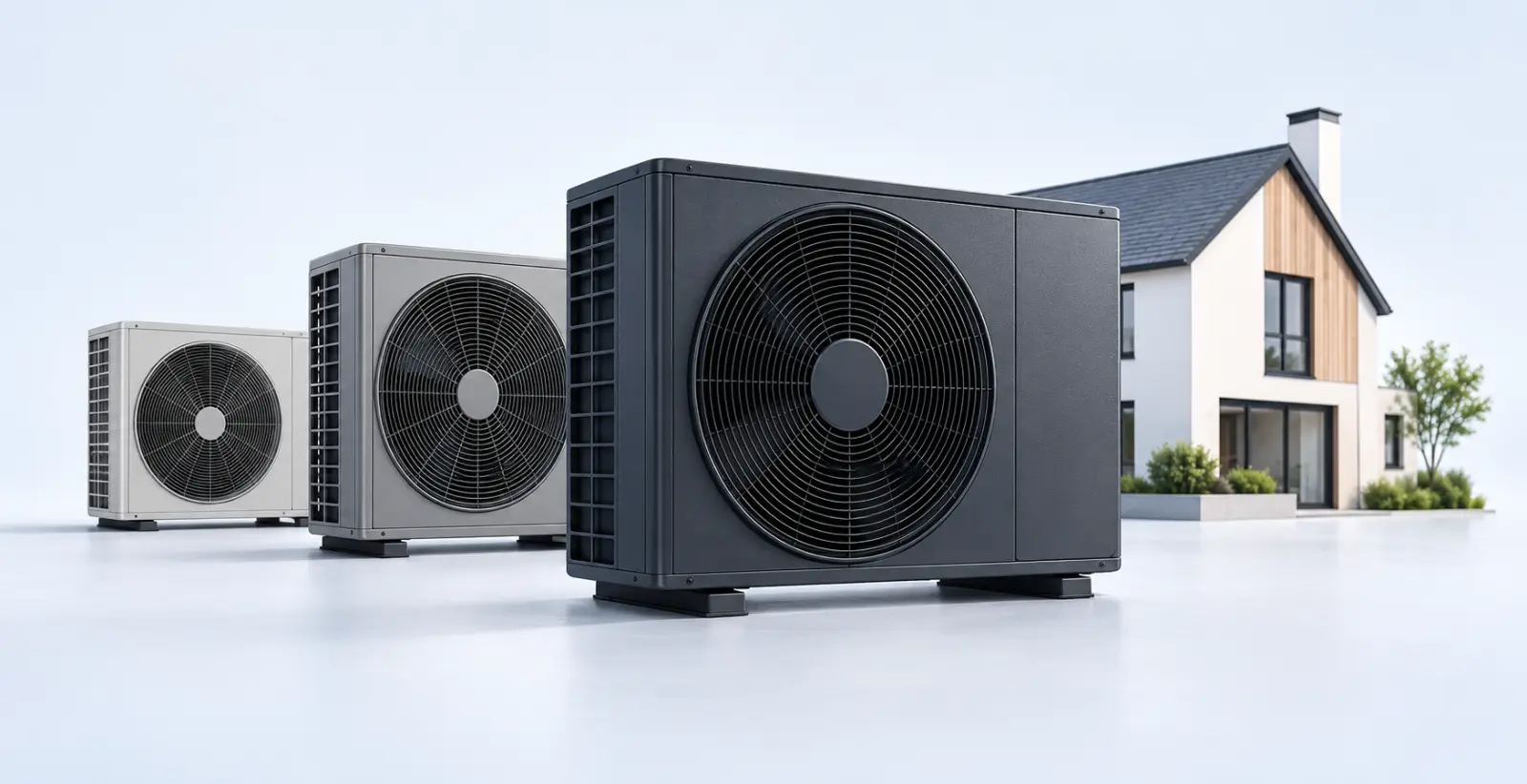
A heat pump takes heat from the outside air and upgrades it for use in your home.
It uses electricity to do this, but it gives out more heat than the electricity it uses.
It works steadily rather than giving quick blasts of high heat, which is why insulation and correct radiator sizing make a big difference.
How solar panels generate electricity
Solar panels turn daylight into electricity. They produce the most in the middle of the day but still work on cloudy days, just at a lower level.
Why they complement each other
A heat pump uses electricity to run. Solar panels produce electricity.
When both systems are installed:
Solar panels help power the heat pump during the day.
The home uses less electricity from the grid.
Running costs can fall because more heating energy comes from your own generation.
This is why many homes find the combination beneficial.
Benefits of Combining Heat Pumps and Solar Panels
The benefits vary between homes, but several clear advantages apply to most households.
Lower running costs for heating and hot water
Because a heat pump runs on electricity, using solar energy during the day can reduce how much paid electricity you need.
Real examples:
A family home where someone is at home during the day may notice strong savings.
A two bedroom home with good insulation may see a clear reduction in daytime electricity use.
A household with regular hot water use throughout the day often benefits because the heat pump can run more often while solar is generating.
Better efficiency across the year
Heat pumps work steadily. Solar panels work through daylight hours. These patterns often line up well. Even in winter, any solar generation reduces the load on grid electricity.
Reduced reliance on the grid
Using more of your own electricity gives you more control over your energy use, especially during the day.
Predictable long term performance
Both systems work well for many years when installed correctly. They help create a steady, reliable home heating setup.
When a Combined System Works Best
Not all homes benefit in the same way. A combined system works especially well when certain conditions are met.
Homes with good insulation
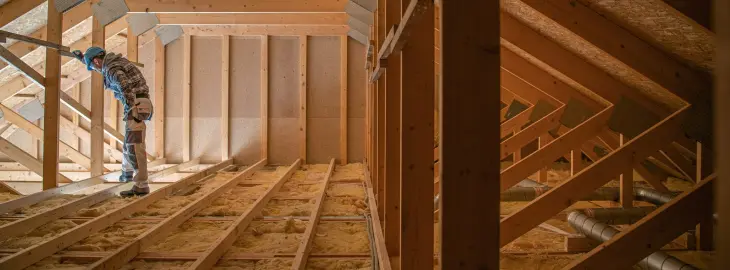
A heat pump performs best when the home holds onto heat.
Cavity wall insulation, loft insulation and good windows make a noticeable difference.
When heat loss is reduced, the heat pump uses less electricity and solar power goes further.
Homes with daytime electricity use

The more electricity used during the day, the more solar can help. For example:
Home working households
Families using heating and appliances throughout the day
Homes with consistent hot water use
Homes with electric vehicles charging in daylight hours
Homes with enough roof space for panels
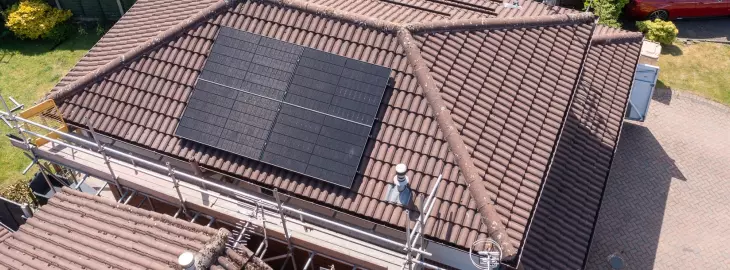
A south or southwest facing roof gives the strongest output, but east and west facing roofs can also perform well.
When battery storage may be helpful
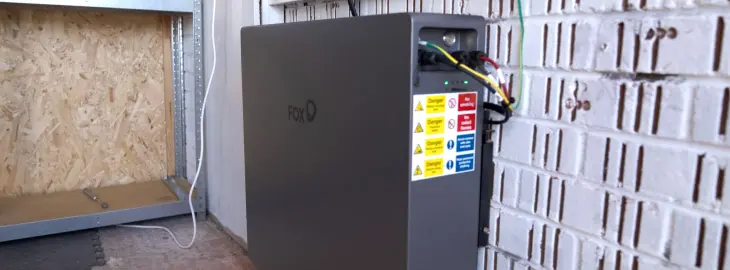
Some homes add a battery to store extra solar electricity for later use.
This is not essential for a heat pump but can help if the household uses most electricity in the evenings.
Common Questions About Heat Pumps and Solar Panels
Will solar panels fully power a heat pump
Not all year. Solar can support the heat pump during the day, but most homes still use electricity from the grid.
Solar reduces grid reliance but does not replace it.
How much electricity does a heat pump use
The amount depends on home size, insulation and how warm you prefer the property.
Homes that hold heat well need less electricity to stay warm.
Can a heat pump run at night or on cloudy days
Yes. A heat pump runs whenever needed, using grid electricity if solar output is low.
Do radiators or cylinders need changing
Some homes may need larger radiators to help the heat pump work efficiently.
Hot water cylinders may also need updating if they are not suited to heat pump temperatures.
What Affects Performance When Using Both Systems
Performance varies between homes. Key factors include:
Home insulation levels
Radiator sizes
Cylinder capacity
Roof space for solar panels
Direction and angle of the roof
Daytime electricity use
Local climate and shade
Heat loss across large rooms
These factors help determine how well the two systems work together.
Costs: Average UK Guide Prices
Costs vary depending on home size, system size and any upgrades needed. These figures are broad UK averages.
Cost of an air source heat pump
Most homes fall between £7,000 and £13,000, depending on specification.
Cost of solar panels
A typical home installation ranges from £5,000 to £8,000.
Cost of combining both systems
A combined installation usually sits between £12,000 and £20,000 depending on radiator upgrades, cylinder changes and system size.
Why costs vary
Larger homes need larger heat pumps
More panels increase system output
Some homes need new radiators for correct heat pump operation
Installation can be simpler or more complex depending on layout
This helps explain why two homes of similar size can still have different project costs.
Simple Comparison Table
System type | Main benefit | Main limitation |
Heat pump only | Efficient heating and hot water | Uses grid electricity |
Solar only | Lower electricity bills | Does not provide heating |
Heat pump with solar | Lower running costs and higher efficiency | Higher initial cost |
Safety and Responsible Guidance
To keep your home and heating system safe:
All electrical work must be completed by qualified installers.
Do not attempt to open or adjust sealed parts of the heat pump.
Do not try to connect solar equipment to heating systems yourself.
Always follow the installer’s advice on maintenance and servicing.
This protects both your home and the system.
Is It Worth Combining Heat Pumps and Solar Panels
Many homes find the combination worthwhile.
When installed in the right conditions, a combined system can reduce electricity use, lower heating costs and create a more efficient and stable home setup.
Homes with good insulation, regular daytime use and suitable roof space often see the greatest benefit.
Homes with high heat loss or limited roof space may not see the same return, but a heat pump alone can still work well when sized correctly.
Heat pump and solar combination summary
If you are thinking about a heat pump or want help understanding what suits your home, iHeat installs air source heat pumps from leading brands including Worcester Bosch, Vaillant and Alpha.
You can get a free online quote and simple guidance to help you choose the right system for your home.
Last updated:
Written by Stephen Day
Gas Safe Engineer at iHeat
Stephen Day is a Gas Safe registered and FGAS certified engineer with over 20 years of hands-on experience in the heating, cooling, and renewable energy industry, specialising in boiler installations, air conditioning, and heat pump systems.
LinkedInArticles by Stephen Day are reviewed by iHeat’s technical team to ensure accuracy and reliability.
More heat pump help & advice
01st October, 2026
The best air source heat pumps...
Compare current heat pump ranges, understand the differences that matter and choose a syst...
 Read Article

20th May, 2026
Heat Pumps For Flats: Essentia...
Heat pumps can be installed in flats, but there are some important factors to consider.
Read Article
05th December, 2025
Do You Need New Radiators for...
Most homes need some radiators upgraded for a heat pump, but usually not all of them.
Read Article
Upgrade to a heat pump?
- Get an instant estimate
- MCS-accredited installers
- 0% deposit finance available
- Which? Trusted Trader
No obligation. Takes less than 60 seconds.