


High Temperature Heat Pumps UK - Are They Worth It?


Written by Stephen Day
Gas Safe Engineer
Updated:
High temperature heat pumps work like boilers without needing radiators, but they cost more than standard systems.
- What Is a High Temperature Heat Pump?
- How High Temperature Heat Pumps Work
- Are High Temperature Heat Pumps Worth It in the UK?
- Running Costs: High Temperature vs Standard Heat Pumps
- Performance in Cold UK Weather
- Installation Requirements
- Pros and Cons of High Temperature Heat Pumps
- High Temperature Heat Pump Costs 2025
- Who Should Choose a High Temperature Heat Pump?
- Alternatives to High Temperature Heat Pumps
- High Temperature Heat Pumps and the Boiler Upgrade Scheme
- iHeat Heat Pump Installation
- Are High Temperature Heat Pumps Worth It?
Key takeaways
- They reach boiler-level temperatures but use more energy.
- Best for homes that cannot upgrade radiators or pipework.
- Standard heat pumps are usually cheaper and more efficient.
High temperature heat pumps are designed to reach higher water temperatures than standard heat pumps.
Many homeowners search for them because they want a heating system that behaves more like a traditional boiler without the need for major radiator upgrades.
This guide explains what they are, how they compare to standard models, what they cost, and who they are suitable for in the UK.
What Is a High Temperature Heat Pump?
A high temperature heat pump is a type of air source heat pump that can deliver water temperatures of roughly 60 to 75 degrees Celsius.
This is much closer to the output of a modern gas boiler.
A standard heat pump usually supplies water at around 35 to 55 degrees Celsius.
High temperature models still operate by extracting heat from the outdoor air and using a compressor to increase the temperature.
They are simply engineered to deliver a higher flow temperature.
This can be helpful in homes that still rely on smaller radiators or older heating systems.
How High Temperature Heat Pumps Work
Simple operation
Like any heat pump, the system transfers heat from the outdoor air into the home.
Refrigerant absorbs heat from the air, moves through a compressor that increases temperature, and then transfers that heat to water for your radiators and hot water cylinder.
Why they can reach higher temperatures
High temperature pumps use advanced refrigerants or two stage compression to reach higher water temperatures.
You do not need to understand the engineering in detail.
The important point is that they can supply water hot enough for many older radiators without needing major upgrades.
Are High Temperature Heat Pumps Worth It in the UK?
The answer depends entirely on your home. High temperature models can be ideal for some properties but unnecessary or costly for others.
When they make sense
They are most suitable when:
The home has older radiators that were originally designed for high temperature boilers.
The property is difficult or expensive to insulate.
The house is large and has high heating demand.
The home previously used an oil boiler or LPG system.
The homeowner wants to reduce disruption during installation.
When they are not worth it
They are usually not the best choice when:
The home is already well insulated.
Radiators are modern and sized correctly for lower temperature systems.
The property is a new build or has recently been renovated.
The priority is the lowest possible running costs.
For most modern or insulated homes, a standard air source heat pump is usually more cost effective.
Running Costs: High Temperature vs Standard Heat Pumps
Efficiency is the biggest difference between the two systems.
Typical efficiency (COP)
The COP is the amount of heat produced for every unit of electricity consumed.
High temperature COP: usually 2.2 to 2.8
Standard heat pump COP: usually 3.2 to 4.0
Higher COP means lower running costs.
As electricity prices remain significantly higher than gas, efficiency has a major impact on monthly bills.
What this means for energy bills
A high temperature heat pump can be more expensive to run because it has to use more electricity to reach higher flow temperatures.
Standard models are usually cheaper to run but require larger radiators or better insulation.
Performance in Cold UK Weather
High temperature heat pumps are built to maintain higher water temperatures even when the outdoor temperature drops.
Maintaining flow temperatures
They can hold higher temperatures in winter, but the colder the outdoor air, the more electricity the system will use
As a result, running costs can rise significantly during cold periods.
Hot water performance
Because the system can deliver higher temperatures, it can heat a cylinder faster and supply more consistent hot water.
It will not produce instant hot water like a combi boiler, but performance is closer to traditional systems than a standard heat pump.
Installation Requirements
What usually needs upgrading
High temperature systems often work with existing radiators, which reduces disruption. However, most homes still need:
A hot water cylinder suitable for heat pumps.
A suitable outdoor space for the external unit.
Correct pipework sizing between the pump and the cylinder.
Space and noise
The outdoor unit is similar to a standard heat pump.
It needs clear space around it for airflow and will produce a low level of noise that must comply with UK planning rules.
Pros and Cons of High Temperature Heat Pumps
Advantages
Works with older radiators in many homes.
Reduced need for radiator or pipework upgrades.
Higher water temperatures closer to boiler systems.
Useful for large and older homes.
Good alternative to oil or LPG boilers in rural areas.
Disadvantages
Lower efficiency than standard heat pumps.
Higher running costs.
Higher installation cost.
Still depends on electricity prices which can be volatile.
Requires outdoor space for the unit.
High Temperature Heat Pump Costs 2025
Here are typical UK installation costs.
System Type | Typical Installed Cost | Running Cost Notes |
|---|---|---|
High temperature ASHP | £10,000 to £16,000 | Higher electricity use due to lower efficiency |
Standard ASHP | £7,500 to £12,500 | Usually cheaper to run |
Costs vary by property size, insulation, brand, and installer.
Who Should Choose a High Temperature Heat Pump?
Ideal homes
A high temperature model is most suitable for:
Older homes with original radiators.
Properties that are difficult to insulate.
Large homes with high heat demand.
Rural homes switching from oil or LPG.
Homeowners who want less internal disruption.
Homes that should avoid them
They are usually not ideal for:
New builds.
Well insulated homes.
Homes that can easily upgrade radiators.
Anyone looking for the lowest possible running costs.
Alternatives to High Temperature Heat Pumps
Standard air source heat pumps
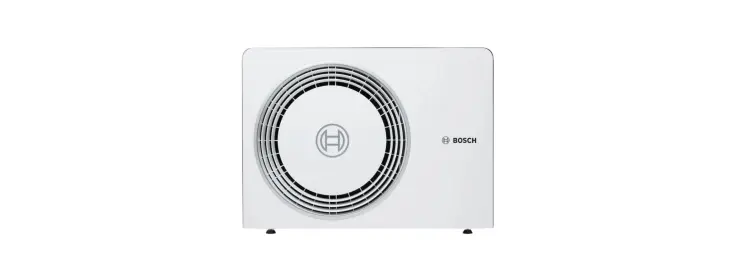
These are the best option for most UK homes and provide the lowest running costs once the home is insulated correctly.
Hybrid heat pumps
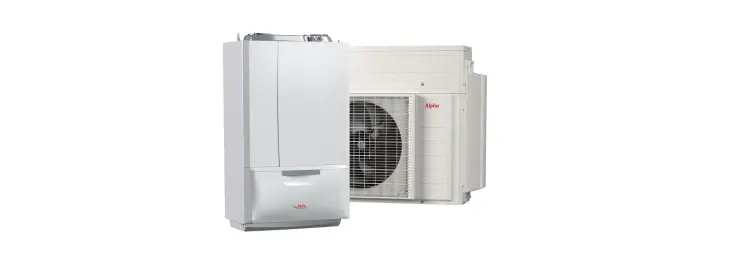
A hybrid system keeps the boiler in place and uses both the boiler and a heat pump when needed.
This reduces running costs while still providing high temperatures in colder weather.
Replacing the boiler

Some homeowners may decide a new boiler is the better choice.
iHeat supplies well known brands including Alpha, Worcester Bosch and Vaillant.
High Temperature Heat Pumps and the Boiler Upgrade Scheme
The Boiler Upgrade Scheme provides:
£7,500 toward air source heat pump installation, including many high temperature models.
To qualify, the home must have suitable insulation as shown on the EPC. Your installer will advise whether your home meets the criteria.
iHeat Heat Pump Installation
iHeat provides expert support for homeowners deciding between high temperature and standard heat pumps.
The team installs recognised brands such as Alpha, Worcester Bosch and Vaillant. The process includes:
Online quote and property assessment.
Guidance on the most suitable system for your home.
A clear installation timeline.
Support with Boiler Upgrade Scheme eligibility.
iHeat also provides guidance on when a standard heat pump may be more efficient than a high temperature model.
Are High Temperature Heat Pumps Worth It?
A high temperature heat pump is worth it for homes that cannot easily upgrade radiators or insulation and still need higher water temperatures.
They are particularly effective for older homes, large properties and rural houses that previously relied on oil or LPG.
For most modern or insulated UK homes, a standard heat pump is usually more efficient, cheaper to run and more cost effective.
If you want help deciding which system is the best match for your home, iHeat can assess your heating needs and recommend the most suitable option.
Last updated:
Written by Stephen Day
Gas Safe Engineer at iHeat
Stephen Day is a Gas Safe registered and FGAS certified engineer with over 20 years of hands-on experience in the heating, cooling, and renewable energy industry, specialising in boiler installations, air conditioning, and heat pump systems.
LinkedInArticles by Stephen Day are reviewed by iHeat’s technical team to ensure accuracy and reliability.
More heat pump help & advice
01st October, 2026
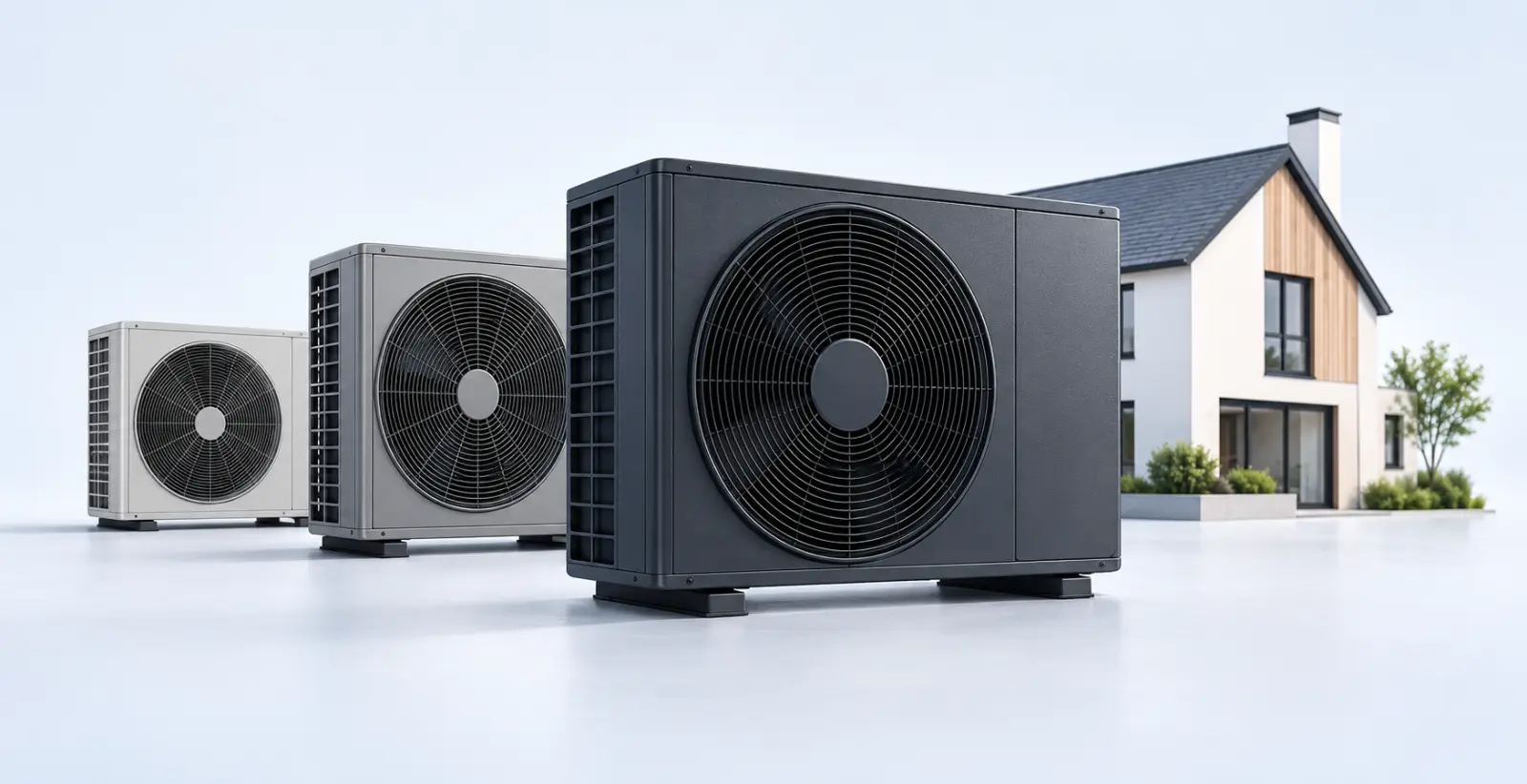
The best air source heat pumps...
Compare current heat pump ranges, understand the differences that matter and choose a syst...
 Read Article

20th May, 2026
Heat Pumps For Flats: Essentia...
Heat pumps can be installed in flats, but there are some important factors to consider.
Read Article
16th January, 2026
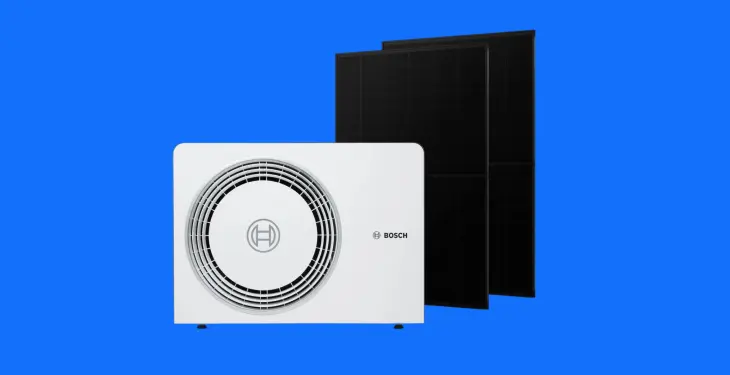
Combining Air Source Heat Pump...
Most homes can lower heating costs by combining air source heat pumps with solar panels.
Read Article
Upgrade to a heat pump?
- Get an instant estimate
- MCS-accredited installers
- 0% deposit finance available
- Which? Trusted Trader
No obligation. Takes less than 60 seconds.