Do You Need New Radiators for Heat Pumps?

Written by Stephen Day
Gas Safe Engineer
Updated:
6 min read
Most homes need some radiators upgraded for a heat pump, but usually not all of them.
In this article
Key takeaways
- Some radiators may need resizing for a heat pump.
- Larger or cooler rooms are the most likely to need upgrades.
- A heat loss survey confirms exactly which radiators need changing.
How Heat Pumps Work with Radiators
Heat pumps use a different heating approach compared to gas boilers.
Boilers heat water to high flow temperatures, usually between 60 and 80°C.
Heat pumps run at lower temperatures, often around 40 to 55°C.
This lower flow temperature is efficient and helps keep running costs predictable.
Some homes also consider high temperature systems, and our guide to high temperature heat pumps explains how they work at warmer flow temperatures.
Why heat pumps run at lower temperatures
A heat pump gathers heat from the air outside and concentrates it into your home.
Because it does this gradually, it works best when the heating system runs steadily at a lower temperature rather than switching on and off at high heat.
What this means for radiators
Lower flow temperatures mean radiators must release heat over a larger surface area to keep rooms warm.
A radiator that is too small may struggle to reach the room temperature you expect, especially on colder days.
When You Do and Don’t Need New Radiators
Most homes do not need every radiator replaced, but many need one or two key rooms upgrading.
This depends on insulation, room size and the condition of your current radiators.
Homes that often do need some upgrades
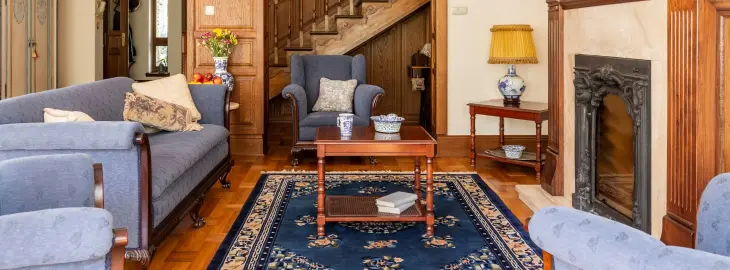
Older homes with larger rooms
Homes with thin internal walls or older insulation
Homes with single panel radiators originally fitted for a boiler
Rooms that already feel cooler than others
A living room with two outside walls is a typical example.
With a boiler, it may warm up quickly.
With a heat pump, engineers often find these rooms benefit from a larger or double panel radiator to maintain comfort.
Homes that often do not need radiator changes
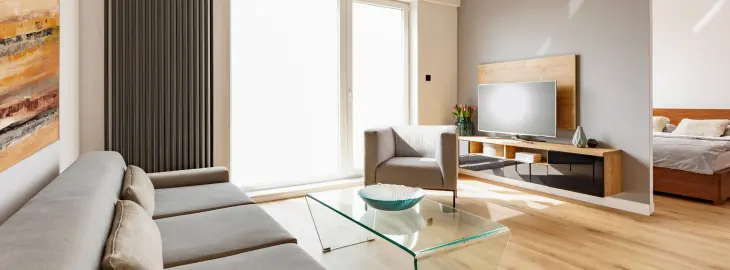
New builds with modern insulation
Flats with naturally lower heat loss
Homes already fitted with double panel radiators
Smaller homes where heat demand is low
A spare bedroom that only needs gentle heating through the day often performs well with the radiators already in place.
How to Tell if Your Radiators Are Too Small
A few practical signs can help you understand whether your radiators may struggle with a heat pump.
Common signs of undersized radiators
Rooms that take a long time to warm up
Rooms that drop in temperature quickly
Needing the heating on for longer than expected
Having to boost the system more often
Why an engineer should check each room
A room-by-room heat loss survey is the correct way to size radiators for a heat pump.
This assessment looks at insulation, room size, window areas and the typical heat demand.
It gives clear, accurate results and avoids guesswork.
Why guessing rarely works
Some radiators appear large but produce less heat than expected.
Designer radiators, for example, often have lower heat output compared to standard double panel radiators.
This is why careful sizing is important.
Heat Pump Radiators vs Boiler Radiators
Heat pumps do not use special radiators, but the radiators must be large enough to heat the room at lower temperatures.
Key differences
Boilers work with smaller radiators because the water is hotter.
Heat pumps rely on a larger surface area to release the same amount of heat.
Why double panel radiators work well
Double panel radiators have a larger surface area, which allows them to heat rooms effectively at the lower temperatures used by heat pumps.
When designer radiators are not ideal
Slim or narrow radiators can look modern but often release less heat.
Homes switching to heat pumps may need to replace these with radiators that provide more output.
If you want a simple explanation of how radiator sizing affects performance, our heat pump radiators guide explains the key principles in plain language.
Do You Need to Replace All Radiators?
Most households only replace a few radiators. It is rare that a full home upgrade is needed.
Rooms that often need upgrading
Living rooms
Open plan areas
Large bedrooms
Rooms with high heat loss
Rooms that often stay as they are
Bathrooms with towel radiators
Hallways
Small bedrooms
Utility rooms
These spaces usually have lower heat demand and may work well without changes.
Costs: Average Guide for Upgrading Radiators
Costs vary depending on radiator size and the amount of work needed.
Below is a simple guide for homeowners.
Replacing one radiator: £150 to £400
Installing a larger radiator: £200 to £500 including labour
Upgrading several radiators: varies based on room size and number of replacements
Most homes spend far less than a full home replacement.
Real Home Examples That Help You Decide
Example 1: Two-bed semi with single panel radiators
Three radiators were upgraded. The rest of the home was already suitable.
Example 2: Modern flat
No radiators needed replacing due to strong insulation and low heat demand.
Example 3: Large family home
One large radiator in the main living space was upgraded to keep the room consistently warm.
A hallway with a towel radiator, however, typically stays suitable without changes.
What Happens During a Heat Pump Survey
During a survey, an engineer checks your home layout and radiator sizes to understand how well a heat pump will work.
What the engineer measures
Room size
Insulation levels
Window size
Radiator output
Expected heat loss
Why room-by-room checks matter
This method ensures each room has the heating it needs and avoids cold spots once the heat pump is running.
How engineers decide what needs replacing
The engineer compares the radiator’s heat output with the heat demand for that room.
If the output is lower than required, they recommend a suitable replacement.
If the radiator already meets the requirement, it can stay as it is.
Can Heat Pumps Work with Underfloor Heating Instead?
Underfloor heating pairs very well with heat pumps because it spreads warmth evenly at low temperatures.
Homes with underfloor heating often need fewer radiator changes or none at all.
How Homeowners Can Prepare Before a Heat Pump Survey
A few simple steps can help you understand your home’s needs:
Note any rooms that feel harder to heat in winter
Check whether you already have double panel radiators
Think about rooms that are open plan or have high ceilings
These observations help engineers make accurate recommendations.
Final Thoughts: Do You Need New Radiators for a Heat Pump?
Most homes need one or two radiators upgraded, not a full replacement.
A clear room-by-room check remains the best way to understand what your home needs and how to get the most from a heat pump.
If you are comparing models or planning your system, our list of the best air source heat pumps can help you understand which options suit different homes.
iHeat Help
iHeat installs heat pumps from leading brands including Worcester Bosch, Vaillant and Alpha.
Our team can explain how radiators affect heat pump performance and what changes may be needed in your home.
We provide clear guidance during the survey process, free online quotes and fast installation across the UK.
If you’d like personalised advice on preparing your home for a heat pump, iHeat can help.
Last updated: