


Can Solar Batteries Be Installed Outside in the UK?

Written by Bethany Armstrong
Renewables Manager
Updated:
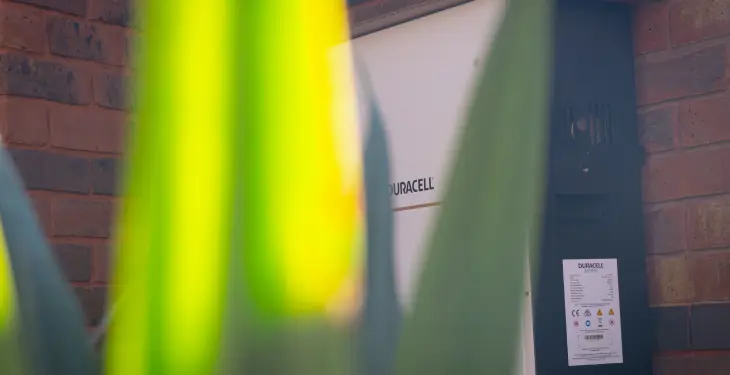
Yes, many solar batteries can be installed outdoors in the UK if they are designed for external use and installed in a suitable location.
- Why outdoor battery installation is becoming more common
- Can solar batteries be installed outside in the UK?
- Are solar batteries designed for outdoor use?
- How do outdoor batteries cope with UK weather?
- What are IP ratings and why do they matter?
- Where are outdoor batteries most commonly installed?
- Does cold weather affect outdoor batteries?
- Does outdoor installation affect battery lifespan?
- What about hot weather and direct sunlight?
- Do outdoor batteries need additional protection?
- Outdoor vs indoor battery installation
- What installers consider before fitting a battery outdoors
- Why installers assess every property differently
- Are outdoor solar batteries safe?
- Common misconceptions about outdoor battery installation
- Outdoor battery installation is often more practical than homeowners expect
Key takeaways
- Many solar batteries can be installed outdoors.
- The battery must be rated for external use.
- Installation location affects performance and lifespan.
Some homeowners interested in battery storage discover they do not have an obvious indoor location available.
Garages, utility rooms, and plant rooms are often recommended for battery installations, but not every property has suitable internal space.
This leads to a common question:
Can solar batteries be installed outside in the UK?
The answer is often yes.
Many modern battery systems are specifically designed for outdoor installation and are routinely fitted on external walls and around properties throughout the UK.
However, not every battery is suitable for outdoor use, and the installation location can have an important impact on both performance and long-term reliability.
Why outdoor battery installation is becoming more common
As battery storage becomes more popular, many homeowners are finding they simply do not have a suitable indoor location available.
New-build homes, smaller properties, and houses without garages often leave limited space for energy equipment indoors.
As a result, outdoor battery installation has become increasingly common, particularly where manufacturers have designed systems specifically for external use.
For many homeowners, installing the battery outside can provide a practical solution without sacrificing valuable indoor storage space.
Can solar batteries be installed outside in the UK?
In many cases, yes.
A growing number of battery storage systems are designed to operate safely outdoors throughout the year.
These batteries are built to withstand typical UK weather conditions, including:
Rain
Wind
Frost
Seasonal temperature changes
Provided the battery is approved for outdoor installation and fitted according to manufacturer guidance, external installation is often a perfectly suitable option.
For many homeowners, the key question is not whether a battery can be installed outside, but whether the specific battery model has been designed for external use.
Expert Insight:
One of the most common concerns we hear from homeowners is whether a battery can safely remain outside during winter. In practice, many modern battery systems are specifically designed for outdoor installation and operate year-round in UK weather conditions when installed according to manufacturer requirements.
Are solar batteries designed for outdoor use?
Some are and some are not.
This is one of the most important distinctions homeowners need to understand.
Battery systems vary significantly between manufacturers.
While some batteries are intended primarily for indoor environments, others are specifically designed to operate outdoors all year round.
Outdoor-capable batteries typically include:
Weather-resistant casings
Sealed enclosures
Enhanced environmental protection
Temperature management systems
Before installation, the manufacturer's guidance should always be checked to confirm whether external installation is permitted.
How do outdoor batteries cope with UK weather?
One of the biggest concerns homeowners have is whether a battery can cope with British weather.
Fortunately, many modern outdoor battery systems are designed specifically with these conditions in mind.
Throughout the year, UK batteries may experience:
Heavy rainfall
Strong winds
Frost
Snow
Summer heat
Outdoor-rated battery systems are designed to operate safely across a range of environmental conditions.
This means rain alone is not normally a problem for a properly installed outdoor battery.
Instead, installers focus on ensuring the battery is positioned in a suitable location and installed according to manufacturer requirements.
What are IP ratings and why do they matter?
If you're researching outdoor battery systems, you may come across the term IP rating.
IP stands for Ingress Protection.
These ratings indicate how well equipment is protected against:
Dust
Water
Environmental exposure
For outdoor battery installations, IP ratings help indicate whether a product has been designed to withstand weather conditions.
While homeowners do not necessarily need to understand every technical detail, checking that a battery is approved for outdoor use is an important part of the selection process.
Higher levels of environmental protection generally provide greater reassurance when equipment is exposed to the elements.
Where are outdoor batteries most commonly installed?
Many UK battery systems are installed:
On rear external walls
Along side returns
In sheltered garden areas
Within dedicated outdoor enclosures
Installers generally look for locations that provide good accessibility while avoiding unnecessary exposure to physical damage or excessive environmental stress.
The ideal location varies from property to property, which is why site surveys remain an important part of the installation process.
Does cold weather affect outdoor batteries?
Many homeowners worry that UK winters may be too cold for battery storage.
In reality, most modern battery systems are designed to operate safely in low temperatures.
However, cold weather can sometimes affect battery performance.
For example, batteries may charge or discharge slightly differently during colder periods.
This is not usually a safety issue.
Modern battery management systems continuously monitor operating conditions and help ensure the battery remains within safe parameters.
While freezing temperatures can affect charging efficiency, modern battery management systems are designed to monitor conditions and protect the battery automatically.
This is why UK winter weather is rarely a barrier to outdoor battery installation.
Does outdoor installation affect battery lifespan?
Many homeowners assume a battery installed outdoors will wear out faster than one installed inside.
In reality, manufacturers design outdoor-rated batteries to operate within a defined range of environmental conditions.
However, factors such as excessive heat, poor positioning, or prolonged exposure to unsuitable conditions may affect long-term performance.
This is one reason installers carefully assess battery locations rather than simply mounting a system on any available external wall.
For most homeowners, choosing a suitable location is just as important as choosing the battery itself.
What about hot weather and direct sunlight?
Although UK homeowners often focus on rain and frost, excessive heat can also affect battery performance.
Installers typically avoid locations that experience prolonged direct sunlight where possible and follow manufacturer guidance on positioning and ventilation.
This helps maintain efficient operation throughout the year and supports long-term battery health.
While UK temperatures are generally less extreme than in some parts of the world, careful positioning remains an important part of battery installation.
Do outdoor batteries need additional protection?
In some situations, yes.
Although outdoor batteries are designed to withstand weather exposure, installers may still consider factors such as:
Direct sunlight
Ventilation
Physical impacts
Accessibility
Environmental exposure
The objective is not necessarily to shield the battery completely from the weather, but to create the best possible operating environment.
Following manufacturer recommendations remains one of the most important aspects of a successful installation.
Outdoor vs indoor battery installation
Factor | Outdoor installation | Indoor installation |
Space requirements | Saves indoor space | Uses internal space |
Weather exposure | Requires outdoor-rated battery | Protected environment |
Accessibility | Often easier to access | Depends on location |
Installation flexibility | High | Property dependent |
Neither option is automatically better.
The most appropriate location depends on the battery system and the property's layout.
What installers consider before fitting a battery outdoors
Before recommending an external installation, installers will assess several factors.
These often include:
Wall suitability
Environmental exposure
Cable routing
Access requirements
Battery specifications
Manufacturer guidance
A professional survey helps determine whether an outdoor installation is suitable and where the battery should be positioned.
In many cases, the survey process identifies locations that offer a balance between accessibility, protection, and performance.
Why installers assess every property differently
Even when two homes use the same battery system, the ideal installation location may be completely different.
Factors such as:
Wall construction
Cable routes
Weather exposure
Accessibility
Available space
can all influence where a battery should be positioned.
A location that works well on one property may not be suitable on another.
This is why professional surveys remain an important part of the installation process and help ensure the battery operates safely and efficiently over the long term.
Are outdoor solar batteries safe?
When the correct battery is used and installed properly, outdoor battery installations are generally considered safe.
Modern battery systems include a range of built-in protections designed to monitor performance and respond automatically if abnormal conditions are detected.
These may include:
Temperature monitoring
Fault detection
Battery management systems
Automatic shutdown features
The key is ensuring the battery has been designed for outdoor use and installed according to manufacturer requirements.
Common misconceptions about outdoor battery installation
"Outdoor batteries will be damaged by rain"
Outdoor-rated batteries are designed to withstand normal weather exposure.
"UK winters are too cold for battery storage"
Most modern battery systems are designed to operate safely in UK winter conditions.
"All batteries can be installed outside"
Some batteries are designed for indoor use only, so manufacturer guidance should always be checked.
"Outdoor batteries are less safe"
A properly installed outdoor battery can be just as safe as an indoor installation when the product is designed for external use.
Outdoor battery installation is often more practical than homeowners expect
Many homeowners assume battery storage requires a garage, utility room, or dedicated indoor space.
In reality, outdoor battery installation has become increasingly common across the UK, particularly as manufacturers continue developing systems designed specifically for external use.
For many properties, installing a battery outdoors can be just as practical, safe, and effective as an indoor installation when the correct equipment and installation methods are used.
The most important factor is ensuring the battery has been designed for outdoor use and installed in a suitable location that complies with manufacturer guidance.
A professional survey can help determine the most appropriate location and ensure the system is positioned for both safety and long-term performance.
If you're considering solar battery storage, iHeat can help assess your property and identify whether an outdoor installation is suitable for your home.
Last updated:
Written by Bethany Armstrong
Renewables Manager at iHeat
Bethany Armstrong is a renewables expert and operations manager at iHeat, specialising in heat pump solutions and solar project delivery across the UK.
LinkedInArticles by Bethany Armstrong are reviewed by iHeat’s technical team to ensure accuracy and reliability.
More solar & battery storage help & advice
03rd October, 2026
The best angle and direction f...
Discover how roof angle, direction and shading affect solar generation—and why your roof m...
 Read Article

30th September, 2026
Solar Panel Grants
Find out what help is available towards solar panel installation, who may qualify and how...
Read Article
29th September, 2026
Solar Panels on Finance: Sprea...
iHeat offer solar finance at 9.9%
Read Article