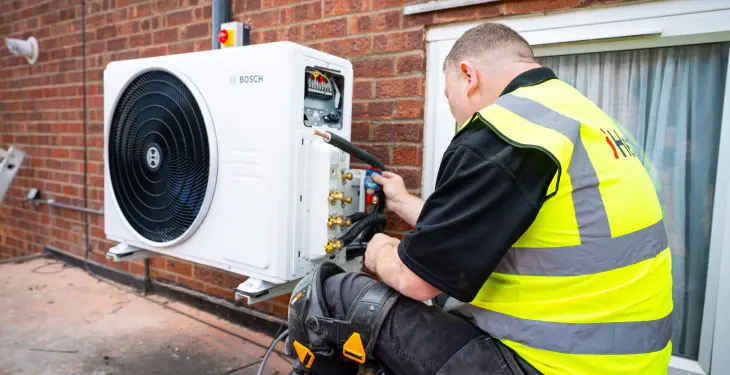
What is an air conditioning condenser unit?

Written by Stephen Day
Gas Safe Engineer
Updated:
7 min read
An air conditioning condenser unit is the outdoor part of your system that releases heat from inside, enabling effective cooling.
In this article
Key takeaways
- The condenser unit sits outside and releases heat.
- It is essential for cooling in standard air conditioning and heat pump systems.
- Without the condenser, the system can't effectively cool your home.
When you think of air conditioning, it’s easy to focus on the indoor unit that cools the air. However, the outdoor air conditioning condenser unit plays a critical role.
It works with the indoor unit to ensure your home stays comfortable by removing the heat that is absorbed inside.
In this blog, we’ll explain what an air conditioning condenser unit is, how it works, and why it matters for your system’s performance.
Understanding this essential part of your cooling (or heating) system will help you maintain it properly and spot potential issues early.
What does an air conditioning condenser unit do?
The job of the air conditioning condenser unit is simple but vital: it releases the heat that the indoor unit collects.
Here's how it works:
The indoor unit absorbs heat from your home and transfers it to a refrigerant fluid.
This refrigerant moves to the condenser unit where it is compressed, and the heat is released to the outside air.
The cooled refrigerant then flows back indoors to absorb more heat, continuing the cycle.
Without the condenser, the system wouldn’t be able to rid itself of the heat collected from your home, and cooling wouldn't be possible.
How the condenser unit works
Understanding how an air conditioning condenser unit works is straightforward once you break it down:
Refrigerant absorbs heat indoors - The indoor unit draws warm air into the system and transfers the heat to the refrigerant.
Refrigerant moves to the outdoor unit -This heat-laden refrigerant travels to the condenser unit, where it’s put under pressure.
Heat is released outdoors – The condenser unit’s fan blows air across a coil filled with the refrigerant. This helps to expel the heat into the outside air.
Cooled refrigerant returns inside – Once the heat is released, the refrigerant cools and flows back indoors to repeat the cycle.
The whole process is designed to keep your home cool by ensuring the system continuously removes and releases heat.
What’s inside an air conditioning condenser unit?
The condenser unit isn’t just a box. It contains several crucial parts that ensure your air conditioning works properly:
Compressor
The compressor is the heart of the system. It’s responsible for compressing the refrigerant, raising its temperature, and pushing it through the system.
Without the compressor, the refrigerant wouldn’t circulate, and the system would not be able to function.
Condenser coil
The coil inside the condenser unit holds the refrigerant. As the refrigerant passes through the coil, the heat it carries is released to the outside air, allowing the refrigerant to cool down and return indoors.
Fan
The fan blows air over the condenser coil to help the heat dissipate more effectively.
Without the fan, the cooling process would be much slower, and the system would struggle to release enough heat to keep the refrigerant flowing.
Electrical components
Electrical components in the condenser unit control its operation, regulating the compressor and fan to ensure everything works smoothly. Issues with these components can cause the system to stop working properly.
Where is the condenser unit located?
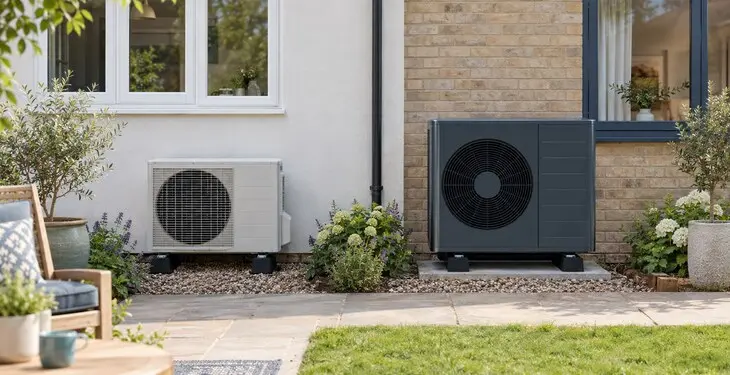
The condenser unit is usually placed outside the home because it needs to release heat into open air. Common locations include:
Ground placement - Often near the house.
Mounted on a wall - For saving space.
On a roof or balcony - If space is limited on the ground.
Wherever it is located, the condenser unit should have enough clearance around it to allow proper airflow. It also needs to be protected from debris, dirt, and environmental damage to ensure it runs smoothly.
Why is the condenser unit essential?
Without the condenser unit, an air conditioning system wouldn’t function properly. Here’s why:
Heat removal - The condenser unit allows the system to rid itself of the heat collected indoors. Without it, cooling would not be possible.
Efficiency - Proper heat removal is essential to maintain the system’s efficiency. If the condenser unit is blocked or not functioning well, the system will work harder, leading to higher energy use and potential system damage.
Maintaining a healthy condenser unit is key to keeping your home cool and your system running smoothly.
Does a condenser unit also work for heating?
Yes, in heat pump systems, the condenser unit works in reverse during the winter months. Instead of releasing heat, the system draws in heat from outside and transfers it indoors.
This makes the condenser unit a vital part of both cooling and heating systems. In colder months, the same condenser unit that helped release indoor heat during summer will collect outdoor heat and bring it inside for heating.
Common condenser unit problems
Like any piece of equipment, condenser units can face issues. Here are a few common problems:
Blocked airflow
Debris, leaves, or dirt can block airflow around the unit, reducing its ability to expel heat. This can cause the system to overheat and work less efficiently.
Dirty condenser coils
If the condenser coils get too dirty, the heat transfer process is slowed down. This means the unit can’t release heat effectively, causing the system to overheat and reduce cooling performance.
Fan issues
If the fan stops working or becomes damaged, the condenser will struggle to release heat, which can make your system run less efficiently.
Refrigerant problems
If there’s a refrigerant leak or it becomes too low, the system won’t be able to circulate properly, causing reduced cooling capacity or the system to stop working altogether.
Electrical issues
The electrical components controlling the compressor or fan may fail, preventing the unit from working properly.
If your system starts experiencing any of these problems, it’s essential to call a professional for repair.
How to keep the condenser unit working properly
The good news is, maintaining the condenser unit doesn’t have to be complicated. Here are some simple ways to ensure it runs efficiently:
Keep the area clear - Ensure that no debris or plants block the airflow around the unit.
Clean the coils - Periodically clean the condenser coils to prevent dirt build-up.
Check the fan - Make sure the fan is working and not obstructed.
Schedule regular maintenance - A professional technician can check the system annually to ensure everything is working correctly.
These small tasks can help avoid bigger issues down the line and extend the life of your system.
Why condenser unit size and placement matter
The size of the condenser unit should match the cooling needs of your home.
If it’s too small, it won’t be able to remove enough heat. If it’s too large, it might lead to inefficiency and unnecessary energy use.
The placement of the unit is also important. It should be:
away from sources of debris
placed in an area with plenty of airflow
shielded from extreme weather where possible
Properly sizing and positioning the condenser unit helps ensure your air conditioning system runs smoothly and efficiently.
Choosing the right air conditioning system
The condenser unit is just one piece of the puzzle. When choosing an air conditioning system, make sure it fits your home and usage:
System size - Make sure the system is properly sized for your home’s cooling needs.
Energy efficiency - Look for systems that are designed to be energy efficient, which will help save on electricity bills.
System integration - Consider how the indoor unit and condenser unit work together for optimal performance.
Understanding how the air conditioning condenser unit works will help you make an informed choice and keep your system in top condition.
Understanding your air conditioning system
The condenser unit is a crucial component of any air conditioning or heat pump system. It works by releasing heat from your home and helping maintain efficiency.
Whether you’re cooling your home in summer or heating it in winter, the condenser unit plays a vital role in keeping your system running smoothly.
By keeping the condenser unit clean and well-maintained, you ensure that your system can perform effectively for years to come. If you ever notice issues, don’t hesitate to call a professional for help.
Proper care and understanding of the air conditioning condenser unit will lead to better performance, fewer repairs, and a more comfortable home.
Last updated: