


Why Is My Air Conditioner Making Noise?

Written by Stephen Day
Gas Safe Engineer
Updated:
Air conditioners naturally make some noise while running, but unusual sounds such as rattling, buzzing, banging, or vibrating can sometimes point to airflow problems, loose components, or maintenance issues developing over time.
- Is it normal for air conditioners to make noise?
- What different air conditioning noises can mean
- Why does the air conditioner sound louder at night?
- Could dirty filters cause noise?
- Why is the AC making a rattling noise?
- Is buzzing normal?
- Why does the unit click when turning on or off?
- Why does the bedroom unit vibrate?
- Why is the outdoor unit noisy?
- Can airflow restrictions cause noise?
- Why do noises sometimes appear after winter?
- Can heatwaves make air conditioning noisier?
- What can homeowners safely check themselves?
- When should you call an engineer?
- Common misconceptions about air conditioning noise
- What homeowners often notice after servicing
- Why unusual AC noise is often easier to fix than homeowners expect
Key takeaways
- Some air conditioning noise is completely normal.
- Rattling, buzzing, or vibrating often relates to airflow or loose components.
- Sudden loud or worsening noises may need professional inspection.
Many homeowners only begin noticing air conditioning noise during warmer nights when the system runs continuously for longer periods and the rest of the house becomes quieter.
Sounds that barely stand out during the day can suddenly feel much louder overnight in bedrooms or smaller enclosed rooms.
Not every noise means the air conditioner is seriously damaged, but changes in sound can sometimes be an early sign that the system needs cleaning, servicing, or inspection.
This guide explains the most common air conditioning noises, what they often mean, what homeowners can safely check themselves, and when professional attention may be worthwhile.
Is it normal for air conditioners to make noise?
Yes.
Even modern air conditioning systems make some level of operational noise while running.
Gentle airflow, soft humming, and occasional clicking are all normal parts of how many residential air conditioning systems operate.
In many homes, these sounds become more noticeable overnight simply because:
Bedrooms are quieter
Background household noise reduces
Airflow becomes easier to hear
Repetitive sounds feel more noticeable while trying to sleep
Some homeowners only start focusing on air conditioning noise after recently installing a system or using cooling more heavily during warmer weather.
In practice, completely silent air conditioning is unrealistic, even with quieter modern systems.
Expert Insight:
Most residential air conditioning systems produce low-level operational noise during normal use. However, sudden changes in sound, worsening vibration, or unusually loud mechanical noises can sometimes indicate airflow restrictions, loose components, or maintenance issues developing gradually over time.
What different air conditioning noises can mean
Different noises can sometimes point to different underlying causes.
Noise | Possible Cause |
Rattling | Loose panels or components |
Buzzing | Electrical or airflow issues |
Clicking | Startup/shutdown sounds or controls |
Humming | Normal operation or fan activity |
Banging | Loose internal parts |
Whistling | Restricted airflow or blocked filters |
Vibrating | Loose fittings or uneven mounting |
Dripping | Condensation drainage |
In many homes, homeowners first notice these changes gradually rather than all at once.
Why does the air conditioner sound louder at night?
This is very common.
Air conditioning noise often feels more noticeable overnight because the rest of the house becomes quieter while the system continues running consistently in the background.
Sounds that seem minor during the day can feel surprisingly noticeable once bedrooms are quiet and airflow becomes easier to focus on.
Some homeowners also notice systems running more continuously overnight during warmer weather as bedrooms retain heat and humidity for longer periods.
In practice, many nighttime noise concerns relate more to quiet-room awareness than serious mechanical faults.
Could dirty filters cause noise?
Yes, sometimes.
Dirty filters can restrict airflow, which may change the way air moves through the system and make operational sounds more noticeable.
As filters gradually collect:
Dust
Pollen
Pet hair
Airborne debris
homeowners may begin noticing:
Louder airflow
Sharper fan noise
Whistling sounds
More noticeable air movement
Some homeowners notice airflow sounding slightly more strained before realising filters are simply overdue for cleaning.
Because filter build-up happens gradually, many homeowners adapt to changing airflow sounds without immediately noticing maintenance is overdue.
In some homes, cleaning filters noticeably reduces noise while also improving airflow and overall room comfort.
Why is the AC making a rattling noise?
Rattling noises are often linked to loose components or vibration somewhere within the system.
This may involve:
Loose panels
Mounting brackets
Covers or fittings
Debris near the outdoor unit
In many homes, rattling becomes more noticeable during:
Higher fan speeds
Stronger cooling demand
Heatwaves
Longer operating cycles
Some homeowners notice occasional light rattling only during startup or shutdown, while persistent rattling may suggest something needs inspecting more closely.
Many noise issues develop gradually as airflow changes or components loosen slightly over time.
Is buzzing normal?
A low electrical hum is often normal during operation.
However, louder buzzing noises can sometimes indicate:
Airflow restrictions
Fan-related problems
Outdoor unit issues
Electrical concerns
Some homeowners notice buzzing becoming more noticeable during hotter weather when systems run continuously for longer periods.
Persistent loud buzzing that worsens over time is usually worth checking professionally, particularly if cooling performance also begins declining.
Why does the unit click when turning on or off?
Clicking is often completely normal.
Many systems make soft clicking sounds when:
Starting
Stopping
Switching modes
Activating internal controls
Some homeowners only begin noticing these sounds once bedrooms become quieter overnight.
However, repeated loud clicking or constant clicking without normal operation may occasionally point to:
Sensor issues
Control problems
Electrical faults
Why does the bedroom unit vibrate?
Vibration is often caused by airflow movement or mounting pressure while the fan operates.
Some vibration can happen naturally, particularly at higher fan speeds.
However, stronger vibration may sometimes suggest:
Loose fittings
Uneven mounting
Airflow imbalance
Internal movement
Even small vibrations can feel surprisingly noticeable in bedrooms once the rest of the house becomes quiet overnight.
Many homeowners become much more aware of subtle movement or humming during warmer nights when the system runs continuously beside sleeping areas.
Why is the outdoor unit noisy?
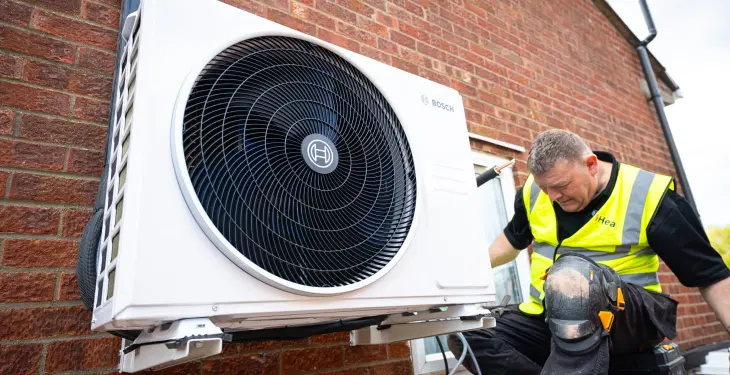
Outdoor units naturally produce:
Fan noise
Compressor sounds
Air movement
During hotter weather, outdoor units often run harder and for longer periods, which naturally makes operational sounds more noticeable.
Some homeowners only realise how frequently the outdoor unit operates during prolonged warm evenings or heatwaves.
However, unusually loud outdoor noises such as:
Harsh buzzing
Grinding
Metal rattling
Banging
may indicate maintenance or mechanical concerns worth investigating professionally.
Can airflow restrictions cause noise?
Yes.
Restricted airflow can change the overall sound of the system during operation.
This may happen because of:
Dirty filters
Blocked vents
Dust build-up
Restricted airflow pathways
Some homeowners notice airflow beginning to sound sharper, louder, or more strained before realising cooling performance itself has gradually reduced.
Because systems often continue operating normally, homeowners sometimes adapt to changing noise levels without immediately recognising maintenance issues developing in the background.
Why do noises sometimes appear after winter?
Some homeowners notice unusual sounds when first using cooling again after colder months.
This can happen because:
Dust has settled inside the system
Airflow has been inactive for long periods
Components are working heavily again after inactivity
In practice, the first warmer days of the year are often when homeowners become more aware of gradual maintenance issues that developed quietly over time.
Can heatwaves make air conditioning noisier?
Yes, sometimes.
During heatwaves, systems often run continuously for much longer than usual, which naturally makes operational sounds more noticeable.
Loft rooms, south-facing bedrooms, and poorly ventilated spaces often place the greatest demand on cooling systems during prolonged hot weather.
This can make:
Airflow more noticeable
Fans run harder
Outdoor units operate more frequently
Overall system noise feel more constant
This does not automatically mean the system itself is faulty.
What can homeowners safely check themselves?
Homeowners can often safely check:
Filter cleanliness
Visible obstructions
Airflow around vents
Outdoor unit surroundings
Loose accessible covers where appropriate
Many minor noise issues improve after:
Cleaning filters
Removing debris
Improving airflow
Reducing airflow restrictions
However, internal electrical components and deeper mechanical servicing should usually be left to qualified professionals.
When should you call an engineer?
Professional inspection may be worthwhile if:
Noise suddenly becomes much louder
Grinding or banging develops
Buzzing becomes persistent
Cooling performance worsens
Strong vibration appears
Electrical smells occur
Persistent or worsening noises are often easier to resolve early before they begin affecting long-term system performance more seriously.
Common misconceptions about air conditioning noise
Several misunderstandings still exist around air conditioning sounds.
“Any noise means the system is broken”
Some operational noise is completely normal.
“Modern AC should be silent”
Even quieter systems still produce airflow and fan sounds during operation.
“Buzzing always means an electrical fault”
Buzzing can sometimes relate to airflow or fan operation instead.
“Noise problems appear suddenly”
Many noise changes develop gradually as airflow restrictions or maintenance issues build over time.
What homeowners often notice after servicing
Many homeowners initially focus mainly on noise before servicing.
After maintenance or cleaning, they often notice:
Quieter airflow
Reduced vibration
Smoother operation
Less noticeable nighttime noise
More consistent cooling
For many households, the biggest improvement is simply that the system feels calmer and less distracting during everyday use.
Why unusual AC noise is often easier to fix than homeowners expect
For many UK homeowners, unusual air conditioning noise is often linked to airflow restrictions, dirty filters, vibration, or gradual maintenance issues rather than complete system failure.
Because these changes usually develop slowly over time, homeowners may only become aware of them once bedrooms become quieter overnight or the system begins running more heavily during warmer weather.
In practice, regular filter cleaning, sensible servicing, and realistic expectations around normal operating sounds often help prevent many common noise concerns before they become more serious.
If you’re considering home air conditioning, iHeat can help homeowners explore modern systems designed for efficient cooling, quieter operation, and straightforward long-term maintenance.
Last updated:
Written by Stephen Day
Gas Safe Engineer at iHeat
Stephen Day is a Gas Safe registered and FGAS certified engineer with over 20 years of hands-on experience in the heating, cooling, and renewable energy industry, specialising in boiler installations, air conditioning, and heat pump systems.
LinkedInArticles by Stephen Day are reviewed by iHeat’s technical team to ensure accuracy and reliability.
More air conditioning help & advice
02nd October, 2026
Air Conditioning Maintenance:...
A practical guide to looking after home air conditioning, from cleaning washable filters t...
 Read Article
02nd October, 2026
How much does air conditioning...
Find out how much air conditioning costs to install and run in a UK home, including VAT re...
Read Article
01st October, 2026
Best wall mounted air conditio...
Compare wall mounted air conditioners for quiet bedrooms, everyday comfort and lower upfro...
Read Article