Air-Conditioning Warranties Explained: What Is and Isn’t Covered?

Written by Stephen Day
Gas Safe Engineer
Updated:
7 min read
Air conditioning warranties can provide valuable protection against manufacturing defects, but what's covered depends on the manufacturer, installer, warranty terms and whether the system has been installed and maintained in line with the conditions.
In this article
Key takeaways
- Most warranties cover manufacturing defects, not accidental damage or wear and tear.
- Manufacturer and installer warranties protect different parts of your installation.
- Registering your warranty and meeting servicing requirements helps keep it valid.
Choosing a new air conditioning system is a long-term investment, so understanding the warranty is just as important as comparing efficiency, features or installation costs.
While many manufacturers offer warranties lasting several years, the level of cover can vary significantly depending on the product, who installs it and whether the warranty conditions are met.
At iHeat, one of the most common questions we receive from homeowners is what an air conditioning warranty actually covers. Many assume every repair is included for the full warranty period, but that's not always the case. Manufacturer warranties, installer workmanship guarantees and optional extended cover all protect different aspects of the installation.
Understanding these differences before your system is installed can help you avoid unexpected costs and ensure you're able to benefit from the protection available if a fault develops in the future.
What is an air conditioning warranty?
An air conditioning warranty is an agreement that protects certain parts of your installation for a specified period after it's fitted.
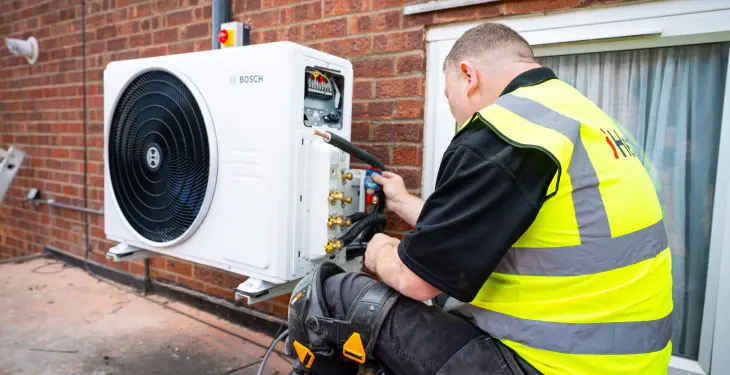
In most cases, homeowners receive two separate forms of protection. The first is the manufacturer's warranty, which covers defects in the air conditioning unit itself. The second is the installer's workmanship guarantee, which covers issues relating to the quality of the installation.
Although these warranties work together, they don't cover the same things. Understanding the difference can help you know who to contact if a problem develops.
Manufacturer warranty vs installer warranty
One of the biggest misconceptions is that there's a single warranty covering the entire installation.
In reality, responsibility is usually divided between the manufacturer and the installer.
Manufacturer warranty
A manufacturer's warranty generally covers faults caused by defects in materials or manufacturing.
Depending on the manufacturer and product, this may include components such as:
Compressors
Indoor units
Outdoor units
Electronic control boards
Factory-fitted parts
Many leading manufacturers, including brands supplied by iHeat such as Daikin, Mitsubishi Electric and Panasonic, offer multi-year warranties on residential systems. However, warranty periods, registration requirements and servicing conditions vary, so homeowners should always check the manufacturer's documentation for the specific product installed.
Installer workmanship guarantee
An installer warranty is different.
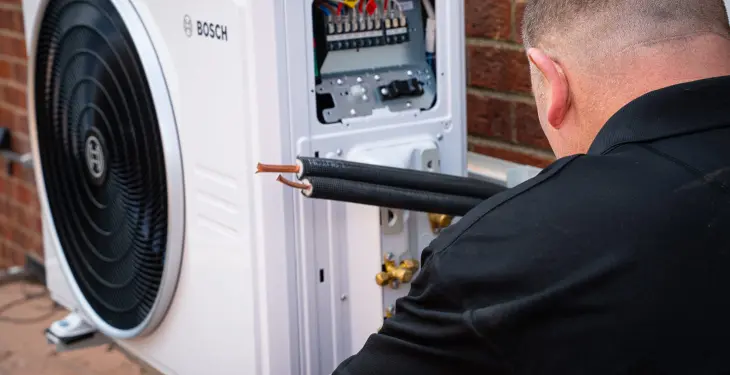
Rather than covering the equipment itself, it relates to the quality of the installation. For example, it may cover problems caused by installation errors, pipework connections or commissioning issues that become apparent after the system has been fitted.
If the air conditioning unit develops a manufacturing fault, this would normally fall under the manufacturer's warranty. If the issue results from how the system was installed, the installer would usually investigate under their workmanship guarantee.
What is usually covered?
Although every manufacturer has its own warranty terms, most residential air conditioning warranties are designed to protect against manufacturing defects that occur during normal use.
Typical examples may include:
Faulty compressors
Defective electrical components
Manufacturing defects affecting indoor or outdoor units
Factory-fitted parts that fail prematurely
If an eligible fault occurs during the warranty period, the manufacturer will normally determine whether the repair or replacement is covered under the warranty terms.
Exactly what's included varies between manufacturers, which is why it's important to read the warranty documentation supplied with your system rather than assuming every component receives the same level of cover.
What isn't usually covered?
Just as important as knowing what's included is understanding what isn't.
Most air conditioning warranties exclude issues caused by factors outside the manufacturer's control.
Common exclusions often include:
Accidental damage
Misuse or neglect
Poor maintenance
Unauthorised repairs or modifications
Damage caused by external events
Cosmetic wear
General wear and tear over time
Warranty claims may also be declined if the system hasn't been installed or maintained in accordance with the manufacturer's requirements.
Because exclusions vary, homeowners should always check the specific warranty terms for their air conditioning system.
Do you need to register your warranty?
Some manufacturers automatically activate warranty cover once the system has been installed by an approved installer.
Others require homeowners or installers to complete warranty registration within a specified period after installation.
If registration is required but not completed, the warranty period may be reduced or certain benefits may not apply.
For this reason, it's worth confirming exactly what is required once your installation has been completed and keeping any registration confirmation alongside your installation paperwork.
Why servicing can affect your warranty
Many manufacturers require air conditioning systems to be serviced at recommended intervals for the warranty to remain valid.
This isn't simply about keeping the system clean. Regular servicing helps identify developing faults, maintain efficient performance and confirm the system is operating as intended.
Exactly what's required depends on the manufacturer, so homeowners should always check the warranty conditions supplied with their system. Missing scheduled servicing could affect your ability to make a successful warranty claim if a fault develops later.
How to make an air conditioning warranty claim
If you think your air conditioning system has developed a fault covered by its warranty, the first step is to contact the installer or manufacturer, depending on the nature of the issue.
Before making a claim, it's helpful to have:
Your proof of purchase
Installation paperwork
Warranty registration details, where applicable
Service records, if required under the warranty terms
The manufacturer or installer will normally investigate the fault before confirming whether it's covered under the warranty conditions.
If replacement parts are required, repair times may vary depending on component availability and the manufacturer's claims process.
Can an air conditioning warranty be transferred?
Whether a warranty can be transferred to a new homeowner depends on the manufacturer and the specific warranty terms.
Some manufacturers allow warranties to transfer when a property is sold, while others only provide cover for the original purchaser. There may also be conditions, such as notifying the manufacturer within a specified timeframe or providing evidence of regular servicing.
If you're buying or selling a property with an existing air conditioning system, it's worth checking the warranty documentation to understand whether any remaining cover can be transferred.
How to protect your warranty
Looking after your warranty starts long before you need to make a claim.
To help protect your cover, it's generally recommended to:
Use a suitably qualified installer.
Register the warranty if required.
Follow the manufacturer's servicing requirements.
Keep installation and servicing records.
Avoid unauthorised repairs or modifications.
Taking these simple steps can help ensure you're able to benefit from the warranty if an eligible fault develops during the cover period.
Do extended warranties offer better protection?
Some manufacturers and installers offer extended warranties that provide cover beyond the standard warranty period.
These can offer additional peace of mind, particularly for homeowners planning to keep their air conditioning system for many years. However, extended warranties often come with their own terms and conditions, including servicing requirements and exclusions.
Before purchasing extended cover, it's worth considering:
How long the standard warranty lasts.
What additional protection is included.
Whether servicing requirements differ.
Any exclusions or claim limits.
Comparing these details can help you decide whether extended warranty cover represents good value for your circumstances.
Should warranty length influence your decision?
A longer warranty can provide reassurance, but it shouldn't be the only factor when choosing an air conditioning system.
Installation quality, manufacturer reputation, energy efficiency and ongoing support all play an important role in the long-term reliability of the system. In many cases, a professionally installed system backed by a comprehensive manufacturer's warranty and a reputable installer's workmanship guarantee provides greater peace of mind than focusing on warranty length alone.
When comparing products, it's also worth looking beyond the number of years offered and considering exactly what's covered, what conditions apply and how warranty claims are handled.
Choosing an installer who supports your warranty
An air conditioning warranty provides valuable protection, but it's only one part of ensuring your system performs reliably over the long term.
At iHeat, we believe homeowners should understand exactly what protection they're receiving before installation begins. That's why we explain the difference between manufacturer warranties and workmanship guarantees, discuss any registration or servicing requirements and answer questions about ongoing warranty cover before recommending a system.
Because warranty terms vary between manufacturers and products, this guide is intended as general information only. Homeowners should always refer to the warranty documentation supplied with their specific air conditioning system for the most accurate and up-to-date terms and conditions.
Need a new boiler?
Get a quote in 60 seconds, fitted as fast as next day!
0% APR finance available.
Last updated: