Can You Move an Existing Air-Conditioning Unit?


Written by Bethany Armstrong
Renewables Manager
Updated:
7 min read
An existing air-conditioning unit can often be moved, but whether it's practical depends on the system, the new location and the condition of the existing installation. A qualified installer should always assess the system before any relocation work begins.
In this article
Key takeaways
- Many air-conditioning units can be moved, subject to a professional assessment.
- Pipework and electrical connections determine whether relocation is practical.
- Replacing an older system may offer better long-term value.
Homeowners choose to relocate air-conditioning units for many reasons.
You might be renovating your home, building an extension, converting a loft or simply changing how a room is used.
In some cases, moving an existing system is a practical and cost-effective solution. In others, replacing part or all of the installation may offer better long-term value.
At iHeat, one of the first things we'd assess isn't whether the unit can physically be moved. Instead, we look at the entire installation, including the pipework, electrical connections, refrigerant lines, available mounting positions and the overall condition of the system. Moving an air-conditioning unit involves much more than simply relocating it from one wall to another.
Understanding what's involved before work begins can help homeowners make an informed decision and avoid unnecessary costs.
Can an existing air-conditioning unit be moved?
Yes, many existing air-conditioning systems can be relocated.
However, whether moving the unit is the right option depends on several factors, including the type of system, its age, the proposed new location and the condition of the existing installation.
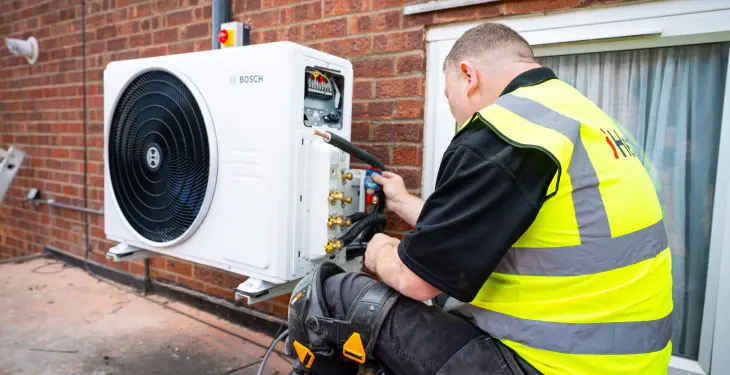
From our experience, homeowners often assume relocation is a straightforward job. In reality, moving an air-conditioning system usually involves disconnecting refrigerant pipework, electrical connections and drainage before reinstalling, pressure testing and recommissioning the system in its new position.
Because of this, every relocation should begin with a professional assessment rather than assuming the existing system can simply be moved.
Why homeowners choose to relocate an air-conditioning unit
There are several reasons why an existing system may no longer be in the ideal position.
Common examples include:
Home extensions
Loft conversions
Internal renovations
Room layout changes
New furniture or storage
Landscaping or external building work
Sometimes the air-conditioning system itself is working perfectly, but changes to the property mean relocating the indoor or outdoor unit provides a more practical long-term solution.
Rather than replacing the entire system, moving the existing installation may allow homeowners to continue using equipment that's still performing efficiently.
Can both the indoor and outdoor units be moved?
In many cases, yes.
Depending on the property and the existing installation, it may be possible to relocate:
The indoor unit
The outdoor condenser
Both units together
Each option presents different technical considerations.
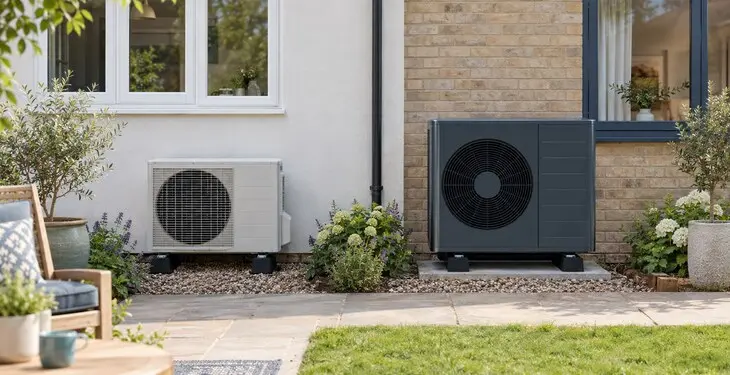
For example, moving an indoor unit usually affects refrigerant pipework, condensate drainage and electrical connections. Relocating the outdoor unit may require new mounting arrangements, revised pipe routes and careful consideration of airflow around the condenser.
From our experience, relocating both units at the same time generally requires more planning than moving either component individually.
What do installers assess before relocating a system?
Before recommending relocation, installers will normally carry out a detailed assessment of the existing installation.
Rather than focusing solely on the proposed new location, they evaluate whether moving the system is technically practical and financially worthwhile.
Typical considerations include:
The age of the system
Overall condition
Existing refrigerant pipework
Electrical connections
Drainage arrangements
Available mounting locations
Manufacturer requirements
Access for installation
Looking at these factors together helps determine whether relocation is the best option or whether replacing part or all of the system would provide better long-term value.
Pipework and refrigerant considerations
One of the biggest factors affecting whether an air-conditioning unit can be moved is the existing refrigerant pipework.
Every split air-conditioning system relies on correctly sized refrigerant pipes connecting the indoor and outdoor units. Changing their length or routing isn't simply a case of extending the existing installation.
Depending on the new location, installers may need to replace sections of pipework, adjust insulation, pressure test the system and safely recover and recharge the refrigerant before recommissioning the unit.
From our experience, pipework requirements are often one of the main reasons relocation costs vary significantly between properties.
Does moving an air-conditioning unit affect its warranty?
It can.
Some manufacturers require any work involving refrigerant circuits or system modifications to be carried out by a suitably qualified installer for the warranty to remain valid.
If an air-conditioning unit is moved incorrectly or modified without following the manufacturer's requirements, this could affect any remaining warranty cover.
Before relocating an existing system, it's worth checking both the manufacturer's warranty conditions and any installer workmanship guarantee that may still apply.
How much does it cost to move an air-conditioning unit?
The cost of relocating an air-conditioning unit depends on the complexity of the work rather than simply how far the unit is being moved.
Factors that commonly influence the price include:
Whether the indoor or outdoor unit is being moved
New refrigerant pipework requirements
Electrical alterations
Condensate drain modifications
Access to the installation area
Whether refrigerant needs recovering and recharging
Simple relocations over a short distance generally cost less than moving a system to a different floor or extending pipework significantly.
Because every installation is different, the most accurate way to understand the likely cost is through a professional survey and quotation.
When is it better to replace rather than relocate?
Relocating an existing system isn't always the most cost-effective option.
If the air-conditioning unit is approaching the end of its expected lifespan or major modifications are required, replacing the system may provide better long-term value.
From our experience, replacement is often worth considering when:
The system is older and less efficient.
Replacement parts are becoming difficult to source.
Significant pipework changes are required.
The relocation cost approaches the cost of a new installation.
You're planning wider home improvements that affect the heating and cooling requirements.
Comparing the cost of relocation against the benefits of a newer, more efficient system can help homeowners make a more informed decision.
Can you move an air-conditioning unit yourself?
No.
Moving an existing air-conditioning unit isn't a DIY job.
Split air-conditioning systems contain refrigerant and require specialist equipment to safely recover, handle and recharge the system. Disconnecting refrigerant pipework without the appropriate qualifications can damage the equipment and may invalidate the manufacturer's warranty.
Professional installers also pressure test, vacuum test and recommission the system after relocation to ensure it operates safely and efficiently.
For these reasons, relocating an air-conditioning unit should always be carried out by a suitably qualified professional.
How long does it take to relocate an air-conditioning unit?
The time required depends on how complex the relocation is.
Moving an indoor unit a short distance within the same room is generally quicker than relocating both the indoor and outdoor units or installing entirely new pipework.
The overall timescale may also be affected by:
Property access
Pipework alterations
Electrical work
Wall repairs following removal
System testing and recommissioning
A professional survey provides the best indication of how long the work is likely to take for your particular installation.
How to decide whether relocation is the right choice
Relocating an air-conditioning unit can be an excellent solution when you're renovating your home or changing how you use a room. However, every installation should be assessed individually before deciding whether moving the existing system is the best option.
At iHeat, we assess the condition of the existing equipment, refrigerant pipework, electrical connections, available mounting locations and the practicality of the proposed new position before making a recommendation. In some cases, relocation offers the most cost-effective solution. In others, replacing part or all of the system may provide better long-term performance and value.
By taking a whole-system approach rather than looking at the unit in isolation, homeowners can make an informed decision that's based on the condition of the installation and their long-term plans for the property.
Need a new boiler?
Get a quote in 60 seconds, fitted as fast as next day!
0% APR finance available.
Last updated: