How Noisy Are Air Conditioners? Quietest Models in the UK (2026)


Written by Stephen Day
Gas Safe Engineer
Updated:
8 min read
Most modern air conditioners are much quieter than many homeowners expect, with some of the quietest models operating at noise levels as low as 19 decibels indoors.
In this article
Key takeaways
- Modern air conditioners are quieter than older systems.
- Premium models can run below 20dB indoors.
- Installation quality affects overall noise levels.
One of the biggest concerns people have before installing air conditioning is noise, especially in bedrooms or smaller UK homes where the indoor unit may sit relatively close to where people sleep or work.
Older systems often had a reputation for being loud, but modern inverter air conditioners are designed to run far more smoothly and quietly once they reach temperature.
That said, not every system sounds the same in real-world conditions. Noise levels can vary depending on installation quality, room size, fan settings, and even where the outdoor unit is mounted.
Understanding what actually creates air conditioning noise can help homeowners choose the perfect option for their home from a range of quiet home air conditioning systems.
How noisy are air conditioners?
Air conditioner noise is measured in decibels (dB). The lower the decibel rating, the quieter the system.
Most modern wall-mounted split air conditioners operate between 19dB and 45dB indoors, depending on the fan speed and operating mode.
In practice, many homeowners find the indoor unit fades into the background once the room reaches temperature and the system slows itself down.
To put that into perspective:
Noise Level | Comparable Sound |
20dB | Rustling leaves |
30dB | Whisper |
40dB | Quiet library |
60dB | Normal conversation |
Manufacturer noise ratings are usually measured under controlled conditions at lower fan speeds, so real-world sound levels can vary slightly depending on room layout, insulation, and airflow demand.
What actually makes an air conditioner noisy?
Many homeowners expect the fan itself to be the main source of noise, but several different parts of the system can contribute to what you hear.
Airflow noise
In smaller bedrooms or offices, airflow can sometimes become more noticeable than the fan motor itself, particularly if the unit is mounted close to the bed or seating area.
This is one reason why quieter overnight settings matter. Most premium systems reduce airflow automatically once the target temperature is reached.
Compressor activity
In split systems, the compressor sits inside the outdoor unit rather than indoors. This is why fixed wall-mounted air conditioners are usually much quieter inside the home than portable units.
During hotter weather, the compressor may run harder for longer periods, making the outdoor unit more noticeable outside.
Vibrations and installation issues
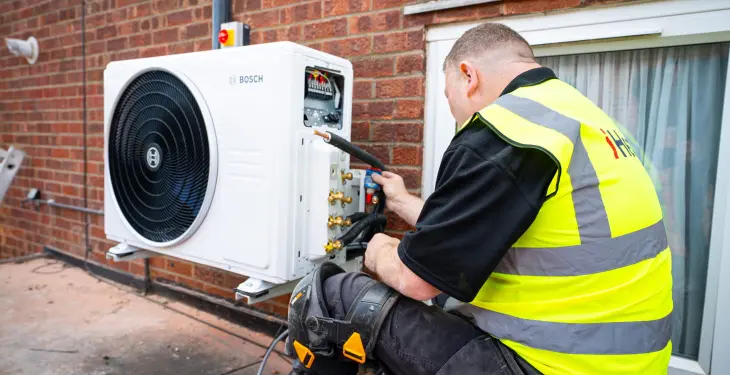
Even a quieter system can become noticeably louder if the installation is poor.
Loose brackets, unsecured pipework, or poorly mounted outdoor units can create vibration noise through walls and external brickwork. In some cases, homeowners assume the air conditioner itself is faulty when the issue is actually related to installation quality.
Expert Insight:
A properly installed system should sound smooth and consistent rather than rattling or vibrating. Installers will usually pay close attention to wall mounting, pipe routing, and outdoor unit positioning to reduce long-term noise issues.
Are air conditioners noisy at night?
Most modern split air conditioners are designed to run quietly enough for overnight use.
Many premium systems now include sleep or quiet modes that gradually reduce fan speed once the room cools down. In real-world use, most homeowners describe modern systems as background white noise rather than disruptive sound.
However, noise sensitivity varies from person to person.
Very light sleepers may still notice low airflow noise on higher fan settings, especially in smaller bedrooms where the indoor unit is mounted nearby. This is why bedroom installations often benefit from lower-noise premium models rather than entry-level systems.
Portable air conditioners are usually far more noticeable at night because the compressor sits inside the room itself.
Quietest air conditioner models in the UK (2026)
Some air conditioning systems are specifically designed to prioritise low-noise operation without compromising cooling performance.
Below are some of the quieter models commonly available in the UK residential market.
Model | Indoor Noise Level | Best For |
Daikin Emura | From 19dB | Bedrooms and living spaces |
Mitsubishi Electric LN Series | From 19dB | Quiet premium cooling |
Worcester Bosch Climate 7000i | From 21dB | Modern family homes |
Daikin Sensira | From 21dB | Everyday home cooling |
Panasonic Etherea | From 19dB | Bedrooms and home offices |
Fujitsu KG Series | From 20dB | Energy-efficient cooling |
Actual operating noise will vary depending on fan speed, room size, and cooling demand.
Daikin Emura
The Daikin Emura is often chosen for bedrooms and living areas because of its low indoor operating noise and smooth airflow control.
At lower fan settings, the system can operate from around 19dB indoors. In practice, many homeowners find the airflow itself becomes less noticeable once the room stabilises at temperature.
Its curved design also helps distribute air more evenly, which can reduce the harsher airflow feeling some older systems create overnight.
Mitsubishi Electric LN Series
The Mitsubishi Electric LN Series is another popular premium option for quieter residential cooling.
Its low-speed operation and overnight settings make it well suited to bedrooms, home offices, and media rooms where background noise is more noticeable.
Homeowners looking for quieter operation often choose systems like this because they avoid the harsher stop-start cycling commonly associated with older non-inverter air conditioners.
Worcester Bosch Climate 7000i
The Worcester Bosch Climate 7000i balances quieter operation with strong energy efficiency.
Indoor sound levels start from around 21dB depending on operating mode, which is low enough for most living spaces without becoming distracting.
Like many modern inverter systems, it becomes quieter once the room reaches the desired temperature and the compressor output reduces automatically.
Are portable air conditioners louder?
Yes, usually significantly louder.
Portable air conditioners contain both the compressor and cooling components inside the room itself, which is why they tend to produce more noticeable mechanical noise.
Most portable units operate between 50dB and 65dB. That’s often comparable to background office noise or a normal conversation.
Many homeowners who switch from portable units to fixed split systems are surprised by how much quieter the room feels afterwards, particularly at night.
Portable units can still work well for temporary cooling, but they are rarely the quietest option for bedrooms or long-term daily use.
Does the outdoor unit make much noise?
Outdoor units do produce sound, but modern systems are far quieter than many people expect.
Most outdoor condensers operate between 40dB and 60dB depending on outdoor temperature and system demand. During mild weather, many systems run at lower speeds and become less noticeable.
Positioning matters though.
Outdoor units mounted close to bedroom windows, patios, fences, or enclosed alleyways may sound louder because noise can reflect back toward the property.
This is why installers will often consider:
Wall type
Mounting position
Distance from neighbours
Airflow clearance
Vibration control
Correct positioning can make a significant difference to perceived noise levels.
Can neighbours complain about air conditioner noise?
In some situations, yes, although this is less common with modern residential systems.
Noise complaints are usually linked to poor placement, vibration issues, or oversized systems working harder than necessary.
For example, a condenser mounted directly outside a neighbouring bedroom window is more likely to cause problems than one positioned with better clearance and airflow.
A properly sized and professionally installed system is far less likely to create ongoing noise concerns.
How to make an air conditioner quieter
There are several practical ways homeowners can reduce noise levels.
Choose the correct system size
Oversized systems can cool rooms too aggressively, which sometimes leads to more noticeable fan cycling and airflow noise.
Correct sizing usually creates smoother and quieter operation.
Use quiet or sleep mode
Most modern systems reduce fan speed automatically overnight.
This often makes a noticeable difference in bedrooms.
Keep filters clean
Blocked filters restrict airflow and can make the fan work harder than necessary.
Many homeowners notice systems becoming noisier simply because filters have not been cleaned regularly.
Schedule routine servicing
Loose fittings, worn components, or mounting issues can gradually increase vibration and noise over time.
Regular servicing helps identify these issues before they become more noticeable.
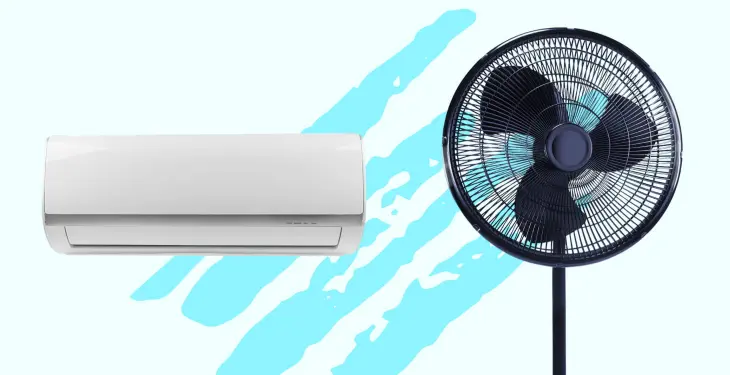
Is air conditioning quieter than a fan?
In many cases, yes.
Modern split air conditioners running on lower settings are often quieter than desk fans or tower fans because they do not need to run at full speed constantly.
Once the room reaches temperature, inverter systems usually slow themselves down automatically. This creates a steadier and less intrusive background sound compared to fans running continuously at high speed.
What to remember about air conditioners and noise:
Modern air conditioners are far quieter than many homeowners expect, particularly compared to older systems or portable units.
Premium split systems from brands like Daikin, Mitsubishi Electric, and Worcester Bosch can operate at very low indoor noise levels, making them suitable for bedrooms, living rooms, and home offices where comfort matters most.
While no air conditioning system is completely silent, correct sizing, professional installation, and choosing the right model can make a major difference to day-to-day noise levels and overall comfort.
If you’re considering air conditioning for your home, iHeat can help you explore quieter, energy-efficient systems that suit your property, room layout, and everyday living spaces.
Last updated: