


How to find a reliable air conditioning installer in the UK
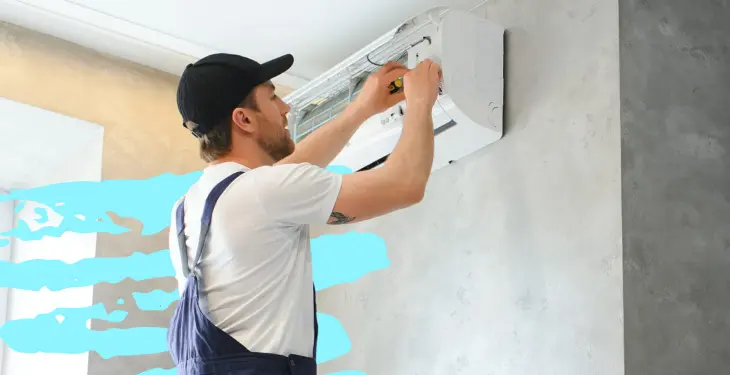

Written by Stephen Day
Gas Safe Engineer
Updated:
A reliable air conditioning installer in the UK should be qualified, well-reviewed, clear on costs, and able to recommend the right system for your home.
- Why installation quality matters
- What does trusted home air conditioning installation look like?
- Why domestic installation experience matters
- Expect a proper home survey
- Make sure the quote is clear
- Read reviews carefully
- Ask about warranties and aftercare
- Watch for warning signs
- Questions worth asking before installation
- Why good installation improves long-term comfort
- Why trusted home air conditioning installation matters long term
Key takeaways
- Check qualifications and certifications.
- Read reviews and check reputation.
- Choose an installer with home experience.
A reliable installer should be properly qualified, experienced in domestic installations, and clear about what is included from the start.
This guide explains what homeowners should look for, what questions to ask, and how to choose trusted home air conditioning installation in the UK.
Why installation quality matters
Air conditioning is becoming increasingly popular in UK homes, not just during heatwaves, but for improving comfort throughout the year.
That can include:
Bedrooms
Loft rooms
Home offices
Open-plan living areas
When comparing options, many homeowners focus mainly on the air conditioning unit itself. In reality, installation quality often has just as much impact on how well the system performs long term.
Poor installation can sometimes lead to:
Weak airflow
Excess noise
Reduced efficiency
Higher running costs
Drainage issues
Uneven cooling
A properly installed system should feel comfortable, balanced, and relatively unobtrusive once running day to day.
Expert Insight:
In residential air conditioning, installation quality often affects long-term comfort just as much as the unit itself. Correct sizing, airflow positioning, drainage, and pipe routing all play a major role in how the system performs once installed.
What does trusted home air conditioning installation look like?
Trusted installation should feel clear and well organised from the beginning.
Homeowners should feel comfortable asking questions about:
Installation
System sizing
Running costs
Placement options
Noise levels
Aftercare
If the process feels rushed, vague, or overly sales-focused early on, that is usually not a great sign.
Reliability also tends to show up in smaller details.
For example:
Are unit locations explained properly?
Do installers discuss airflow and room usage?
Is installation disruption explained realistically?
Is the quote easy to understand?
Are questions answered clearly?
Many homeowners are not looking for technical jargon. They simply want confidence that the system is being planned properly for their home.
Why domestic installation experience matters
Installing air conditioning in homes is very different from working in:
Offices
Retail spaces
Commercial buildings
Residential installations require more attention to:
Bedroom comfort
Appearance
Noise levels
Pipe routing
Airflow direction
Day-to-day usability
A bedroom installation, for example, needs a very different approach from cooling a large commercial unit.
The positioning of the indoor unit can affect:
Overnight comfort
Airflow feel
Perceived noise
Room usability
This becomes particularly important in:
Loft conversions
Small bedrooms
Open-plan homes
Flats
South-facing rooms
Many homeowners only realise after installation how much proper positioning affects long-term comfort.
Expect a proper home survey
Trusted home air conditioning installation should always begin with a proper survey.
Before recommending a system, installers will usually assess:
Room size
Ceiling height
Insulation
Sun exposure
Window positioning
Ventilation
Outdoor unit placement
Electrical access
Many homeowners are surprised by how much planning happens before installation even begins.
Understanding the air conditioning installation process can also help you know what to expect before the engineers arrive at your home.
In practice, engineers often spend more time planning:
Pipe routes
Drainage
Airflow
Outdoor positioning
than physically mounting the indoor unit itself.
This stage matters because system sizing affects:
Comfort
Efficiency
Running costs
Noise levels
If a system is too small, it may struggle during hotter weather. If oversized, it may cool rooms unevenly or cycle inefficiently.
A reliable installer should explain why a particular setup is being recommended rather than simply pushing the most expensive option.
Make sure the quote is clear
Price matters, but clarity matters just as much.
A quotation should clearly explain:
What equipment is included
Installation work involved
Outdoor unit positioning
Pipework or trunking details
Electrical work requirements
Warranty information
If pricing feels vague or incomplete, it becomes much harder to compare installers properly.
Many homeowners find transparency during the quotation stage is one of the biggest trust signals.
Trusted installation should feel straightforward rather than confusing.
Read reviews carefully
Reviews are useful, but it helps to look beyond the headline rating.
The most useful reviews usually mention:
Communication
Punctuality
Tidiness
Professionalism
Problem solving
Aftercare support
If multiple reviews regularly mention:
Delays
Poor communication
Messy workmanship
Difficulty getting support afterwards
that may indicate wider reliability issues.
For many homeowners, reviews help show what the installation experience actually feels like day to day.
Ask about warranties and aftercare
Air conditioning is a long-term purchase, so aftercare matters too.
Homeowners should understand:
Manufacturer warranties
Workmanship guarantees
Servicing recommendations
Maintenance requirements
Support availability after installation
A reliable installer should still be easy to contact once the installation is complete.
Good aftercare often says a lot about how organised the company is overall.
Watch for warning signs
There are a few signs homeowners should be cautious about.
For example:
Recommending systems without a survey
Avoiding questions about qualifications
Unclear pricing
Pressure-selling tactics
Poor communication
Unrealistically low quotes
Most homeowners usually get a feel for this fairly quickly.
If the process already feels disorganised before installation starts, it is unlikely to feel better later on.
Questions worth asking before installation
Many homeowners find it easier to compare installers by asking similar questions.
Some useful examples include:
Do you regularly install air conditioning in homes?
How do you decide what size system is needed?
Will you carry out a proper survey first?
What exactly is included in the quote?
Is the quoted price fixed?
What warranty is included?
Do you offer servicing and aftercare?
How long will installation usually take?
What disruption should I realistically expect?
You do not need highly technical answers. Most homeowners simply want reassurance that the installer understands the property and can explain things clearly.
Why good installation improves long-term comfort
Many homeowners initially focus on cooling performance before installation.
Afterwards, they often realise installation quality affects:
Airflow comfort
Bedroom usability
Noise levels
Energy efficiency
Overall day-to-day comfort
Poor unit positioning can sometimes create:
Uneven cooling
Draught discomfort
Louder airflow
Reduced efficiency
Good installation planning helps avoid these issues from the start.
This is one reason experienced residential installers tend to focus heavily on:
Layout
Airflow direction
Pipe routing
Outdoor positioning
Room usage patterns
rather than simply fitting the equipment as quickly as possible.
Why trusted home air conditioning installation matters long term
For most homeowners, air conditioning is not simply about cooling a room during hot weather. It is about making everyday spaces feel more comfortable and usable throughout the year.
Trusted home air conditioning installation should feel:
Clear
Well explained
Properly planned
Realistic from the beginning
The installation process, system setup, and long-term support all affect how successful the system feels once installed.
iHeat are trusted air conditioning installers, who make upgrading your home stress-free and fast.
Last updated:
Written by Stephen Day
Gas Safe Engineer at iHeat
Stephen Day is a Gas Safe registered and FGAS certified engineer with over 20 years of hands-on experience in the heating, cooling, and renewable energy industry, specialising in boiler installations, air conditioning, and heat pump systems.
LinkedInArticles by Stephen Day are reviewed by iHeat’s technical team to ensure accuracy and reliability.
More air conditioning help & advice
02nd October, 2026
Air Conditioning Maintenance:...
A practical guide to looking after home air conditioning, from cleaning washable filters t...
 Read Article
02nd October, 2026
How much does air conditioning...
Find out how much air conditioning costs to install and run in a UK home, including VAT re...
Read Article
01st October, 2026
Best wall mounted air conditio...
Compare wall mounted air conditioners for quiet bedrooms, everyday comfort and lower upfro...
Read Article