


Why Is My Boiler Still Running When All My Smart TRVs Are Closed?

Written by Stephen Day
Gas Safe Engineer
Updated:
If all your smart TRVs are closed but your boiler is still running, another heating control may be requesting heat or the pump may still be circulating water.
- Do smart TRVs turn the boiler off?
- Why is my boiler running when all the smart TRVs are closed?
- Is the boiler actually firing or is the pump still running?
- What should happen when every smart TRV reaches temperature?
- What should you check if the boiler stays on?
- Should my boiler turn off when all the TRVs are closed?
- Can closed TRVs cause problems for a boiler?
- When does a boiler that keeps running need checking?
Key takeaways
- Closed smart TRVs don't always stop the boiler.
- Another control may still be requesting heat.
- Pump overrun can continue after heating stops.
Smart thermostatic radiator valves (TRVs) give you more control over the temperature of individual rooms. However, closing every smart TRV doesn't necessarily mean your boiler will immediately switch off.
That's because the valves on your radiators and the controls that tell your boiler to produce heat aren't always the same thing.
Depending on how your smart heating system is configured, the main thermostat, receiver, heating zone or smart control system could still be sending a demand for heat. In other situations, the boiler may have stopped firing while its pump continues running temporarily.
Understanding that difference can help you work out whether your heating is behaving normally or whether something needs checking.
Do smart TRVs turn the boiler off?
Not necessarily.
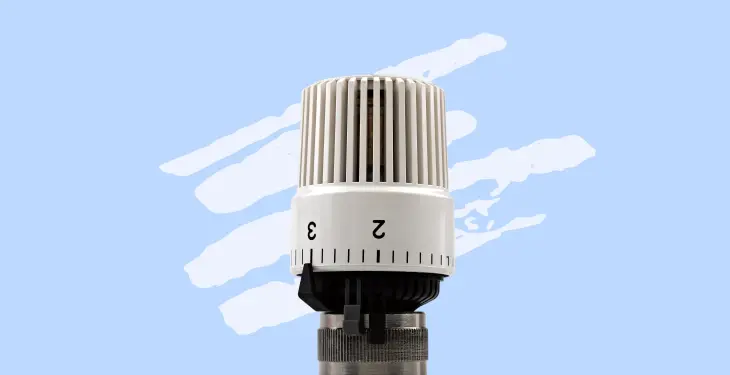
A TRV controls the flow of heated water through an individual radiator. When the room reaches its target temperature, the valve can close or reduce the flow through that radiator.
A smart TRV adds electronic controls and features such as individual room schedules, remote control and integration with compatible smart heating systems.
However, closing a smart TRV doesn't automatically mean that the boiler itself receives an instruction to stop heating.
Whether a smart TRV can influence boiler demand depends on the heating controls installed and how they communicate with each other. In some systems, individual room controls can contribute to the overall heat demand. In others, the main thermostat or another central control remains responsible for telling the boiler when to run.
Why is my boiler running when all the smart TRVs are closed?
There are several possible explanations, and the first thing to establish is whether the boiler is actually firing or whether another component, such as the pump, is still operating.
The main thermostat is still calling for heat
Your main thermostat can continue requesting heat even when the smart TRVs on your radiators appear to be closed.
A thermostat monitors the temperature in its location and compares it with the temperature you've selected. If the measured temperature remains below the target, it may continue sending a demand for heating.
If that thermostat's demand is what controls your boiler, closing individual radiator valves won't necessarily cancel it.
Check the target temperature shown on the main thermostat and whether it indicates that heating is currently being requested.
Your smart heating system still has an active demand
Smart heating systems can use schedules, individual room settings, zones and temporary boosts to decide when heating is required.
If your boiler is still operating, check the app or controller for an active heating request rather than looking only at whether the individual TRVs appear closed.
For example, another heating zone could still be active, a temporary boost may not have ended or a scheduled heating period could still be running.
The exact behaviour depends on the smart heating system and how it has been configured, so check the manufacturer's instructions if you're unsure how individual room demands interact with the boiler.
The receiver or relay is still requesting heat
Many heating control systems use a receiver or relay as part of the connection between the thermostat and boiler.
When heating is required, the controls signal the receiver or relay, which then allows the boiler to respond to the heat demand.
If the smart TRVs have closed but the main heating controls still consider there to be an active demand, the receiver may continue signalling for heat.
Where your receiver has accessible status lights or indicators, you may be able to check whether it still shows an active heating demand. Don't remove covers or attempt to alter electrical wiring yourself.
If the controls show no demand but the boiler continues firing persistently, the control system may need to be professionally checked.
Your heating system still needs a route for water flow
A central heating system needs appropriate circulation when the boiler and pump are operating.
If radiator valves can restrict the flow around the heating circuit, the system may incorporate a bypass arrangement that provides an alternative route for water to circulate when required.
This is one reason you shouldn't assume that closing every radiator valve should immediately stop all activity within the heating system.
Don't adjust a bypass valve or alter the heating system simply because your smart TRVs are closed. The correct arrangement depends on the system design and boiler manufacturer's requirements.
The boiler could be in pump overrun
Sometimes the boiler has stopped producing heat even though it still sounds as though it's running.
Many boilers use pump overrun, where the pump continues circulating water for a short period after the heating demand has ended. This helps move residual heat away from the boiler.
So, if all your smart TRVs have closed and you can still hear the boiler, it doesn't necessarily mean the burner is continuing to fire.
Brief pump operation after the demand for heat ends can be normal. If the pump runs continuously or for much longer than expected, however, the system may need checking.
Is the boiler actually firing or is the pump still running?
This is an important distinction when diagnosing why your boiler appears to stay on.
If the burner is still firing, the boiler is actively producing heat. If only the pump is running, it may simply be circulating water after the burner has stopped.
Without opening or dismantling the boiler, you can check the information shown on its normal display. Depending on the model, this may indicate whether there is an active central-heating demand, whether the burner is operating or whether the boiler is carrying out another normal function.
You may also notice that the sound changes once the burner switches off while the pump continues.
Refer to the instructions for your particular boiler if you're unsure what its display symbols or status information mean.
If the boiler continues actively firing despite there being no apparent demand for heat from any of your controls, arrange for the heating system to be checked rather than attempting to alter its internal controls yourself.
What should happen when every smart TRV reaches temperature?
When each room reaches its target temperature, the smart TRVs can restrict the flow of hot water through their radiators. What happens at the boiler depends on how the heating controls are configured.
In a fully integrated smart heating system, the controls may be able to recognise that no rooms require additional heat and end the boiler's heating demand.
However, not every smart TRV installation works this way. If the boiler is primarily controlled by a separate thermostat or relay, closing the radiator valves alone may not tell the boiler to stop firing.
This is why it's important to consider the whole control system rather than treating the position of the TRVs as a direct indication of whether the boiler should be on.
What should you check if the boiler stays on?
If all your smart TRVs appear closed, there are several checks you can make without removing boiler covers or altering electrical components.
Check the main thermostat
Look at the temperature set on your main thermostat and compare it with the current room temperature.
If the thermostat is still requesting heating, the boiler may continue to respond even though individual smart TRVs have reached their target temperatures.
Also check whether the thermostat itself shows a heating symbol or another indication that it is currently calling for heat.
Check your heating schedule
Review the heating schedule in your thermostat or smart heating app.
A scheduled heating period may still be active even if the individual rooms appear to have reached their selected temperatures.
Check the overall heating schedule as well as the schedules assigned to individual rooms or zones.
Look for an active boost or manual override
Smart heating systems commonly allow you to temporarily override the normal schedule.
If somebody has activated a heating boost or manually increased the target temperature, the system could continue requesting heat until that override ends.
Check the app, thermostat and any other accessible heating controls for an active boost or manual setting.
Check whether another zone needs heat
Some homes have more than one heating zone.
If another zone is requesting heat, the boiler may continue running even though all the smart TRVs you're checking appear closed.
This is particularly relevant where different areas of the property have separate thermostats or heating controls.
Check the boiler and receiver status
If your boiler and heating receiver have accessible displays or status lights, check whether they indicate an active demand for central heating.
This can help establish whether the boiler is responding to a genuine request from the controls or appears to be operating when no request is present.
Only use the normal controls and indicators available to you. Don't remove covers, access wiring or attempt to alter the receiver yourself.
Should my boiler turn off when all the TRVs are closed?
You shouldn't assume that closing every TRV will directly switch off the boiler.
TRVs regulate individual radiators, while boiler demand can be controlled separately by a thermostat, receiver, programmer or integrated smart heating system.
If your smart TRVs communicate with the wider heating controls, reaching the target temperature in every room may eventually remove the demand for heat. With other configurations, the main thermostat may remain responsible for deciding when the boiler stops.
The expected behaviour therefore depends on the controls installed in your home and how they have been configured.
Can closed TRVs cause problems for a boiler?
A heating system needs to maintain appropriate water circulation while the boiler and pump are operating.
Modern systems may use an automatic bypass valve or another suitable arrangement to maintain the necessary flow when radiator valves close. The requirements depend on the boiler and heating-system design.
You shouldn't alter radiator valves, bypass settings or internal boiler controls in an attempt to correct persistent boiler operation without knowing how the system has been designed.
If you're concerned that the boiler is continuing to fire while radiator flow is heavily restricted, have the system checked by a suitably qualified heating professional.
When does a boiler that keeps running need checking?
A short period of continued pump operation after the heating demand ends can be normal. Persistent boiler firing when there is genuinely no demand for heating is different.
Arrange for the system to be checked if:
The burner continues firing when the controls show no heating demand.
The heating doesn't respond when you reduce the thermostat setting or end a heating schedule.
Rooms or radiators become significantly hotter than their selected temperatures.
The receiver appears to remain on despite the smart controls showing no demand.
The boiler or heating controls repeatedly behave unpredictably.
The cause could lie with the thermostat, receiver, relay, control configuration or another part of the heating system. Proper diagnosis is preferable to replacing individual smart TRVs based on the symptom alone.
Need a new boiler?
Get a quote in 60 seconds, fitted as fast as next day!
0% APR finance available.
Last updated:
Written by Stephen Day
Gas Safe Engineer at iHeat
Stephen Day is a Gas Safe registered and FGAS certified engineer with over 20 years of hands-on experience in the heating, cooling, and renewable energy industry, specialising in boiler installations, air conditioning, and heat pump systems.
LinkedInArticles by Stephen Day are reviewed by iHeat’s technical team to ensure accuracy and reliability.
More boiler help & advice
04th October, 2026
Energy Efficient Boilers: Mode...
Compare efficient gas boilers, estimate potential savings and decide whether to replace yo...
 Read Article

02nd October, 2026
F54 Vaillant Boiler Fault Code
The Vaillant F54 fault code indicates a problem with the gas supply to the boiler and may...
Read Article

01st October, 2026
Viessmann F2 Fault
The Viessmann F2 fault means the boiler's temperature limiter has responded, placing the b...
Read Article