


Can Air Conditioning Improve Indoor Air Quality?

Written by Stephen Day
Gas Safe Engineer
Updated:
Air conditioning can help improve indoor air quality by improving airflow, reducing humidity, and filtering some airborne particles inside the home.
- How can air conditioning improve indoor air quality?
- Does air conditioning clean the air?
- Why do some rooms feel stuffy without airflow?
- Can air conditioning help reduce humidity?
- Why bedrooms often feel fresher with air conditioning
- Does opening windows always improve air quality?
- Can air conditioning help with dust and allergens?
- Why filter maintenance matters
- Can air conditioning help prevent damp smells?
- Is air conditioning better than an air purifier?
- What homeowners often notice after installation
- Common misconceptions about indoor air quality and air conditioning
- Why airflow often changes how a room feels more than homeowners expect
Key takeaways
- Air conditioning can help improve airflow and reduce stale air.
- Filters may help reduce dust, pollen, and airborne particles.
- Regular servicing and filter cleaning are important.
For many UK homeowners, indoor comfort is not only affected by temperature.
Rooms can also begin feeling stale, heavy, humid, or uncomfortable during warmer weather, particularly when airflow is limited and heat gradually builds up throughout the day.
Modern air conditioning systems are designed primarily for cooling and comfort, but many homeowners notice the biggest difference in how rooms actually feel once airflow becomes more consistent.
Air conditioning is not a replacement for proper ventilation or specialist air purification, but it can still help create a fresher and more comfortable indoor environment in many homes.
How can air conditioning improve indoor air quality?
Modern air conditioning systems continuously circulate indoor air through filters while helping regulate temperature and humidity levels.
In practice, many homeowners notice the difference less through dramatic cooling and more through the way rooms begin feeling fresher, lighter, and easier to relax in once airflow improves consistently.
Poor indoor air quality often becomes most noticeable when rooms feel uncomfortable to sit or sleep in for long periods during warmer weather.
Bedrooms, loft rooms, and enclosed home offices can gradually start feeling:
Heavy
Humid
Stale
“Closed in”
Difficult to cool down properly
particularly later in the evening after heat and humidity have built up throughout the day.
Even gentle airflow can sometimes make rooms feel noticeably fresher without needing aggressive cooling.
For many households, improving airflow and reducing stale air makes just as much difference to comfort as lowering the room temperature itself.
Expert Insight:
Indoor air quality is affected by airflow, humidity, ventilation, and airborne particles together. While air conditioning is not designed as a medical-grade air purification system, improved airflow and humidity control can still noticeably improve indoor comfort in many homes.
Does air conditioning clean the air?
To some extent, yes.
Most modern air conditioning systems include filters that help capture airborne particles as air moves through the unit.
Depending on the filter type, this may help reduce dust, pollen, pet dander, and other general airborne particles that would otherwise continue circulating around the room.
Many homeowners notice rooms feel fresher after air conditioning has been running consistently for a while, particularly during warmer weather when indoor air would otherwise feel stagnant or stuffy.
However, expectations should remain realistic.
Improving indoor air quality is usually more about creating a fresher and more comfortable environment rather than completely removing every airborne particle or allergen from the home.
Standard residential air conditioning systems are designed mainly to improve:
Airflow
Comfort
Humidity control
General indoor freshness
rather than provide specialist air purification.
Why do some rooms feel stuffy without airflow?
Many UK homes retain heat and stale air surprisingly easily, particularly during warmer weather.
Bedrooms often feel most uncomfortable late in the evening after heat, humidity, and still air have gradually built up throughout the day.
This is especially noticeable in:
Loft conversions
South-facing rooms
Smaller enclosed bedrooms
Newer airtight homes
Spaces with limited ventilation
Without consistent airflow, rooms can gradually begin feeling warmer, heavier, and less comfortable overall.
Some homeowners describe poorly ventilated rooms as feeling tiring or uncomfortable to sit in for long periods, even when temperatures are not especially high.
In urban homes, some households also avoid opening windows fully because of:
Traffic noise
Outdoor pollution
Security concerns
High pollen levels during summer
This can make airflow feel even more limited during warmer weather.
Can air conditioning help reduce humidity?
Yes.
Air conditioning naturally removes moisture from the air during the cooling process.
As warm indoor air passes through the system, moisture condenses and drains away, helping reduce humidity inside the room.
Many homeowners initially focus on temperature before realising humidity often affects comfort just as much.
Lower humidity can help rooms feel:
Less sticky
Less heavy
Easier to sleep in
More comfortable overnight
Fans may move warm air around the room, while air conditioning can also help reduce humidity and stale air at the same time.
In some homes, reducing humidity improves comfort more noticeably than dramatically lowering room temperature itself.
Why bedrooms often feel fresher with air conditioning
Bedrooms are one of the most common places homeowners notice air quality improvements.
During warmer weather, bedrooms can trap heat, humidity, dust, and stale air overnight, particularly when windows and doors remain closed for long periods.
Many homeowners describe bedrooms feeling calmer, lighter, and easier to relax in once airflow improves more consistently.
This is particularly noticeable in:
Loft bedrooms
South-facing bedrooms
Smaller enclosed spaces
Homes where windows cannot remain open overnight
For some households, the biggest improvement is simply waking up in a room that feels fresher and less stuffy in the morning.
Does opening windows always improve air quality?
Not always.
Fresh outdoor air can help ventilation in many situations, but there are also times when open windows may introduce:
Pollen
Traffic pollution
Humid air
Outdoor dust
Noise
During warmer weather or high-pollen periods, many homeowners find rooms quickly become uncomfortable again once windows are opened for longer periods.
Air conditioning can help reduce reliance on open windows by maintaining steadier airflow and more stable indoor comfort levels instead.
This can be particularly useful in:
Urban homes
Bedrooms near busy roads
High-pollen environments
Homes with limited natural airflow
Can air conditioning help with dust and allergens?
Sometimes.
Because air conditioning filters circulating air, it may help reduce some airborne dust particles, pollen, pet dander, and general indoor debris.
Many homeowners notice rooms feel less dusty or heavy once airflow and filters are working properly.
However, air conditioning should not be viewed as a complete allergy solution.
Homes dealing with severe allergies, heavy dust build-up, or significant pet shedding may still benefit from regular cleaning, ventilation improvements, dedicated air purifiers, and ongoing filter maintenance.
In practice, air conditioning usually works best as part of an overall approach to improving indoor comfort and airflow.
Why filter maintenance matters
Filters play a major role in indoor air quality performance.
Over time, filters collect dust, pollen, hair, and airborne particles. If filters become dirty or blocked, airflow quality and overall freshness may gradually begin reducing.
Some homeowners only realise filters need attention once rooms begin feeling more stuffy, humid, or less fresh again.
Many modern systems allow filters to be cleaned fairly easily following manufacturer guidance.
Regular servicing and filter cleaning usually help maintain:
Better airflow
Fresher indoor air
More consistent cooling performance
Can air conditioning help prevent damp smells?
Sometimes.
By improving airflow and reducing humidity, air conditioning may help reduce conditions that allow stale or damp smells to develop more easily.
This can sometimes improve comfort in bedrooms, loft rooms, humid spaces, and poorly ventilated areas where moisture tends to linger.
However, air conditioning is not designed to solve structural damp, leaks, or major ventilation problems.
If a home already suffers from condensation, water ingress, or insulation problems, additional improvements may still be needed beyond cooling alone.
Is air conditioning better than an air purifier?
They do different jobs.
Air conditioning focuses mainly on cooling, airflow, humidity control, and general filtration.
Air purifiers are designed specifically to remove airborne particles more aggressively.
In many homes, air conditioning improves overall comfort more noticeably because it addresses:
Temperature
Air movement
Humidity
Indoor freshness together
For households with more significant allergy concerns, dedicated air purification may still be beneficial alongside air conditioning.
What homeowners often notice after installation
Many homeowners initially focus mainly on cooling before installation.
Afterwards, they often notice rooms feel fresher, lighter, and easier to relax in overall.
Bedrooms may feel:
Less stuffy
Less humid
More comfortable overnight
Easier to sleep in during warmer weather
For many households, the biggest difference is not dramatic cooling, but simply making rooms feel calmer and more comfortable to spend time in.
Some homeowners also notice rooms feel less “closed in” once airflow improves more consistently throughout the day.
Common misconceptions about indoor air quality and air conditioning
Several misunderstandings still exist around air conditioning and indoor air quality.
“Air conditioning only cools the room”
Modern systems also improve airflow and reduce humidity while filtering circulating air.
“Air conditioning replaces ventilation”
Homes still benefit from sensible ventilation and airflow habits.
“Filters remove everything harmful”
Standard residential filters help reduce airborne particles but do not completely purify indoor air.
“Cooler air automatically means cleaner air”
Temperature, airflow, humidity, maintenance, and ventilation all affect indoor comfort together.
Why airflow often changes how a room feels more than homeowners expect
For many UK homeowners, the biggest indoor air quality improvement comes from making rooms feel fresher, lighter, and less stuffy overall.
Modern air conditioning systems can help improve:
Airflow
Humidity control
Indoor comfort
Air circulation
Bedroom usability during warmer weather
while also reducing reliance on open windows during hot or humid conditions.
In many homes, the combination of cooler temperatures, filtered airflow, and lower humidity creates a noticeably more comfortable indoor environment overall.
If you’re considering air conditioning for your home, iHeat can help homeowners explore modern systems designed to improve airflow, cooling comfort, and indoor usability throughout warmer UK weather.
Last updated:
Written by Stephen Day
Gas Safe Engineer at iHeat
Stephen Day is a Gas Safe registered and FGAS certified engineer with over 20 years of hands-on experience in the heating, cooling, and renewable energy industry, specialising in boiler installations, air conditioning, and heat pump systems.
LinkedInArticles by Stephen Day are reviewed by iHeat’s technical team to ensure accuracy and reliability.
More air conditioning help & advice
02nd October, 2026
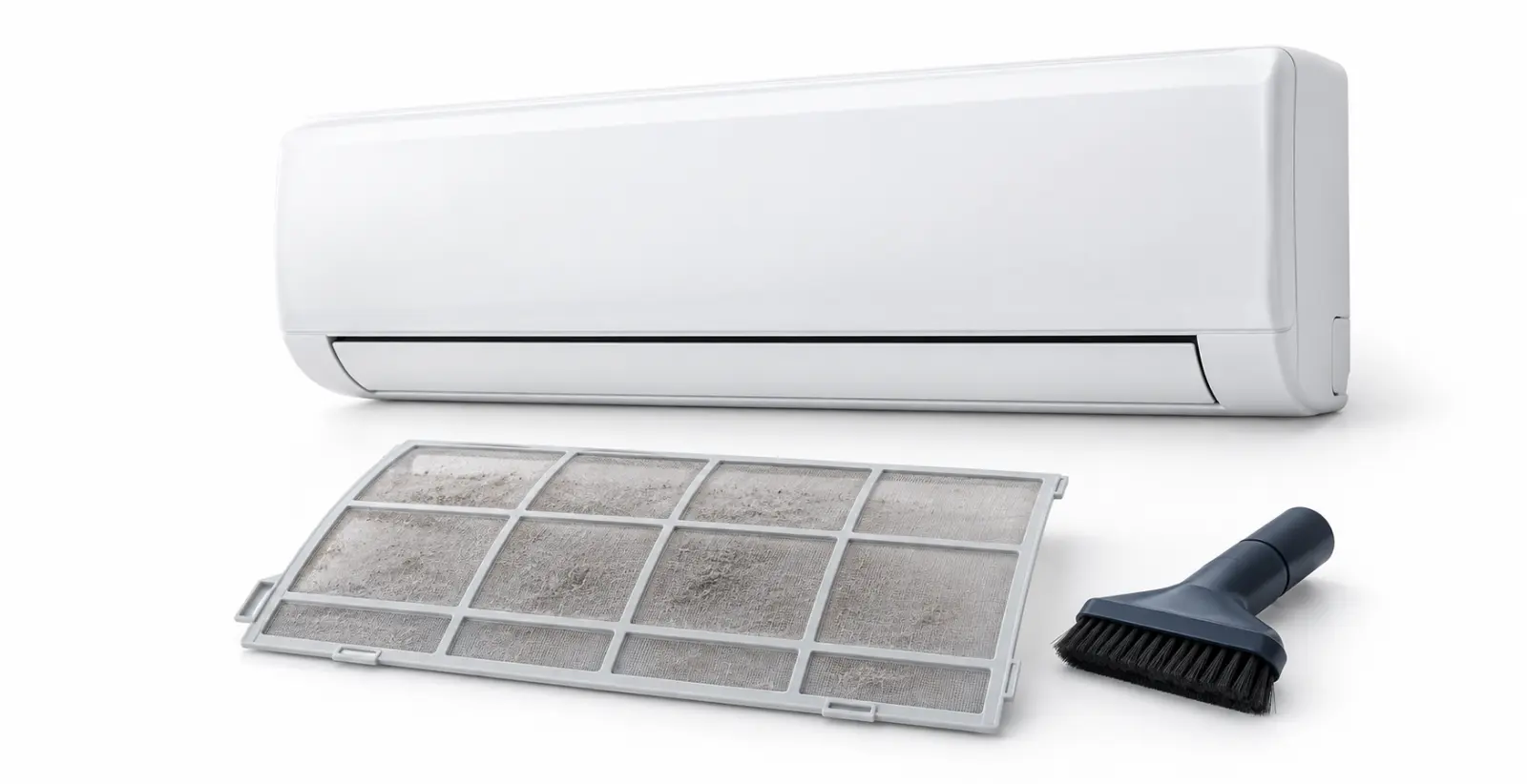
Air Conditioning Maintenance:...
A practical guide to looking after home air conditioning, from cleaning washable filters t...
 Read Article
02nd October, 2026
How much does air conditioning...
Find out how much air conditioning costs to install and run in a UK home, including VAT re...
Read Article
01st October, 2026
Best wall mounted air conditio...
Compare wall mounted air conditioners for quiet bedrooms, everyday comfort and lower upfro...
Read Article