Where should you position an air conditioner in a bedroom?


Written by Stephen Day
Gas Safe Engineer
Updated:
8 min read
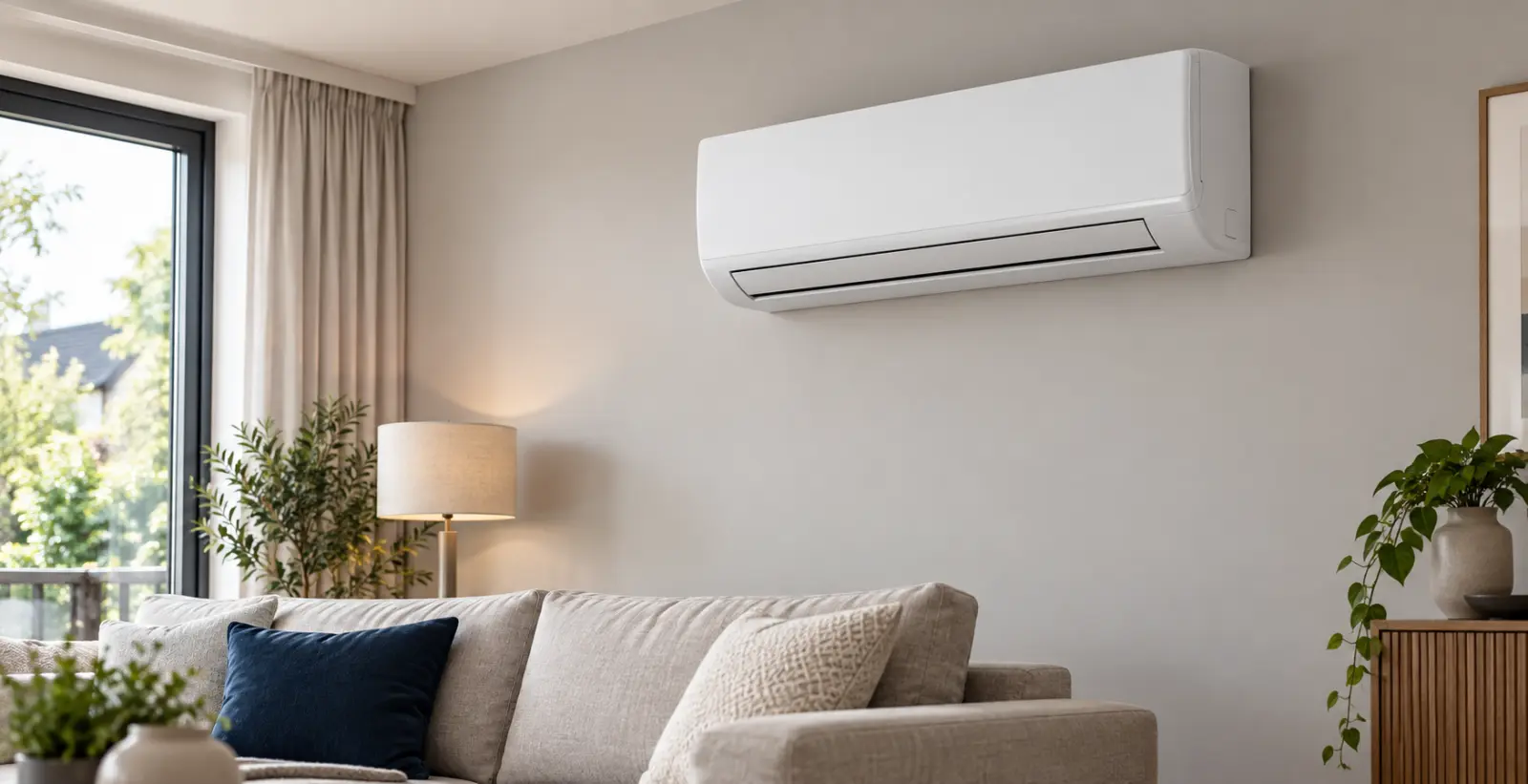
The best place for a bedroom air conditioner is high on a clear wall where it can circulate cool air evenly across the room without blowing directly onto the bed.
In this article
Key takeaways
- Position the indoor unit high on a clear wall for balanced airflow.
- Avoid directing cool air straight onto the bed.
- Keep the area around the unit clear to maximise performance.
Where the indoor unit is positioned has a direct impact on how comfortable your bedroom feels.
A well-positioned air conditioner distributes cool air evenly throughout the room, while poor placement can create uncomfortable draughts, uneven temperatures and unnecessary noise.
From our experience, homeowners often spend a lot of time choosing an air conditioner but give less thought to where the indoor unit should actually be installed. The right location helps the system cool the room more consistently, operate efficiently and create a more comfortable sleeping environment.
Positioning also affects how noticeable the system is while you're trying to sleep. Although modern air conditioners are designed to operate quietly, choosing the right location can help minimise both airflow disturbance and perceived operating noise overnight.
This guide explains the best position for an indoor air conditioning unit in a bedroom, together with the practical factors that influence where it should be installed.
Where is the best place to position a bedroom air conditioner?
In most bedrooms, the ideal location is high on a wall where the unit can distribute conditioned air across the room rather than directly towards the people sleeping in it.
Installing the indoor unit close to ceiling level allows cool air to spread naturally before circulating throughout the space. This creates a more even temperature across the bedroom instead of concentrating cooling in one area.
From our experience, the most comfortable bedroom installations allow airflow to travel across the room before gently circulating back towards the unit, helping to maintain a consistent temperature without creating cold spots.
Which wall is usually best?
The best wall is usually one that allows air to travel freely across as much of the bedroom as possible.
A clear wall with minimal obstructions often provides the most effective airflow. Positioning the indoor unit centrally where practical can also help distribute cooled air more evenly throughout the room, although the final position will always depend on the room's layout.
Every bedroom is different, so the ideal wall isn't always simply the largest one. Windows, doors, fitted wardrobes and other fixed features can all influence where the unit can be installed while still delivering effective airflow.
From our experience, the best installation position is usually the one that achieves the most even cooling across the room rather than the shortest or easiest installation route.
Should an air conditioner be installed above the bed?
Installing an indoor unit above the bed isn't automatically the wrong choice, but the airflow should never be directed straight onto where you sleep.
Most modern wall-mounted air conditioners allow the airflow direction to be adjusted. Even so, it's generally more comfortable if the cooled air passes across the room before circulating back naturally, rather than blowing directly over the bed throughout the night.
From our experience, the aim is to cool the entire bedroom rather than the person sleeping in it. Achieving even room temperatures usually creates a much more comfortable sleeping environment than concentrating cold air in one location.
Why does airflow matter so much?
A bedroom air conditioner works best when cooled air can circulate freely around the room.
If the airflow is blocked or restricted, some parts of the bedroom may remain noticeably warmer while others become colder than intended. This can make the system work harder to maintain the selected temperature.
From our experience, balanced airflow often has a greater impact on comfort than simply lowering the thermostat. When air can circulate naturally throughout the room, temperatures tend to remain more consistent and the system operates more efficiently.
How much space should there be around the indoor unit?
An indoor air conditioning unit needs sufficient clear space to draw in air and distribute it effectively throughout the bedroom.
The exact clearances vary between manufacturers and models, so your installer will always follow the manufacturer's installation requirements. As a general rule, the unit shouldn't be installed tightly against the ceiling, hard into a corner or immediately beside large furniture that could restrict airflow.
Allowing appropriate clearance also makes future servicing and routine maintenance much easier without affecting the appearance of the room.
What can obstruct airflow?
Even if the indoor unit is installed in the right position, nearby furniture can reduce how effectively it cools the bedroom.
Common obstructions include:
Tall wardrobes.
Floor-to-ceiling curtains.
Large shelving units.
High headboards.
Decorative features mounted directly in front of the unit.
From our experience, even relatively small obstructions can affect how evenly cool air moves around the room. Keeping the airflow path as clear as possible helps the system cool the bedroom more efficiently and comfortably.
Why doesn't every bedroom have the same installation position?
Although there are general principles for positioning an indoor air conditioning unit, no single location is perfect for every bedroom.
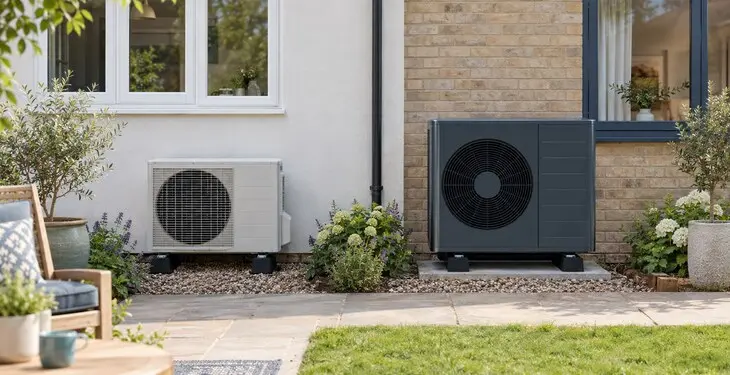
The best airflow position must also be balanced against practical installation considerations such as pipework routes, condensate drainage and the location of the outdoor unit. An experienced installer will assess these factors alongside the room layout to find a position that delivers both effective performance and a neat installation.
From our experience, the best bedroom air conditioning installations are those that balance comfort, airflow and the practical requirements of the property rather than simply placing the unit wherever there's an empty wall.
Does bedroom furniture affect where the unit should go?
Yes. The layout of your bedroom has a direct influence on where an indoor air conditioning unit can be positioned and how effectively it cools the room.
Large wardrobes, tall shelving units and floor-to-ceiling curtains can all restrict airflow if they're directly in front of the unit. Even if the system is powerful enough to cool the room, blocked airflow can create uneven temperatures and reduce overall comfort.
It's also worth thinking about how the room may change over time. Positioning the unit where furniture is less likely to obstruct the airflow in the future can help maintain consistent performance for years to come.
From our experience, choosing a location that allows cool air to circulate freely throughout the bedroom usually delivers better results than simply installing the unit on the first available wall.
How does pipework affect the installation position?
Airflow should always be the starting point when deciding where to position an indoor unit, but it's not the only consideration.
Every air conditioning system requires refrigerant pipework, electrical connections and a condensate drain that removes moisture collected during cooling. These all need to be routed safely between the indoor and outdoor units.
In many bedrooms, the ideal airflow position and the most practical installation position are very similar. Occasionally, however, the unit may need to be adjusted slightly to allow a neater pipework route or more effective drainage without affecting comfort.
From our experience, the best installations balance effective airflow with practical pipework routing, creating a system that's both efficient and visually unobtrusive.
Why is servicing access important?
The indoor unit should also be positioned where it can be safely accessed for routine maintenance.
Air conditioning filters need regular cleaning to help maintain airflow and system efficiency, while annual servicing allows an engineer to inspect the unit and ensure it's operating correctly.
Installing the unit where these tasks can be carried out safely helps support long-term performance without affecting the appearance or usability of the bedroom.
From our experience, allowing suitable access during installation often saves homeowners time and inconvenience when the system is serviced in the future.
Should you avoid placing an air conditioner near windows?
Not necessarily, but windows and surrounding features should be considered when choosing the final position.
Curtains or blinds shouldn't obstruct the airflow, and the unit shouldn't be positioned where window recesses restrict how cooled air spreads across the room.
Bedrooms that receive strong afternoon or evening sunlight often benefit from airflow that reaches the warmest areas of the room rather than simply cooling the space closest to the bed. This helps achieve a more consistent temperature across the entire bedroom.
From our experience, maintaining a clear airflow path is generally more important than avoiding windows altogether.
Common bedroom air conditioner positioning mistakes
A few common positioning mistakes can affect both comfort and performance:
Directing cool air straight towards the bed.
Installing the unit above tall wardrobes or furniture that blocks airflow.
Mounting the unit too close to walls or the ceiling without allowing suitable clearance.
Allowing curtains or decorative features to obstruct the airflow.
Positioning the unit where a door could restrict access or interfere with servicing.
Prioritising the shortest pipework route over achieving balanced airflow across the room.
From our experience, avoiding these issues helps create a quieter, more comfortable bedroom while allowing the air conditioning system to cool the space more efficiently.
The best bedroom air conditioner position depends on the room
While there are clear principles that apply to most installations, there isn't one perfect position for every bedroom.
The best location depends on achieving even airflow throughout the room while taking account of furniture, sleeping positions, servicing access, pipework routes and the location of the outdoor unit. An experienced installer will assess all of these factors before recommending the most suitable position.
From our experience, the best bedroom air conditioning installations are planned around how the room is actually used rather than simply where the indoor unit is easiest to fit. Considering airflow, furniture, pipework and sleeping positions together usually delivers the most comfortable results throughout the year.
If you're planning home air conditioning installation, iHeat can assess your bedroom layout and recommend the most suitable indoor unit position to provide efficient cooling, quiet operation and long-term comfort.
Last updated: