


Can Air Conditioning Remove Humidity from Your Home?
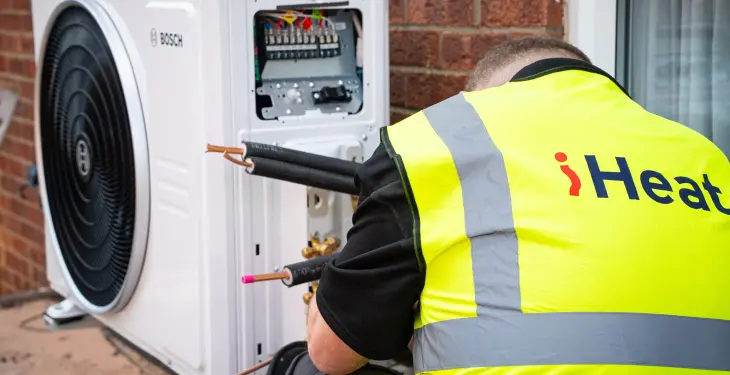

Written by Stephen Day
Gas Safe Engineer
Updated:
Yes, air conditioning can help reduce humidity levels inside your home by removing excess moisture from the air as it cools the room.
- How does air conditioning remove humidity?
- Why do UK homes feel humid?
- Does air conditioning make rooms feel less stuffy?
- Can air conditioning help with condensation?
- Does air conditioning help prevent mould?
- Is air conditioning better than a dehumidifier?
- Do all air conditioning systems remove humidity?
- Why humidity feels worse at night
- What affects how well air conditioning removes humidity?
- Can air conditioning make air too dry?
- Common misconceptions about air conditioning and humidity
- What homeowners often notice after installation
- Why reducing humidity often improves comfort more than homeowners expect
Key takeaways
- Air conditioning removes moisture while cooling.
- Lower humidity can improve comfort indoors.
- Air conditioning will not fix structural damp issues.
Yes, air conditioning can help reduce humidity levels inside your home by removing excess moisture from the air as it cools the room.
Many homeowners think air conditioning only lowers temperature, but modern systems also play an important role in improving indoor comfort by reducing humidity. During warmer UK weather, homes can often feel sticky, stuffy, or uncomfortable not just because of heat, but because of excess moisture in the air.
Many homeowners describe humid rooms as feeling heavy, uncomfortable, or difficult to cool down properly even when temperatures are not especially high. This is particularly noticeable in bedrooms, loft rooms, conservatories, and home offices where heat and moisture can build up throughout the day.
Modern air conditioning systems can help make rooms feel cooler, drier, and fresher overall, although they are not always a complete solution for underlying damp or ventilation problems.
How does air conditioning remove humidity?
Air conditioning systems naturally remove moisture from the air during the cooling process.
As warm indoor air passes over the system’s cold evaporator coil, moisture condenses into water and drains away through the system. At the same time, cooled air is circulated back into the room.
This process lowers both temperature and humidity levels together.
In practice, many homeowners notice the difference more through how the room feels rather than through dramatic temperature changes alone.
Rooms with lower humidity often feel:
Fresher
Less stuffy
Easier to relax in
More comfortable overnight
Many homeowners initially expect cooling to make the biggest difference, but often notice humidity reduction first.
Lower humidity can sometimes improve comfort more noticeably than lowering room temperature by several additional degrees.
Expert Insight:
Humidity plays a major role in indoor comfort. In many homes, reducing excess moisture can make rooms feel noticeably more comfortable even without dramatically lowering the temperature itself.
Why do UK homes feel humid?
Humidity inside UK homes often increases during warm weather, particularly in properties with limited airflow or where moisture builds up from everyday activities such as cooking, showering, and drying clothes indoors.
Many UK homes are also designed to retain heat efficiently, which can trap warmth and moisture indoors during humid weather.
Humidity can become especially noticeable during:
Warm summer evenings
Heatwaves
Heavy rainfall periods
Winter condensation conditions
Loft rooms and south-facing bedrooms often feel particularly uncomfortable because heat and moisture can remain trapped well into the evening after outdoor temperatures begin falling.
Bedrooms often feel most uncomfortable late at night when warmth and humidity have gradually built up throughout the day.
Humidity can also become more noticeable in homes where windows stay closed because of traffic noise, security concerns, pollen, or outdoor heat.
Rooms can sometimes feel tiring or uncomfortable more quickly because humidity slows down how easily heat leaves the body.
Does air conditioning make rooms feel less stuffy?
Usually, yes.
Many homeowners install air conditioning mainly for cooling, but later realise the reduction in humidity improves comfort just as much.
Lower humidity levels can help rooms feel:
Less sticky
Fresher overnight
Easier to sleep in
Less heavy during humid weather
For many households, the biggest comfort improvement comes from making bedrooms feel more breathable during humid summer nights rather than simply lowering the temperature dramatically.
Many homeowners notice rooms begin feeling fresher gradually over time rather than instantly becoming cold.
Even mild airflow from a properly positioned indoor unit can make rooms feel noticeably more comfortable during humid weather.
Can air conditioning help with condensation?
Sometimes.
By reducing indoor moisture levels, air conditioning may help reduce some forms of condensation, particularly during warmer weather.
This can occasionally improve:
Condensation on windows
Damp-feeling bedrooms
Moisture build-up in loft rooms
Humid home office spaces
However, air conditioning is not designed to fix structural damp or serious ventilation problems.
If a home has:
Ongoing damp patches
Water ingress
Leaks
Poor insulation
Severe ventilation issues
humidity control alone may not fully solve the problem.
Balanced expectations are important. Air conditioning can help manage indoor humidity, but it is not a replacement for proper ventilation or building repairs where underlying moisture problems exist.
Does air conditioning help prevent mould?
It can sometimes help reduce conditions that allow mould to develop.
Mould tends to grow more easily in warm, humid, poorly ventilated spaces where moisture remains trapped for long periods.
By lowering humidity and improving airflow, air conditioning may help reduce moisture build-up in certain rooms.
This is particularly relevant in:
Bedrooms
Loft conversions
Conservatories
Home offices
Rooms with limited airflow
However, air conditioning alone will not permanently solve mould caused by structural damp, insulation problems, leaks, or major ventilation issues.
In practice, many homes benefit most from combining:
Better airflow
Ventilation improvements
Proper insulation
Humidity control
rather than relying on one solution alone.
Is air conditioning better than a dehumidifier?
They do slightly different jobs.
A dehumidifier is designed specifically to remove moisture from the air.
Air conditioning cools the room while also removing some humidity at the same time.
In many homes, air conditioning can make rooms feel significantly more comfortable overall because it improves both temperature and moisture levels together.
Many homeowners notice fans simply move warm humid air around the room, while air conditioning can make the space feel drier as well as cooler.
However, dedicated dehumidifiers may sometimes remove moisture more aggressively in colder rooms or homes dealing with persistent condensation issues.
Many homeowners find air conditioning works particularly well during warmer humid weather, while dehumidifiers may still have a role during colder months.
Do all air conditioning systems remove humidity?
Most modern residential systems do.
This includes:
Wall-mounted split systems
Multi-split systems
Inverter air conditioning systems
Some systems also include dedicated dry or dehumidification modes designed to reduce moisture levels with lighter cooling.
Many homeowners use dry mode during humid weather when the room feels uncomfortable but does not necessarily need strong cooling.
Why humidity feels worse at night
Many UK homes become more uncomfortable overnight because heat and moisture build up gradually throughout the day.
This is particularly common in:
Loft bedrooms
South-facing rooms
Poorly ventilated spaces
Modern airtight homes
Even with windows open, rooms can still feel uncomfortable if outdoor humidity levels remain high.
During humid summer weather, opening windows does not always make rooms feel fresher because moisture levels outside may already be elevated.
Some homeowners notice they sleep more comfortably even when using relatively mild cooling settings once humidity levels begin dropping.
What affects how well air conditioning removes humidity?
Several factors affect humidity control performance.
Factor | Impact on Humidity Reduction |
Room size | Larger rooms may retain more moisture |
Ventilation | Poor airflow can increase humidity build-up |
Insulation | Poor insulation may increase condensation risk |
Outdoor weather | Humid conditions increase indoor moisture |
System sizing | Correctly sized systems manage humidity more effectively |
Usage habits | Consistent operation often improves comfort |
In practice, air conditioning usually works most effectively when maintaining steady room conditions rather than constantly switching the system on and off.
Can air conditioning make air too dry?
Occasionally, although this is generally less common in UK homes than in hotter climates.
Some homeowners may notice:
Dry throat
Dry eyes
Mild overnight dryness
particularly if:
Temperatures are set very low
Airflow is directed directly at sleeping areas
The system runs continuously for long periods
Most modern systems allow homeowners to adjust airflow direction, fan speed, and cooling intensity to maintain more natural comfort levels.
Common misconceptions about air conditioning and humidity
Several misunderstandings still exist around humidity control.
“Air conditioning only cools the air”
Modern systems also remove moisture during normal operation.
“Air conditioning fixes damp problems”
Air conditioning may help reduce humidity but will not solve structural damp or water ingress.
“Opening windows always reduces humidity”
During humid weather, opening windows can sometimes allow additional moisture indoors.
“Cooler air always means drier air”
Humidity and temperature are connected, but reducing moisture is often what improves comfort most noticeably.
What homeowners often notice after installation
Many homeowners initially focus mainly on cooling before installation, but afterwards often notice:
Bedrooms feel less stuffy
Rooms feel fresher overnight
Less sticky indoor conditions
Improved sleeping comfort
More comfortable airflow during humid weather
In homes with loft rooms or south-facing bedrooms, reducing humidity can sometimes make just as much difference to comfort as lowering the temperature itself.
For some households, the biggest improvement is simply making rooms feel more breathable and comfortable during humid evenings.
Why reducing humidity often improves comfort more than homeowners expect
For many homeowners, humidity reduction is one of the biggest reasons air conditioning feels more comfortable during warmer weather.
Modern systems can help reduce:
Excess moisture
Sticky indoor conditions
Overnight discomfort
Stuffy bedroom air
while also cooling the room at the same time.
The biggest improvements are often seen in bedrooms, loft rooms, home offices, and south-facing spaces where heat and humidity tend to build up most noticeably.
Air conditioning usually works best when combined with:
Good ventilation
Proper insulation
Realistic temperature settings
Correct system sizing
If you’re considering air conditioning for your home, iHeat can help you understand how modern cooling systems can improve comfort, airflow, and humidity control during warmer UK weather.
Last updated:
Written by Stephen Day
Gas Safe Engineer at iHeat
Stephen Day is a Gas Safe registered and FGAS certified engineer with over 20 years of hands-on experience in the heating, cooling, and renewable energy industry, specialising in boiler installations, air conditioning, and heat pump systems.
LinkedInArticles by Stephen Day are reviewed by iHeat’s technical team to ensure accuracy and reliability.
More air conditioning help & advice
02nd October, 2026
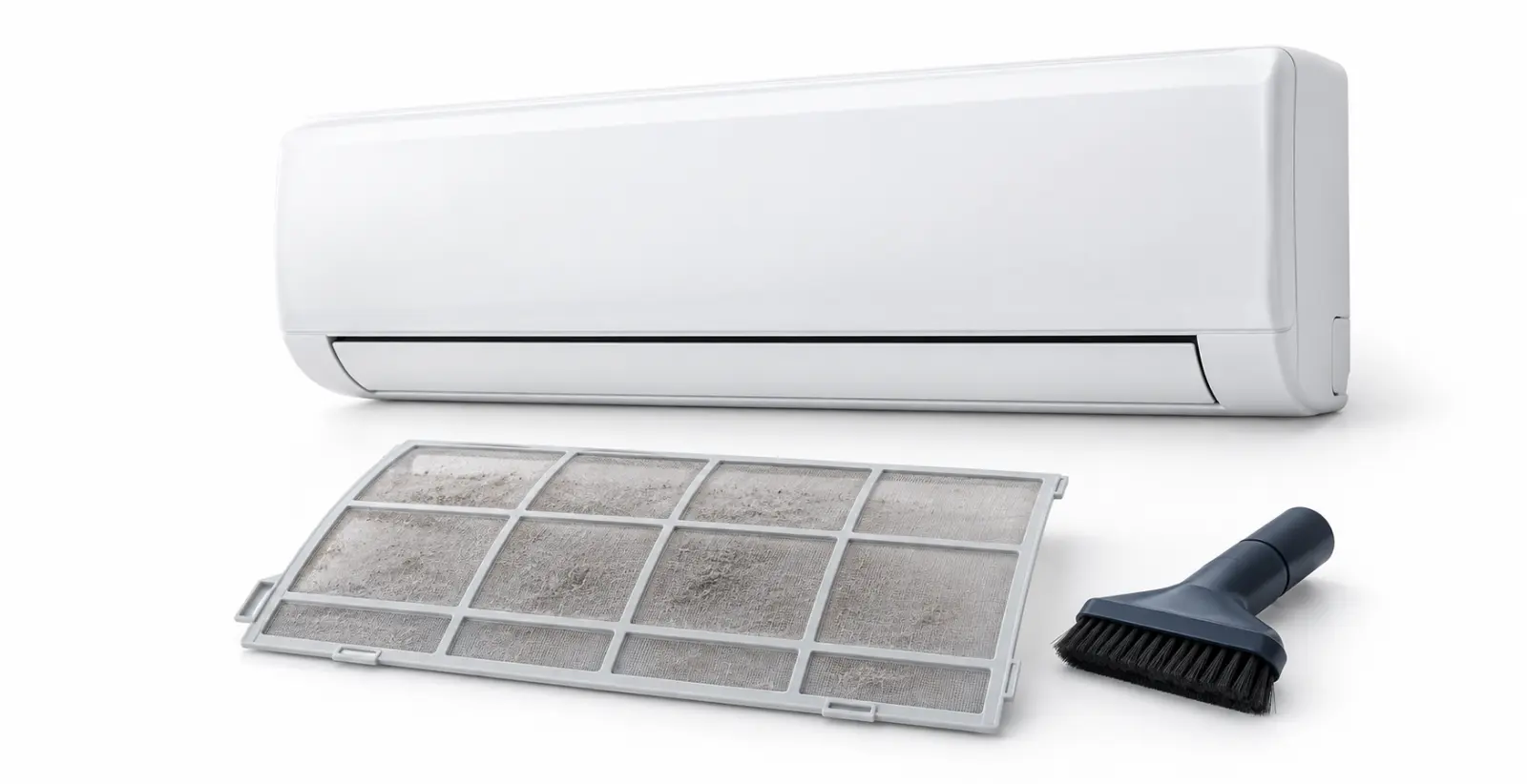
Air Conditioning Maintenance:...
A practical guide to looking after home air conditioning, from cleaning washable filters t...
 Read Article
02nd October, 2026
How much does air conditioning...
Find out how much air conditioning costs to install and run in a UK home, including VAT re...
Read Article
01st October, 2026
Best wall mounted air conditio...
Compare wall mounted air conditioners for quiet bedrooms, everyday comfort and lower upfro...
Read Article