Solar & Battery Case Study: How One Homeowner Cut Their Electricity Costs

Written by Bethany Armstrong
Renewables Manager
Updated:
7 min read
See how solar panels and battery storage helped reduce one homeowner's electricity bill to just £4 during summer.
In this article
Key takeaways
- This homeowner reduced their electricity bill to around £4 per month.
- Battery storage played a major role in maximising savings.
- System design and tariff choice were just as important as the solar panels themselves.
Many homeowners consider solar panels because they want greater control over their energy bills.
But how much difference can solar and battery storage actually make?
In this case study, we look at a real homeowner who installed a solar and battery system and later recorded an electricity bill of just £4 for the month.
While that figure will naturally attract attention, the more interesting story is how it was achieved.
This wasn't a luxury property with a huge renewable energy setup. It was a typical UK home using a modest solar array, battery storage, and a carefully chosen electricity tariff.
The result offers useful insights for homeowners considering solar and battery storage for their own property.
Why this homeowner chose solar and battery storage
Like many UK households, the decision started with rising energy costs.
The homeowner explained that their electricity bills had increased significantly over time and that they wanted more control over what they were spending on energy each month.
They also wanted greater energy independence and less exposure to future price rises.
Rather than continuing to absorb increasing energy costs, they decided to invest in a solar and battery system designed around their home's existing electricity usage.
For this homeowner, the goal was not simply generating renewable electricity. It was creating a system that could reduce reliance on expensive grid electricity while maintaining the same lifestyle and comfort levels.
The solar and battery system
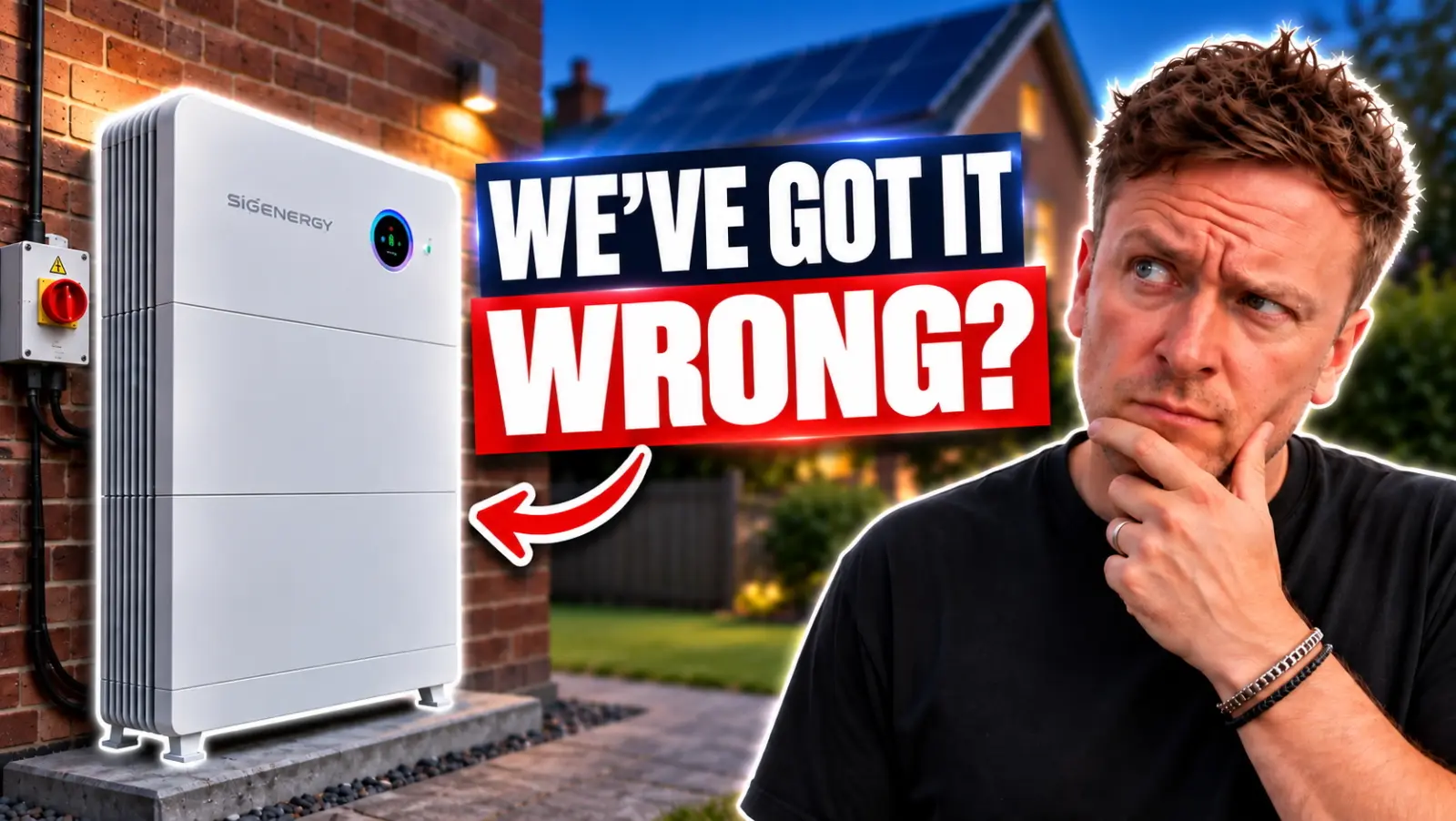
One of the most interesting aspects of this case study is that the installation was relatively modest.
The system included:
Component | Specification |
Solar array | 9 solar panels |
Array size | Approximately 4kW |
Inverter | 3.7kW inverter |
Battery | 10kWh battery |
Usable battery capacity | Around 9kWh |
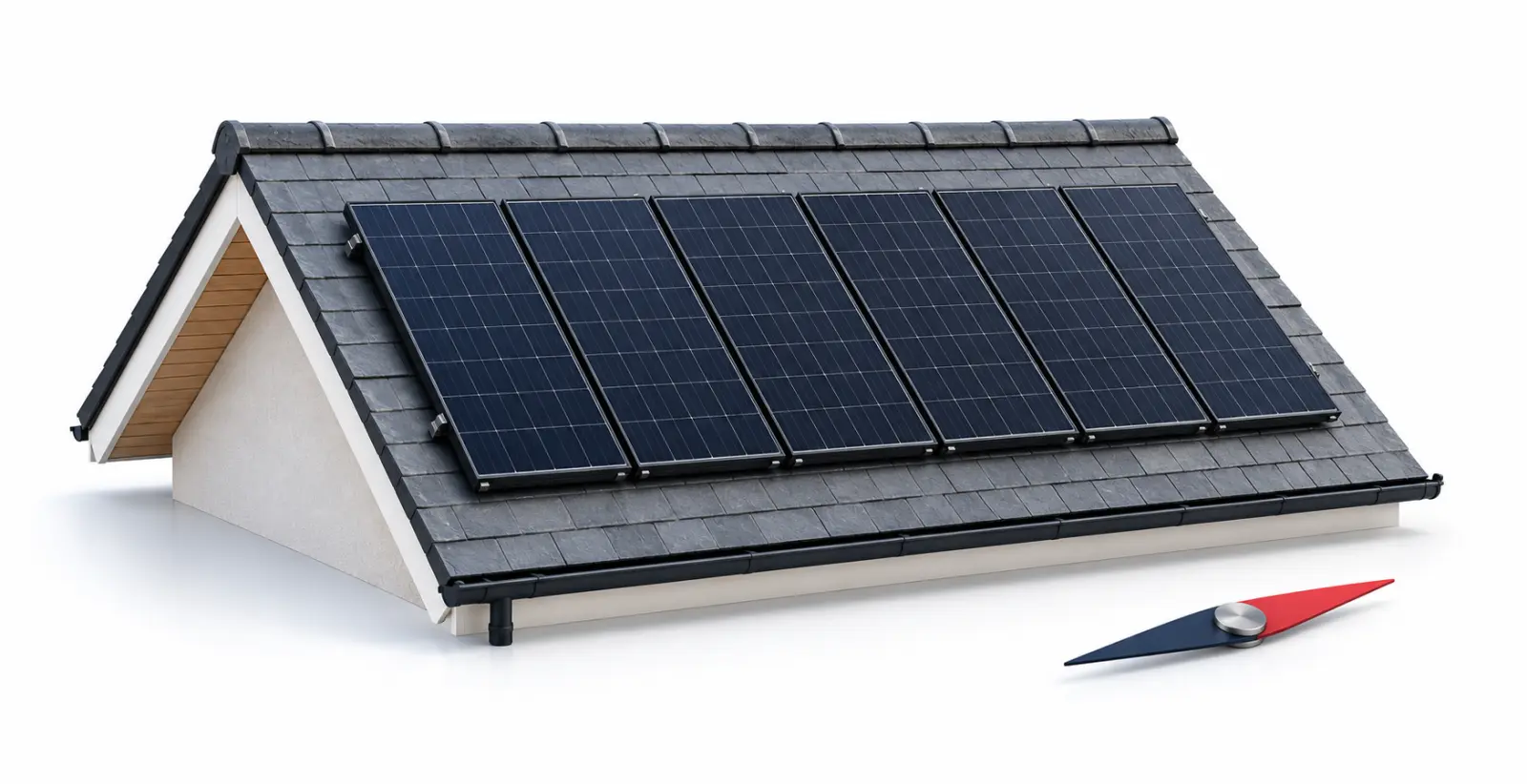
The solar array consisted of five south-facing panels and four north-facing panels.
While north-facing panels are less common, the homeowner specifically requested them to maximise generation potential while scaffolding and installers were already on site.
The battery was installed in the garage and sized to cover much of the household's typical daily electricity demand.
According to the homeowner, this battery capacity proved sufficient for most days, although particularly high-consumption winter days occasionally required additional electricity from the grid.
What were the electricity bills before solar?
Before the installation, the homeowner was already actively trying to reduce costs through energy tariffs.
In April 2025, shortly before solar was installed, the household used around 370kWh of electricity and paid approximately £81 for the month.
Winter bills were considerably higher.
The homeowner reported electricity costs of roughly:
Month | Electricity bill |
November | Around £130 |
December | Around £140 |
April (before solar) | Around £81 |
Like many households, energy costs fluctuated throughout the year, with winter placing the greatest pressure on monthly budgets.
Before and after: the numbers at a glance
One of the easiest ways to understand the impact of the system is to compare the homeowner's bills before and after installation.
Before solar | After solar & battery | |
Typical spring bill | ~£81 | ~£4 |
Winter bill example | ~£140 | ~£75 |
Electricity usage (April example) | 370kWh | Similar household usage |
Battery storage | None | 10kWh battery |
Solar generation | None | 4kW array |
While every household will see different results, these figures demonstrate how solar generation, battery storage, and tariff selection can work together to reduce electricity costs.
What happened after installation?
The results were noticeable almost immediately.
The first full month after installation saw the electricity bill fall from around £80 to approximately £27.
Initially, the battery was being charged mainly by solar generation before supplying power back to the home when solar production dropped.
However, the homeowner later refined the setup further by switching to Octopus Go, an EV tariff that offers a lower overnight electricity rate.
This adjustment proved to be one of the most important steps in reducing costs further.
How did the bill fall to around £4?
Many people assume a £4 electricity bill must involve unusually low energy consumption or significant lifestyle changes.
That was not the case here.
The homeowner specifically stated that they had not restricted their energy usage and had not changed how they lived within the home.
Instead, three factors worked together.
The system was sized appropriately
The homeowner repeatedly highlighted the importance of battery sizing.
A battery that is too small may not provide enough storage to make a meaningful difference.
A battery that is too large may increase installation costs unnecessarily.
In this case, the battery was large enough to cover much of the household's normal daily usage.
The right tariff was used
After installation, the homeowner moved to a tariff that provided lower-cost overnight electricity.
This allowed the battery to charge when electricity was cheaper before powering the home during more expensive periods.
The battery strategy was optimised
Perhaps the most interesting lesson from this case study is that the battery was not relying solely on solar generation.
The battery was routinely charged overnight at lower rates and then topped up by solar throughout the day.
This helped maximise both self-consumption and export opportunities.
The homeowner summarised the approach as having the right system, the right tariff, and the right strategy.
Why this result is unusual but still realistic
A £4 electricity bill is not something most homeowners should expect every month.
However, what makes this case study particularly interesting is that the result was achieved with a relatively modest system on a typical UK home rather than a large, high-cost installation.
The homeowner was not living off-grid, drastically reducing electricity usage, or relying on unusual circumstances.
Instead, the savings came from combining:
Solar generation
Battery storage
A suitable tariff
An effective charging strategy
This highlights an important point.
The biggest savings often come from how a system is designed and used rather than simply installing the largest number of solar panels possible.
How important was the battery?
Many homeowners initially focus on solar panels.
This case study demonstrates why battery storage can be equally important.
During summer, the battery stored excess solar generation that could be used later.
During winter, when solar production naturally fell, the battery could still be charged overnight using lower-cost electricity before powering the home throughout the day.
This meant the system continued reducing electricity costs even when daylight hours were limited.
Without battery storage, the homeowner would have needed to import considerably more electricity from the grid.
For many households, battery storage can play a major role in improving the overall value of a solar installation.
No major lifestyle changes were required
One of the most revealing aspects of this case study is what the homeowner did not do.
Many people assume very low electricity bills require constant monitoring, switching appliances off, or making major lifestyle sacrifices.
The homeowner specifically explained that they did not limit their electricity usage and did not feel the need to conserve power.
Instead, the system was designed around existing household habits.
Battery charging schedules were configured and then largely left to operate automatically.
For many homeowners, this may be one of the most reassuring takeaways.
Lower energy bills do not necessarily require changing how you live if the system has been designed appropriately for the property and its energy usage.
What this case study tells us
This case study is not really about achieving a £4 electricity bill.
It is about showing how solar panels, battery storage, and the right tariff can work together to reduce dependence on grid electricity.
While every property is different, the homeowner's experience demonstrates that meaningful savings are often driven by system design, battery sizing, and energy strategy rather than simply installing as many solar panels as possible.
For homeowners considering solar, the most useful lesson may be that achieving lower bills is rarely about one piece of equipment. It is about creating a system that matches how the household actually uses energy.
The homeowner summarised the formula simply: the right system, the right tariff, and the right strategy.
Based on the results achieved during the first year, those three elements worked together extremely effectively.
If you're considering solar panels and battery storage, iHeat can help you explore systems designed around your property's energy usage, helping you maximise generation, storage, and long-term savings.
Last updated: