


Tesla Powerwall 3 13.5kWh Battery & Inverter
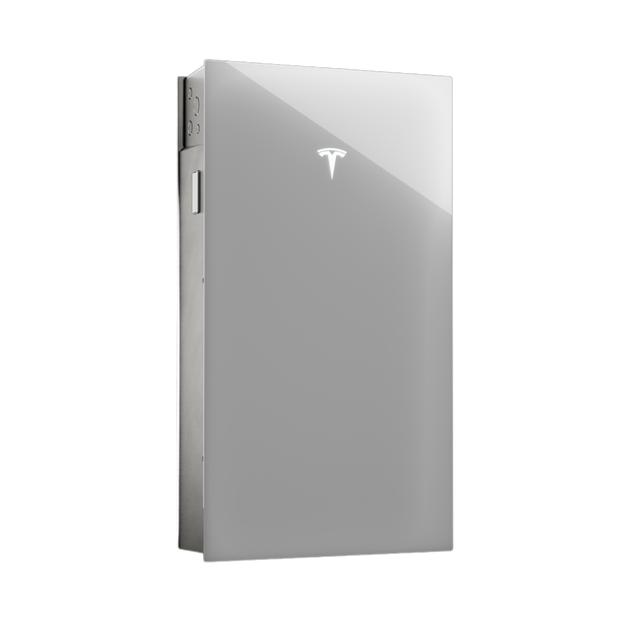
Installed from£7,945Installation & VAT includedOptional Gateway: +£995 installed
Get my quote
Store solar power or cheaper off-peak electricity for when you need it. Get Tesla Powerwall 3 from £7,945, including installation and VAT.

 Which? Trusted Trader
Two years running
Which? Trusted Trader
Two years running
 Octopus Energy Trusted Partner
Discover our wider energy services
Octopus Energy Trusted Partner
Discover our wider energy services
 Tesla Certified Installer
Tesla Powerwall 3 battery packages start from £7,945 installed with iHeat. Choose battery storage for your existing home, or a package with new solar panels. Prices below include installation and VAT. A Tesla Gateway is not included; add one for £995 installed.
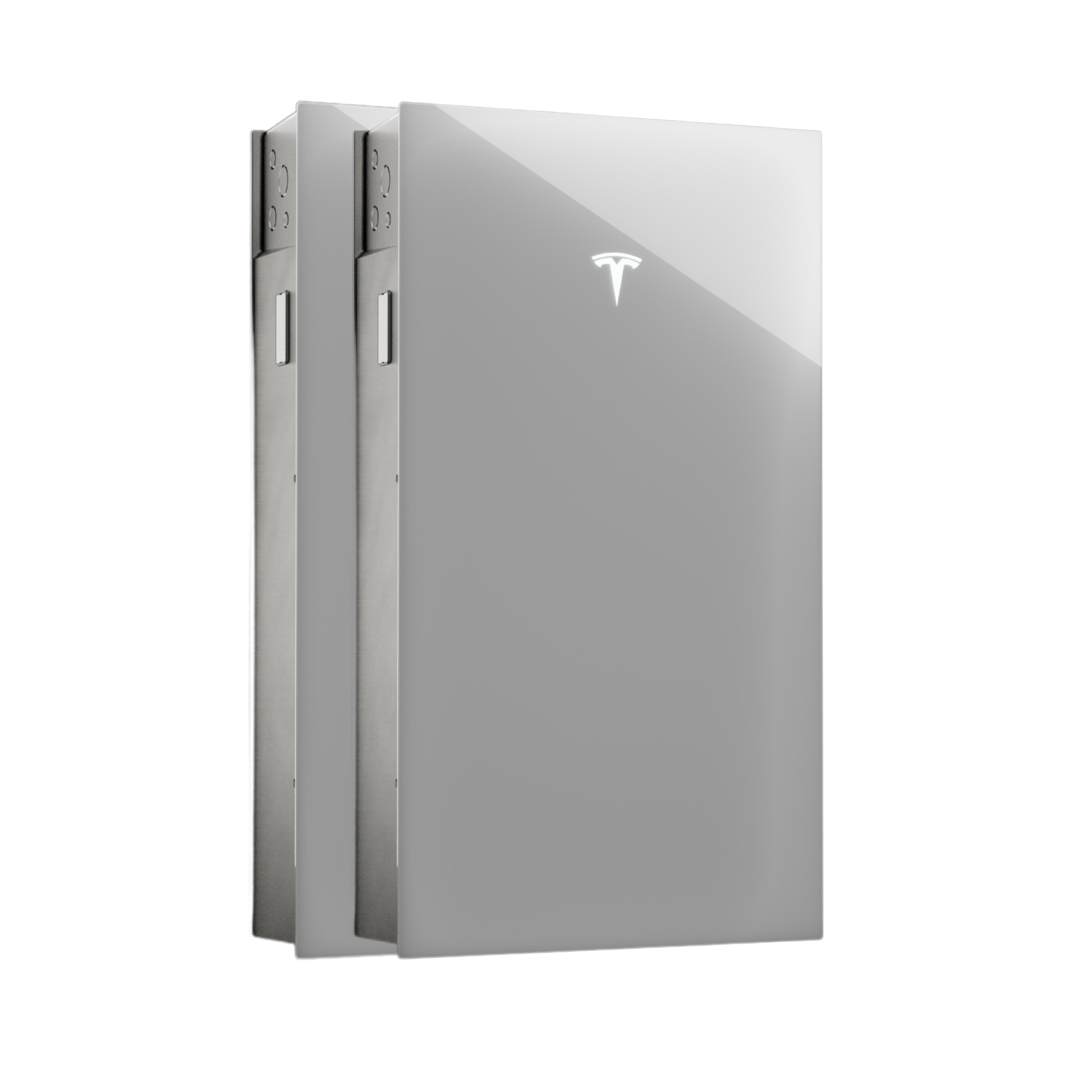
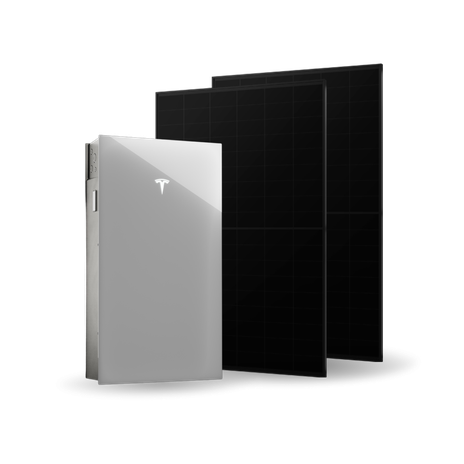
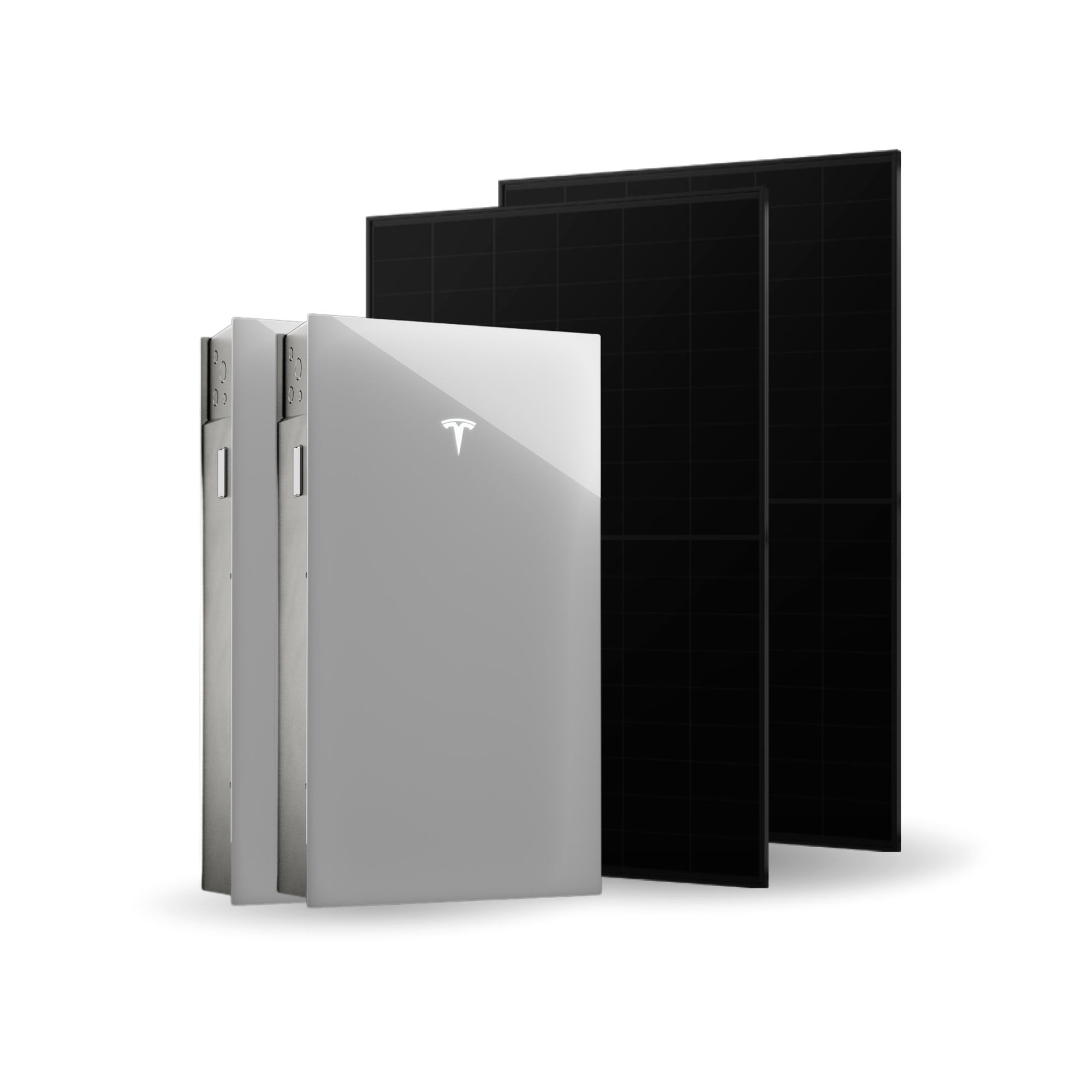
Battery capacity, new solar panels, cable routes and electrical work all affect the package. Backup needs to be part of your system design, so tell us if power-cut protection is a priority.
A battery-only retail price is different from an installed package. Your proposal sets out the equipment, installation work and any backup equipment included, so you can compare like for like.
Talk through your optionsPowerwall 3 combines a home battery with a built-in solar inverter. The Tesla app lets you see where your electricity is going and manage how stored energy is used.
Store surplus generation for the evening, rather than buying all that electricity back from the grid.
Explore solar & batteryWith a suitable time-of-use tariff, charge at a lower rate and use stored electricity when rates rise. Savings depend on your tariff, usage and charging losses.
Explore battery storageA backup installation can keep selected circuits or your home running. The circuits supported and backup duration depend on the design, battery charge and appliances in use.
Understand backup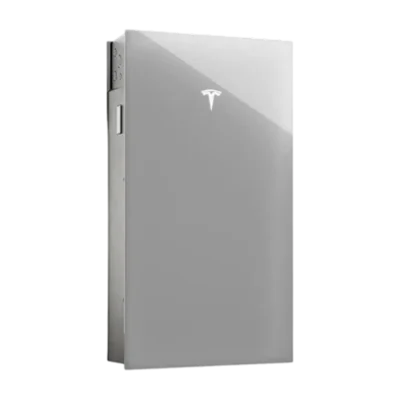
One battery stores 13.5 kWh. Expansion units add more storage if your household needs it.
Tesla’s UK specifications (PDF)A good fit depends on your electricity use, existing equipment and what you want your battery to do.
David’s home already had solar panels, a battery and a heat pump. Its 6.5 kWh battery wasn’t enough for the household’s electricity use.
Watch our team fit a Powerwall 3, a DC expansion unit and a Gateway, bringing storage to 27 kWh. We explain the system design, grid approval and how the household plans to use its electricity.
Installed . David’s price included Powerwall 3, a DC expansion unit and a Gateway. It reflects his installation and is not a current package quote.

Founded by heating engineers in 2019, iHeat now helps homeowners with heating, solar and battery storage. We bring together your quote, installation and aftercare, with a team you can contact when you need help.
We’re a Tesla Certified Installer. Installation work is carried out by iHeating Solutions Ltd, our MCS-certified installation company. We’re also an Octopus Energy Trusted Partner.
Meet the people behind iHeatStart with battery storage or solar and battery. Share your electricity use and existing setup so we can discuss a suitable system.
We’ll arrange a call to discuss your home, battery position and backup needs, then prepare your free, no-obligation proposal. We’ll confirm the work and installation arrangements before you decide.
Your installer fits and commissions the system. The Tesla app lets you monitor it, and our aftercare team is here if you need help.
Our award-winning customer service team can help you with the next steps. For an existing installation, report an issue so we can review the details.
Solar and battery customers share their experience with iHeat.
Pay in full or spread the cost of your solar and battery installation.
Questions about choosing and installing your Powerwall?
Our Tesla Powerwall 3 battery packages start from £7,945 including installation and VAT. This is an installed package price, rather than the cost of buying the battery alone.
A Tesla Gateway is an optional £995 installed extra and is not included in the starting package price. The final price depends on the storage you choose, whether you are adding solar panels, the electrical work needed and your backup requirements. For example, one Powerwall 3 and an expansion unit provide more storage than a single battery, but are a different package to compare.
When comparing quotes, check the total battery capacity, installation work and whether backup equipment is included. Your proposal will set out the system and work agreed for your home.
Compare installed Powerwall packages →No. Powerwall can charge from the electricity grid, so you can install it without solar panels or a Tesla car. With a suitable time-of-use tariff, you can store electricity during cheaper periods and use it later in the day.
If you have solar panels, the battery can also store surplus generation instead of exporting it straight away. This can be useful when your panels generate most of their electricity while you are out, but you use more at home in the evening.
Grid charging depends on your system settings and any supplier restrictions. Compare the whole tariff, including daytime and export rates, rather than choosing on the overnight rate alone.
Explore battery storage without solar →An existing solar system can be considered for a Powerwall upgrade, but we need to check the equipment before confirming a suitable design. Send us the details of your panels, inverter and any battery you already have.
Powerwall 3 has an integrated solar inverter. Whether that is used, or how the battery connects alongside your existing equipment, depends on the installation. An existing battery should not be assumed to work with the new system.
The review also needs to consider your electricity supply, proposed battery position and any network approval required. This helps establish the complete work involved before you choose a package.
Powerwall 3 provides 13.5 kWh of battery storage. Adding one Powerwall 3 Expansion unit brings the total to 27 kWh. The expansion unit adds stored energy, rather than another full inverter.
The right size depends on how much electricity you use and when you use it. A home with a heat pump or an electric car may have very different needs from another home with the same number of bedrooms. Your electricity bills and usage history are more useful than house size alone.
Capacity and output also mean different things: kWh describes how much energy you can store, while kW describes how quickly it can be supplied. We can discuss both, along with any backup reserve and plans to add more storage later. Running several high-power appliances will use the charge faster.
Powerwall can reduce the electricity you buy at more expensive times by storing surplus solar energy or cheaper grid electricity. The benefit depends on your usage and tariff, so there is no single annual saving or payback period for every home.
For example, a household that uses most of its electricity in the evening may benefit from storing daytime solar generation. Without solar, the opportunity comes from the difference between cheaper charging periods and the rate you would otherwise pay.
A useful estimate should account for battery losses, import and export rates, how much stored electricity you will actually use and the full installation cost. Share your bills and tariff with us so the proposed system reflects your household rather than a generic savings figure.
A Tesla Gateway enables Powerwall to provide backup power as part of a suitably designed installation. You do not need the optional Gateway for a non-backup setup, but you do need it with our backup installation if you want to power your home during a power cut. Our optional Tesla Gateway costs £995 installed and is not included in the package prices. A non-backup installation will not supply your home during a power cut.
Tell us which circuits and appliances you want to keep running so these can be considered in the design. Backing up lighting, refrigeration and essential small appliances is a different requirement from running an oven, heat pump and EV charger together.
How long backup lasts depends on the charge available, the reserve you keep and the electricity being used. More storage can extend the time available, but does not automatically increase the power the system can deliver at once. Check the backup scope in your proposal before ordering.
iHeat is a Tesla Certified Installer. We arrange a free call to prepare your no-obligation proposal. Before fitting, we review your existing setup, agree the equipment and battery position, and confirm the installation arrangements. Powerwall 3 is designed for indoor or outdoor use, but the location still needs suitable access, clearances and mounting conditions.
Tesla describes a typical Powerwall installation as a full day. Additional electrical work, extra batteries or fitting solar panels at the same time can take longer. There will be a planned electricity interruption while connections are made; let us know about any essential powered equipment beforehand.
The system is then commissioned and connected for monitoring in the Tesla app. An active internet connection is needed for monitoring and updates, so connectivity at the installation location is part of the preparation. We will explain the plan for your home before installation day.
Tesla provides a 10-year limited Powerwall warranty, subject to its terms and operating conditions. For solar self-consumption, time-based control and backup, its European warranty specifies 70% energy retention at 10 years and unlimited cycles. Other uses may have a throughput limit.
Energy retention describes how much capacity remains over time; it is not a promise of a particular bill saving or backup runtime. A reliable internet connection is required for the full warranty. Read the terms supplied with your system and keep your installation paperwork.
If you need help after installation, contact iHeat or use our report-an-issue page. Our aftercare team can review the details and help arrange the appropriate next steps. Tesla also provides product troubleshooting through its app and support site.
Read Tesla’s warranty (PDF) →Still have a question? Talk to our team
Compare battery storage on its own, or add solar panels to generate your own electricity.


