Home Battery Storage: Ultimate Guide

Written by Bethany Armstrong
Renewables Manager
Updated:
9 min read
Home battery storage lets homeowners store electricity for later use.
In this article
Key takeaways
- Home battery storage stores electricity for use later in the day.
- It can be installed with solar panels or without solar.
- Costs, savings and battery size vary by home, tariff and usage pattern.
As electricity prices, smart tariffs and home energy technology continue to evolve, more households are looking for ways to use electricity more strategically.
home battery storage installation is becoming part of that shift.
For some homeowners, a battery is a way to store surplus solar electricity and use it later.
For others, it is a way to charge when electricity is cheaper and reduce reliance on the grid at more expensive times.
In both cases, the appeal is the same: more control over how and when electricity is used.
That is why home battery storage matters. It can help households use more of their own energy, respond better to changing tariffs and build a more flexible home energy setup.
What is home battery storage?
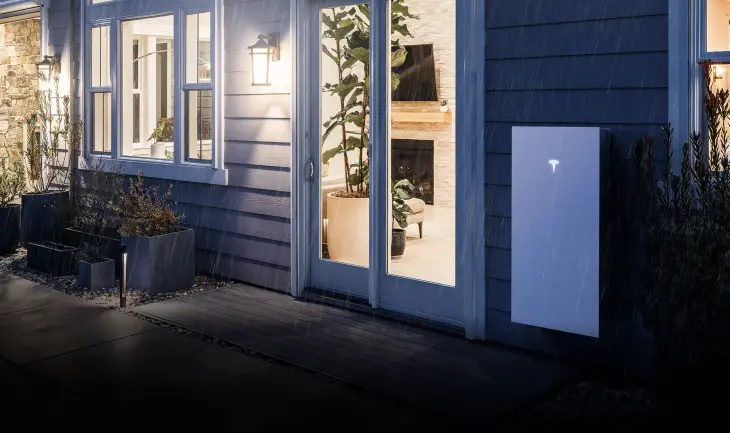
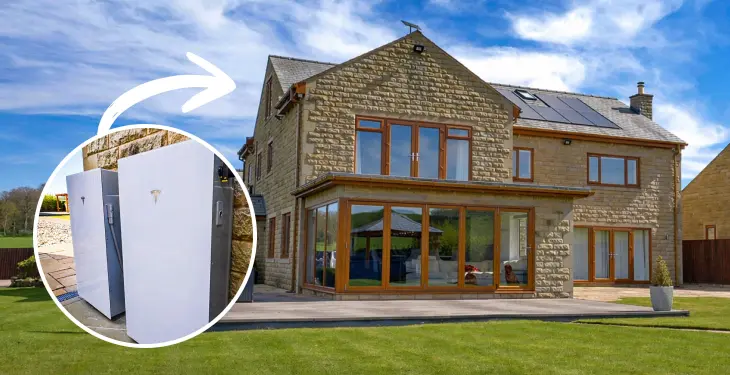
Home battery storage is a system that stores electricity for later use in the home.
The electricity can come from solar panels, from the grid, or from both.
Instead of using electricity only at the moment it is generated or imported, the home can hold onto it and use it when it is more useful.
In simple terms, a battery stores energy when it is available and releases it when the home needs it more.
How domestic battery storage works in practice
A domestic battery charges when electricity is available and discharges when the home needs that stored energy.
If the battery is paired with solar panels, it will usually store surplus solar electricity generated during daylight hours.
If it is installed without solar, it can charge from the grid when electricity prices are lower and supply that energy later when prices are higher.
The aim is not just to store electricity. It is to store it at the right time and use it when it brings the most value.
That could mean reducing grid imports, improving use of solar generation or taking better advantage of smart tariffs.
Home battery storage with solar panels
This is the setup most homeowners think of first.
Solar panels generate electricity during daylight hours, but homes often use the most electricity in the morning and evening.
Without a battery, a lot of that daytime solar generation may be exported to the grid when the home is not using it.
A battery allows that electricity to be stored and used later instead.
That can make solar feel much more useful in everyday life.
Rather than relying on solar only while the sun is shining, the home can keep using self-generated electricity after dark.
This is one of the main reasons solar and battery systems are becoming more common in UK homes.
Can you have home battery storage without solar?
Yes, a home battery without solar is something more homeowners are now considering.
A battery does not need solar panels to work. It can charge from the grid when electricity prices are lower and discharge later when prices are higher.
This is often linked to time-of-use tariffs, where electricity rates change depending on the time of day.
This type of setup can still make sense, especially for households focused on tariff optimisation, future-proofing or adding solar later.
In some homes, battery storage is installed first and solar panels are added afterwards.
That means domestic battery storage is no longer only a solar add-on.
It can also be a standalone part of a smarter home energy setup.
How much does home battery storage cost?
Cost is one of the biggest questions, and it is also one of the areas where the answer depends most on the home and the system design.
Home battery storage typically costs around £4,000 to £10,000 installed, depending on battery size, installation complexity and the wider system setup.
Smaller systems around 5 to 7 kWh usually sit at the lower end, while larger systems can move beyond that range.
If battery storage is installed alongside solar panels, the total system cost will usually be higher.
A combined solar and battery system often falls around £10,000 to £16,000, depending on equipment and design.
These figures should be treated as guide prices rather than fixed quotes.
Real costs vary depending on battery capacity, the brand, warranty level, electrical work required, installation complexity and whether solar is already in place.
What size domestic battery storage do you need?
Battery size is usually measured in kilowatt-hours, or kWh. This tells you how much electricity the battery can store.
For most households, the right size depends on how much electricity is used in the evening, how much solar power is generated during the day if solar is installed, and whether the goal is simple evening use or broader tariff optimisation.
Battery size | Typically suited to | General use case |
5 kWh | Smaller homes or lower electricity use | Covering some evening use or storing a modest amount of solar power |
8 to 10 kWh | Average UK households | A balanced option for daily use, solar shifting and smart tariff use |
10 to 13 kWh | Larger homes or higher electricity demand | Storing more solar generation or covering more evening and overnight use |
The right size also depends on what you want the battery to do.
A battery intended to cover some evening usage may not need to be as large as one designed to store more solar generation or make fuller use of smart tariffs.
Evening demand often matters more than total daily electricity use on its own.
The key point is that bigger is not always better.
An oversized battery can leave unused storage sitting idle, while an undersized one may not deliver enough of the benefit you want.
What affects battery savings?
Savings depend on far more than battery size alone.
Some of the biggest factors are how much electricity the home uses, when that electricity is used, whether the battery is paired with solar, the energy tariff, export tariff opportunities and how well the battery is matched to the home’s demand pattern.
For a solar home, the value often comes from using more of your own generation rather than exporting it straight away.
For a non-solar setup, the value often comes from charging when electricity is cheaper and using that stored electricity later.
That is why there is no single savings figure that suits every property.
Battery storage can reduce bills, but the outcome depends on how the system is used in real life.
Domestic battery storage and smart tariffs
Smart tariffs are a big part of why battery storage is becoming more relevant.
Some tariffs offer cheaper electricity at certain times of day. Others reward exporting electricity during higher-demand periods.
A battery gives homeowners more flexibility to respond to those changing prices.
This is where battery storage becomes more than just a place to hold surplus power.
It becomes a tool for managing when electricity is bought, stored, used or exported.
For households on the right tariff, that flexibility can be one of the most important parts of the value case.
How long does home battery storage last?
Most modern home battery systems last around 10 to 15 years, although exact lifespan depends on the battery chemistry, how often it is charged and discharged, and the manufacturer’s warranty terms.
Many batteries are covered by warranties of around 10 years or a stated number of charge cycles.
Over time, battery capacity gradually reduces, but most systems are designed to retain a large proportion of their original capacity for many years.
That means battery storage should be seen as a long-term energy asset rather than a quick short-term saving tool.
What home battery storage does not do
Battery storage can be very useful, but it is important to be realistic about what it does and does not do.
It does not automatically remove your electricity bill.
It does not mean your home becomes fully independent from the grid.
It also does not guarantee whole-home backup unless the system is designed specifically for that purpose.
The value of a battery depends on how it is used, what tariff it is paired with, and whether it is properly matched to the property.
That is why the best results usually come from careful system design rather than simply choosing the biggest battery available.
Is home battery storage worth it?
For many households, yes, but not always for the same reason.
For some, the value is mainly financial. For others, it is about using more of their own electricity, reducing reliance on the grid, or creating a more flexible home energy system.
Battery storage is often most attractive for homes that already have solar panels, use a meaningful amount of electricity in the evening, or are on smart tariffs that reward shifting when electricity is bought and used.
A battery is not automatically the right answer for every property. But for the right home, it can be a valuable part of a broader energy strategy.
Domestic battery storage in UK homes
Home battery storage is growing because households want more control over electricity use.
Instead of relying entirely on real-time grid supply, a battery allows electricity to be stored and used when it is most useful. That fits naturally with both solar generation and modern time-based tariffs.
For many UK homes, that makes battery storage less of a future concept and more of a practical energy decision now.
Is home battery storage right for your home?
The best home battery storage system is not just the biggest or the cheapest one. It is the one that matches how your home actually uses electricity.
That usually makes battery storage more attractive for households with solar panels, stronger evening demand, or access to tariffs that reward shifting when energy is bought and used.
It can still work without solar, but the value depends heavily on tariff structure and usage habits.
That means looking at your energy habits, whether you already have solar panels, whether you are considering solar later, and how your tariff works.
It also means thinking carefully about battery size, installation cost and what role you want the battery to play in your home.
At iHeat, battery storage is part of a wider move towards smarter home energy systems. For many households, the strongest setup is solar panels paired with battery storage.
For others, battery-only storage may still be a useful step. Either way, the right system starts with the right design.
Last updated: