
Written by Bethany Armstrong
Renewables Manager
Updated: 21st May, 2026
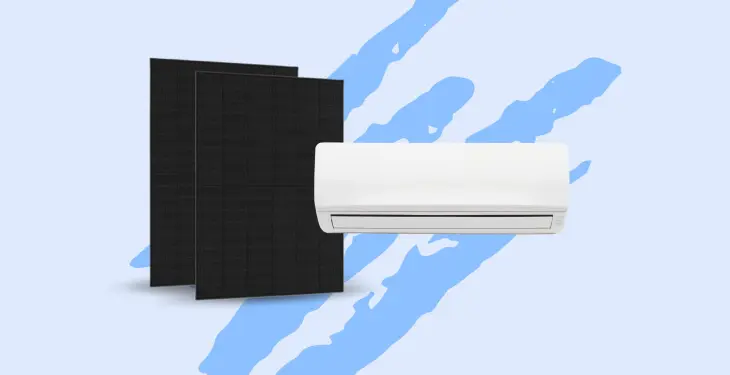
Solar panels can help power air conditioning systems during the hottest parts of the day, reducing running costs while making homes more comfortable during warmer weather.
See how much you could save with a solar & battery quote.
As UK summers become warmer and more homeowners install air conditioning, many people are starting to look at how solar energy installation and cooling systems can work together more efficiently.
In practice, solar generation often aligns surprisingly well with air conditioning usage because both peak during sunny daytime conditions.
During recent UK heatwaves, many homeowners found upstairs bedrooms, loft rooms, and south-facing spaces stayed uncomfortable well into the evening.
This has increased interest in combining solar panels with cooling systems to make day-to-day comfort feel more affordable and manageable long term.
Yes.
Modern solar panels can help power residential air conditioning systems during the day when solar generation is strongest.
In many homes, this works particularly well because air conditioning demand usually increases during warmer, sunnier weather when solar panels are producing the most electricity.
Rather than importing all cooling energy from the grid, solar can offset some or even most of the electricity used by the system depending on:
System size
Household energy usage
Solar generation levels
Battery storage
Air conditioning efficiency
For many homeowners, this makes solar and air conditioning feel like complementary upgrades rather than two completely separate systems.
check out our 2026 mega guide to the most energy-efficient air conditioning systems!
One of the biggest advantages is that cooling demand and solar generation naturally overlap.
Air conditioning systems usually work hardest:
During sunny afternoons
In warmer weather
When solar production is highest
This means homes can often use solar electricity directly for cooling during the most energy-intensive part of the day.
Many homeowners naturally use more cooling during sunny afternoons when working from home, which often aligns well with stronger daytime solar production.
In practice, homeowners with solar also tend to become more aware of when they use electricity, particularly once they realise cooling can often run partly on energy being generated at the same time.
Expert Insight:
Solar generation and cooling demand often peak at similar times, which is one reason air conditioning can work particularly efficiently alongside solar panels in residential properties. Homes using air conditioning mainly during daytime hours are usually in a stronger position to maximise direct solar usage.
In many cases, yes.
Modern air conditioning systems are generally far more efficient than many homeowners expect, especially inverter systems that adjust output gradually rather than constantly switching on and off.
When solar panels are added, daytime cooling costs can often reduce further because some of the electricity used by the system is offset by solar generation.
Several factors affect potential savings, including:
Solar system size
Roof orientation
Household usage patterns
Air conditioning efficiency
Battery storage
Electricity prices
In many homes, air conditioning systems work hardest during late afternoon when solar panels are still generating strongly, which can help offset some of the highest daytime cooling costs.
Some homeowners are initially hesitant about air conditioning because they expect very high running costs, but pairing cooling systems with solar can make everyday usage feel far more manageable during warmer months.
This depends on:
Room size
System efficiency
Outdoor temperatures
Usage patterns
Insulation quality
Modern split air conditioning systems are usually far more energy efficient than older cooling systems or portable units.
In practice, once the room reaches the target temperature, inverter systems often reduce output automatically and maintain steadier operation rather than running continuously at maximum power.
Many homeowners are surprised that insulation, shading, and room temperature settings often affect running costs just as much as the air conditioning system itself.
Sometimes, but not always.
A larger solar system producing strong daytime generation may cover a significant portion of cooling demand during sunny weather, particularly in well-insulated homes with efficient air conditioning systems.
However, this depends heavily on:
Solar panel output
Air conditioning usage
Cloud cover
Household electricity demand
Battery storage availability
Solar generation may not fully cover cooling demand during prolonged hot weather or periods of high household electricity usage.
Homes that mainly use air conditioning later in the evening may also rely more heavily on battery storage or imported electricity once solar generation drops.
Balanced expectations are important. Solar can help reduce cooling costs significantly without necessarily removing grid reliance entirely.
Yes, particularly during evenings.
Battery storage allows excess daytime solar generation to be stored and used later when solar production falls.
This can help support:
Evening cooling
Overnight bedroom air conditioning
Reduced peak-time electricity imports
Greater energy self-consumption
Many homeowners notice the biggest comfort difference during warmer evenings when stored solar energy can continue supporting cooling after sunset.
This is particularly noticeable in loft bedrooms and south-facing rooms where heat can linger long after outdoor temperatures begin dropping.
Battery storage can also help households make better use of daytime solar generation rather than exporting excess electricity back to the grid.
Modern split-system air conditioning is usually the best match for residential solar systems.
These systems are:
More energy efficient
Quieter indoors
Better for long-term use
More consistent in temperature control
Inverter air conditioning systems are particularly well suited because they adjust energy usage gradually rather than operating at full output constantly.
This steadier power demand often works more effectively alongside solar generation throughout the day.
Installers will also usually assess insulation, glazing, and room orientation before recommending system size because cooling performance depends heavily on how the room retains heat.
Several factors influence how effectively solar can offset air conditioning usage.
Factor | Impact on Cooling Costs |
Solar system size | Larger systems may offset more daytime cooling |
Roof orientation | South-facing roofs often generate more electricity |
Battery storage | Can support evening cooling |
Home insulation | Better insulation reduces cooling demand |
Air conditioning efficiency | Modern inverter systems use less energy |
Usage timing | Daytime usage often benefits most from solar |
In practice, homeowners often see the biggest long-term improvements when efficient cooling, insulation, shading, and realistic temperature settings work together rather than relying on one upgrade alone.
Absolutely.
Even with solar and efficient air conditioning, poorly insulated homes can still struggle to maintain comfortable temperatures during hotter weather.
In many UK homes, upstairs bedrooms and loft conversions become noticeably warmer than the rest of the property during prolonged sunny weather.
Loft insulation, shading, ventilation, and window positioning all affect how hard an air conditioning system needs to work.
Many homeowners focus heavily on the cooling system itself but underestimate how much heat enters through:
Roof spaces
Skylights
South-facing windows
Poorly insulated lofts
Installers will often recommend improving insulation or reducing direct solar heat gain alongside air conditioning upgrades to improve long-term efficiency and reduce cooling demand.
Yes.
As UK summers become warmer and more homes install air conditioning, interest in combining cooling systems with solar generation has increased noticeably.
Many homeowners are becoming more conscious of:
Electricity costs
Daytime cooling demand
Home energy efficiency
Long-term running costs
Energy independence
Air conditioning is also increasingly viewed as a year-round comfort upgrade rather than purely a luxury feature, especially as modern systems can provide heating as well as cooling.
Potentially, yes.
Solar panels can improve EPC ratings by reducing reliance on grid electricity, while efficient heating and cooling systems may also contribute positively depending on the setup.
For some homeowners, combining solar and modern air conditioning systems can help improve:
Energy efficiency perception
Running costs
Property appeal
Overall comfort
This can become particularly relevant as buyers pay closer attention to energy performance and household affordability.
Several misunderstandings still exist around cooling and solar systems.
Modern inverter systems are usually far more efficient than older cooling systems many people remember.
Modern solar panels can still generate useful electricity in UK conditions throughout much of the year.
Most homes still rely on some imported electricity depending on generation and household demand.
Many households actually benefit from battery storage during summer evenings when cooling demand continues after solar generation falls.
For many homeowners, yes.
Solar and air conditioning often complement each other surprisingly well because cooling demand typically increases during the same periods solar generation is strongest.
The combination can help:
Reduce daytime cooling costs
Improve home comfort
Increase solar self-consumption
Lower reliance on grid electricity
Help households manage cooling and heating costs more efficiently throughout the year
The financial benefit can still vary significantly depending on insulation quality, roof orientation, household energy usage, and how often cooling is actually used.
Many homeowners find the biggest difference is not simply lower daytime temperatures, but how much more comfortable bedrooms, loft rooms, and home offices feel during warmer evenings once cooling costs feel more manageable.
If you’re exploring solar panels or air conditioning for your home, iHeat can help you understand how modern solar, battery storage, and cooling systems can work together to improve comfort and reduce long-term energy costs.
Last updated: 21st May, 2026
Written by Bethany Armstrong
Renewables Manager at iHeat
Bethany Armstrong is a renewables expert and operations manager at iHeat, specialising in heat pump solutions and solar project delivery across the UK.
LinkedInArticles by Bethany Armstrong are reviewed by iHeat’s technical team to ensure accuracy and reliability.

18th September, 2026
The 18kWh Sigenergy SigenStor offers expandable home battery storage for changing energy n...
 Read Article
18th September, 2026
A solar battery's charge and discharge rates determine how quickly it can store and supply...
Read Article
16th September, 2026
Most home batteries can work without Wi-Fi, but some smart features need an internet conne...
Read Article
No obligation. Takes less than 60 seconds.


