


Do You Need Planning Permission For Solar Panels In The UK?
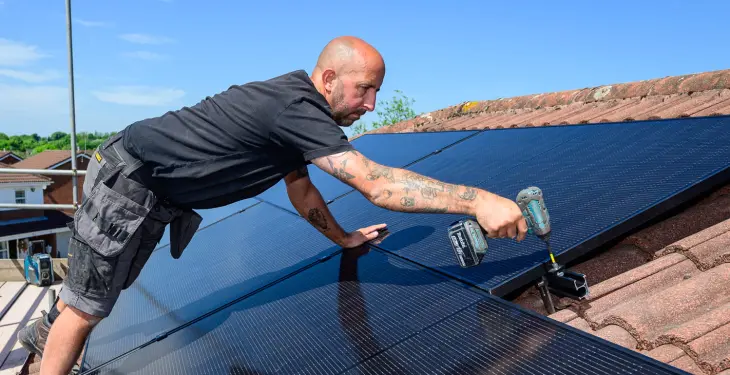

Written by Bethany Armstrong
Renewables Manager
Updated:
In most cases, homeowners in the UK don’t need planning permission for solar panels, provided the system meets certain guidelines around size, location, and impact.
Key takeaways
- Most homes can install solar panels under permitted development rights.
- Planning permission is required for properties like listed buildings, those in conservation areas, or flats.
- Size, placement, and aesthetics matter: systems need to follow specific guidelines to avoid needing permission.
- Compliance with building regulations is essential even without planning permission.
As more UK homes install solar panels, one of the first questions homeowners ask is whether they need planning permission. While most installations fall under permitted development rights, certain factors can make permission necessary. In this blog, we’ll clarify when planning permission is required and guide you through the process.
When Planning Permission Is Required
While many UK homes can install solar panels without planning permission, there are a few exceptions. Here’s when you will likely need planning permission:
1. Listed Buildings
For properties that are listed, planning permission is almost always required. Installing solar panels on these buildings can affect their historical integrity or visual appearance, so planning authorities need to assess the impact.
2. Conservation Areas or Protected Locations
If your home is located in a conservation area, National Park, or other protected area, planning permission may be required, especially if the installation affects the building's aesthetic or historical value. However, some councils might be more lenient on areas with existing solar infrastructure.
3. Flats and Maisonettes
Installing solar panels on flats or maisonettes is more challenging. In these types of buildings, planning permission is generally required due to shared areas, limited roof space, and potential effects on neighbours.
4. Large or Multiple Systems
If the solar system is larger than the allowed permitted development area (usually 4 square meters for roof-mounted panels), planning permission is required. This also applies if multiple units are installed.
When Planning Permission Is Not Usually Required
For most residential properties, installing solar panels does not require planning permission. As long as you meet the following guidelines, you’re likely to stay within permitted development rights:
1. Placement
Solar panels should be installed on the roof, and the installation must not protrude beyond the roofline.
For terraced homes, panels must be placed on the rear of the property, not the front.
The panels must not be installed on a front-facing wall or roof slope, except for non-designated areas.
2. Size Limitations
For houses, solar panels cannot exceed 4 square meters of coverage.
For ground or wall-mounted panels, the total area must not exceed 9 square meters.
3. Noise and Aesthetics
Solar systems should be quiet in operation. Poor placement or malfunctioning systems can lead to noise complaints. Panels must be installed discreetly to avoid drastically altering the property’s appearance.
Building Regulations and Installation Standards
Even when planning permission is not required, your solar system must comply with UK building regulations to ensure it is safe, efficient, and properly integrated into your home. Key areas covered by regulations include:
Electrical connections: All electrical work must be carried out by certified professionals to meet safety standards.
Structural integrity: Your roof must be able to support the weight of the panels.
Fire safety: Adequate fire safety measures should be in place, particularly for installations that involve internal wiring or mounting.
These standards ensure that the system is not just legally compliant but also safe and reliable.
What to Do if You Need Planning Permission
If your solar panel installation requires planning permission, the process is simple. Here's what you need to do:
Check Your Property Status – Find out whether your property is listed, or if it lies within a conservation area or national park.
Consult with Your Local Council – Your local planning authority will help determine the specific guidelines for your property and if permission is necessary.
Submit Your Application – If necessary, submit a formal application for approval. Ensure you include detailed plans of the installation.
Wait for Approval – Planning permission usually takes 8-12 weeks to process, but this timeline may vary depending on your location.
Installing Solar Panels in Conservation Areas
While installing solar panels in conservation areas or on listed buildings may require planning permission, this doesn’t mean it’s impossible. Many councils in conservation areas are now more flexible, and some solar installations are allowed when certain criteria are met.
If you live in a conservation area, it’s always best to contact your local council and get advice on what is possible. You may be required to make design adjustments or install the panels in a way that doesn’t alter the building’s visual appearance.
The Importance of Working with a Certified Installer
Once you’ve confirmed whether you need planning permission, the next step is to find a professional, certified installer who can help with the project. A certified installer will ensure that your installation complies with building regulations and local planning laws, while also ensuring the system is installed safely and efficiently.
iHeat offers expert advice on solar installations and can help guide you through every step of the process. From confirming planning requirements to professional installation, we ensure that your system is compliant and optimized for your home.
Final Thoughts: Planning Permission for Solar Panels in the UK
For the majority of homeowners in the UK, planning permission is not required to install solar panels. However, it’s important to check for specific restrictions based on property type or location.
Listed buildings, conservation areas, and flats may require additional permission, while other homes are typically covered under permitted development rights.
Before proceeding, always ensure that your solar installation complies with UK building regulations. If you're unsure, consult with a certified installer like iHeat to confirm your system is up to code.
Last updated:
Written by Bethany Armstrong
Renewables Manager at iHeat
Bethany Armstrong is a renewables expert and operations manager at iHeat, specialising in heat pump solutions and solar project delivery across the UK.
LinkedInArticles by Bethany Armstrong are reviewed by iHeat’s technical team to ensure accuracy and reliability.
More solar & battery storage help & advice
14th October, 2026
Tesla Powerwall 3 Price UK: 20...
A clear guide to Tesla Powerwall 3 pricing in the UK, what affects installation costs, and...
 Read Article
29th September, 2026
What Size Solar Battery Do I N...
Your ideal solar battery size depends on your energy use and solar setup. This guide cover...
Read Article
29th September, 2026
Will a Bigger Solar Inverter A...
A bigger solar inverter can save money in the right setup, but only when your home has eno...
Read Article