Retrofitting Air Conditioning in Older Homes: What to Consider


Written by Stephen Day
Gas Safe Engineer
Updated:
6 min read
Yes, most older homes can have air conditioning installed, but factors such as insulation, electrics, and pipe routing may affect the installation.
In this article
Key takeaways
- Most older homes can accommodate modern air conditioning systems.
- Property age is rarely the main obstacle to installation.
- Pipework routing and unit placement often require more planning.
A lot of homeowners assume air conditioning is only suitable for modern properties.
In reality, modern air conditioning systems can often be installed in Victorian homes, Edwardian properties, period cottages, converted buildings, and other older homes throughout the UK.
The challenge is rarely whether air conditioning can be installed at all.
Instead, the age and construction of the property often influence how the system is designed, where equipment can be positioned, and how installation work is carried out.
This guide explains the most important factors homeowners should consider before retrofitting air conditioning into an older property.
Are older homes suitable for air conditioning?
In most cases, yes.
Many homeowners are surprised to learn that modern air conditioning systems can be installed in a wide variety of older properties, including:
Victorian houses
Edwardian homes
Period cottages
Interwar properties
Barn conversions
Converted townhouses
While every property is different, the age of a home does not automatically determine whether air conditioning is possible.
In practice, factors such as room layout, available wall space, electrical capacity, and pipework routes often have a greater influence on installation planning than the property's age itself.
Why older homes can be more challenging than newer properties
Older homes were not designed with modern cooling systems in mind.
As a result, installation often requires more planning than it would in a newly built property.
Common challenges include:
Thick masonry walls
Solid-wall construction
Irregular room layouts
Previous renovations
Limited service routes
Restricted outdoor space
Many older homes have also undergone decades of alterations and extensions, which can create additional considerations when routing pipework or positioning equipment.
Expert Insight:
Many homeowners assume an older property cannot accommodate air conditioning. In practice, installation is usually possible, but planning pipe routes, unit locations, and electrical connections often requires more thought than in a modern home.
Insulation matters more than many homeowners expect
One of the biggest factors affecting air conditioning performance in older homes is insulation.
Many period properties were built before modern insulation standards existed, which means they can gain heat more quickly during warm weather.
Common examples include:
Solid walls
Single glazing
Poor loft insulation
Draught-prone rooms
This does not mean air conditioning will not work effectively.
However, better insulation can help the system maintain comfortable temperatures more efficiently and reduce running costs.
Many homeowners find that addressing simple insulation improvements alongside air conditioning installation delivers the best overall results.
Pipework routing can be more complex
Modern air conditioning systems require refrigerant pipework, electrical cabling, and condensate drainage connections between indoor and outdoor units.
In newer homes, finding suitable routes is often relatively straightforward.
Older properties can sometimes present additional challenges.
For example:
Solid brick or stone walls may require more careful drilling
Decorative period features may limit placement options
Narrow service voids can restrict pipe routes
Previous alterations may create unexpected obstacles
This does not usually prevent installation, but it often means survey and design work become particularly important.
In many cases, installers can use loft spaces, cupboards, side returns, cellars, or less visible wall locations to achieve a practical solution.
Electrical considerations in older homes
Some older properties still operate with electrical systems that have been upgraded gradually over time.
Before installation, the electrical supply should be assessed to ensure it can safely support the new system.
Factors that may require attention include:
Older consumer units
Circuit capacity
Existing electrical loads
Earthing arrangements
Many homeowners worry this automatically means expensive upgrades.
In reality, electrical assessments simply form part of the normal installation planning process and often confirm that no major changes are required.
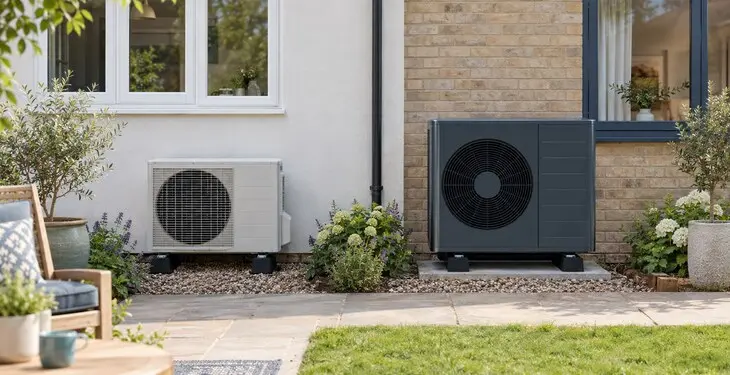
Outdoor unit placement
Finding a suitable location for the outdoor unit is an important part of any retrofit project.
Older homes sometimes offer fewer obvious placement options, particularly in dense urban areas.
Potential locations may include:
Rear gardens
Side passages
Courtyards
Rear walls
Flat roofs
The goal is usually to balance:
Practical installation requirements
Airflow performance
Accessibility for maintenance
Visual appearance
For many homeowners, aesthetics become just as important as technical considerations.
Listed buildings and conservation areas
Some older homes fall within conservation areas or have listed status.
This does not automatically prevent air conditioning installation, but it can create additional considerations.
Depending on the property, factors may include:
External unit visibility
Building regulations
Planning requirements
Heritage restrictions
Requirements vary significantly between properties and local authorities.
Homeowners with listed buildings or conservation-area properties should seek advice early in the planning process to understand any potential restrictions.
Common retrofit challenges in older homes
Challenge | Typical consideration |
Solid walls | More complex pipe routing |
Older electrics | Electrical assessment may be required |
Listed buildings | Additional restrictions may apply |
Smaller room layouts | Unit positioning becomes more important |
Previous renovations | Existing services may affect installation routes |
Limited outdoor space | Placement options may require more planning |
Most of these challenges can be overcome during the design stage, but they highlight why a detailed survey is particularly important in older properties.
Does retrofitting air conditioning create a lot of disruption?
Many homeowners expect significant disruption when retrofitting air conditioning into an older home.
In reality, most installations are completed with relatively limited disruption.
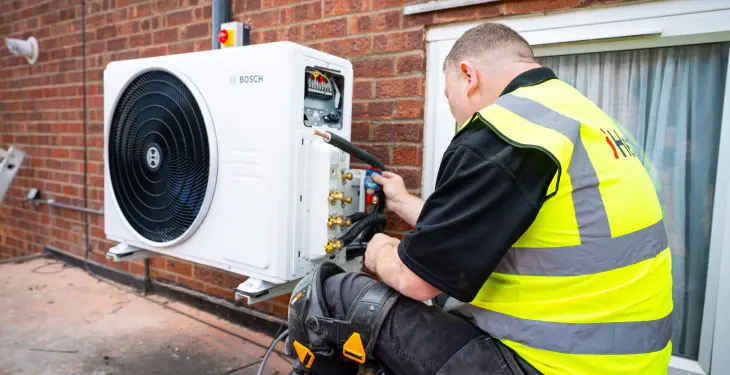
The process typically involves:
Mounting indoor units
Installing pipework
Drilling a small wall penetration
Connecting electrical supplies
Positioning the outdoor unit
The exact level of disruption depends on the property's construction and the complexity of the chosen installation route.
Older homes may require slightly more planning, but they do not automatically require major building work.
What homeowners often notice after installation
Many people initially focus on cooling performance before installation.
Afterwards, they often find the biggest benefits are linked to comfort and usability.
Common improvements include:
Cooler bedrooms during warm weather
More comfortable loft conversions
Better home office environments
Reduced overheating
More consistent room temperatures
For many households, the goal is not necessarily making rooms cold, but making them more comfortable and usable throughout the summer.
Common misconceptions about air conditioning in older homes
"My house is too old for air conditioning"
Most older homes can accommodate modern air conditioning systems with the right installation approach.
"Solid walls make installation impossible"
Solid walls may influence installation methods, but they rarely prevent installation altogether.
"Older electrics mean I can't have air conditioning"
Electrical systems can usually be assessed and upgraded if required.
"Listed buildings can never have air conditioning"
Some listed properties can still accommodate air conditioning, although additional permissions or restrictions may apply.
Is retrofitting air conditioning into an older home worth it?
For many homeowners, the answer depends on how often overheating affects comfort.
Bedrooms that remain hot overnight, loft conversions that become difficult to use, and home offices that feel uncomfortable during summer are common reasons people begin exploring air conditioning.
While older homes often require more planning than modern properties, they can still benefit significantly from modern cooling systems.
In most cases, the key is understanding the property's individual characteristics and designing the installation around them rather than assuming the home's age is a barrier.
If you're considering home air conditioning, iHeat can help homeowners explore modern systems designed to improve comfort while working around the practical challenges that older properties can sometimes present.
Last updated: