
Written by Stephen Day
Gas Safe Engineer
Updated: 5th March, 2026
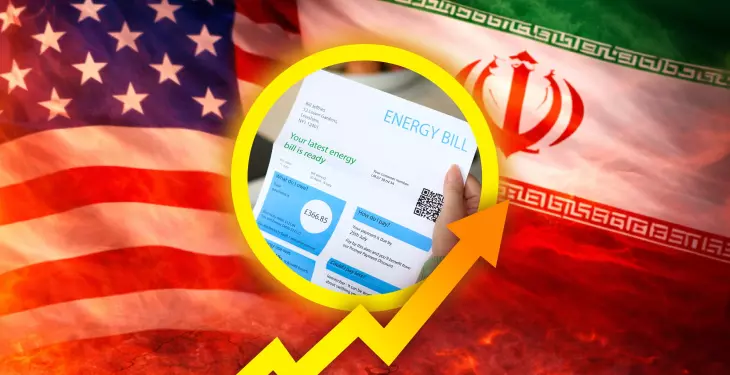
Rising tensions in the Middle East can influence global oil and gas markets, which can eventually affect UK household energy bills and electricity prices.
Get a new boiler quote, save up to £550 per year (0% APR available).
Energy headlines in the UK can feel confusing.
On one hand, the UK energy price cap has recently been reported as falling.
That sounds like good news for households that have struggled with rising energy costs over the past few years.
At the same time, global energy markets are showing signs of pressure again.
Oil prices today have been moving upwards, gas markets are reacting to geopolitical risks, and analysts are watching developments in the Middle East closely.
Wholesale gas markets have already shown signs of volatility as traders react to the possibility of supply disruption. This shows how quickly global energy markets respond to geopolitical risk.
This raises an important question.
Could global tensions trigger another energy crisis in the UK, even when prices appear to be easing?
To understand the risk, it helps to look at how global energy markets work and why events thousands of miles away can still affect UK energy bills.
This blog accompanies our latest video explaining how tensions involving Iran could affect global energy markets and why they may influence UK energy bills.
In the video, we explain how oil prices, global gas markets and the UK energy price cap are connected, and why events in the Middle East can sometimes lead to rising energy prices in the UK.
If you prefer a quick visual explanation, you can watch the full video below.
Energy markets operate on a global scale.
Oil and natural gas are traded internationally, which means prices are heavily influenced by supply disruptions or perceived risks to supply.
When conflicts affect major producing regions or key shipping routes, global markets react quickly. Traders adjust prices based on the possibility that energy supply could become restricted.
That is why geopolitical tensions often lead to sudden movements in global gas prices and oil markets.
Even if supply has not been disrupted yet, the risk alone can influence market behaviour.
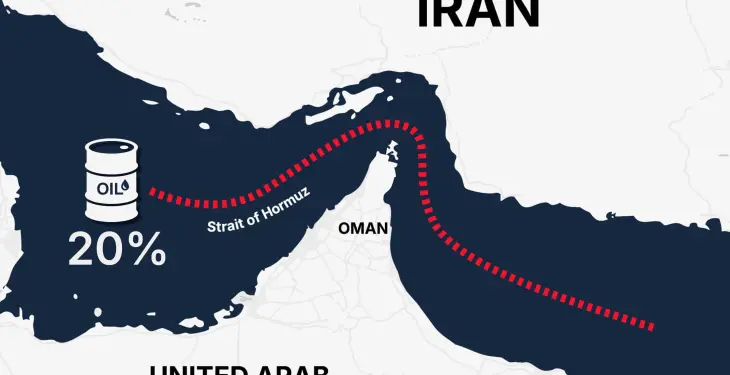
One of the most important locations in global energy markets is the Strait of Hormuz.
This narrow shipping route sits between Iran and Oman and connects the Persian Gulf to the open ocean. It is one of the most important oil transit routes in the world.
Around 20 percent of global oil supply moves through this corridor.
If tensions rise in the region or shipping routes become threatened, global markets respond quickly. Oil prices often rise as traders anticipate possible disruptions to supply.
That reaction can influence Middle East conflict oil prices and broader global energy markets.
Because natural gas markets are closely linked to oil supply risks and geopolitical stability, gas prices can also move upwards during periods of uncertainty.
The UK does not operate independently when it comes to energy.
Even though the country produces some energy domestically, it still relies heavily on international markets. That means global gas prices and global oil markets influence what households eventually pay.
Gas plays a particularly important role in the UK energy system.
It is used for two major things.
Heating most UK homes
Generating a large share of electricity
Gas fired power stations often generate around 30 percent of the UK's electricity, although this varies depending on demand and renewable output.
Because of this, when UK gas prices rise on global wholesale markets, the effect spreads across the entire energy system.
Heating becomes more expensive because gas costs more.
Electricity prices can also rise because gas fired power plants often set the price of electricity on the grid.
This is one reason UK electricity prices remain closely tied to global gas markets.
Many households look at the energy price cap UK to understand where energy bills might go next.
The cap is set by Ofgem, the UK’s energy regulator, and it limits the maximum amount suppliers can charge customers on standard variable tariffs.
However, the price cap does not reflect energy prices in real time.
Instead, it is based on wholesale energy costs from previous months.
That means there can be a delay between movements in global energy markets and the prices households actually see.
For example, if global gas prices begin rising today because of geopolitical tensions, that increase may not appear in the price cap until the next review period.
This is why households sometimes see headlines saying prices are falling while global gas prices are rising in the background.
If wholesale prices remain high, the next price cap update could move upwards again.
The UK has already seen how quickly global events can affect energy bills.
When Russia invaded Ukraine in 2022, global gas prices surged due to fears of supply shortages across Europe.
The impact on UK households was immediate.
The energy price cap increased by 54 percent in April 2022, followed by another increase later that year as wholesale prices continued rising.
Millions of households experienced large increases in UK household energy bills, both for heating and electricity.
That period demonstrated how closely the UK energy system is connected to global markets.
When supply disruptions occur internationally, the effect can reach households very quickly.
Rising tensions involving Iran have led some analysts to question whether global energy markets could face another period of instability.
Any disruption to shipping routes or production in the Middle East can influence oil supply and global gas markets.
If global energy supply becomes restricted, prices across energy markets can rise quickly.
That does not mean an energy crisis in the UK is inevitable. Energy markets are influenced by many factors including storage levels, demand, weather and alternative supply sources.
However, the experience of recent years shows that global energy markets can change quickly, and those changes can eventually influence UK energy bills.
Some analysts believe rising geopolitical tensions could increase the risk of another energy crisis in the UK, particularly if global gas supply becomes disrupted.
The UK remains closely linked to international energy markets, which means sharp increases in global gas prices can quickly affect electricity costs and household energy bills.
While the situation is uncertain, recent history has shown how quickly global supply shocks can influence the price of energy in Britain.
The uncomfortable reality is that the UK energy system remains connected to global markets.
Even with growing renewable energy generation, gas still plays a major role in heating homes and producing electricity.
Around 84 percent of UK homes are heated using natural gas, which is why movements in global gas markets can have such a strong impact on household energy costs.
When UK gas prices rise, both heating costs and electricity prices can increase.
For households, that means global events can still influence the cost of keeping homes warm and powered.
Oil prices influence household costs in a slightly different way.
When oil prices today rise due to geopolitical tensions, the impact is often seen most clearly at petrol stations.
Higher crude oil prices tend to push petrol and diesel prices upwards.
This can affect household spending directly through transport costs, but also indirectly through the wider economy.
Rising fuel costs can increase the cost of transporting goods, which may feed into broader inflation.
While global energy markets cannot be controlled by individual households, energy demand inside the home can be managed.
Heating is the largest part of most UK energy bills.
According to the Energy Saving Trust, around 55 to 60 percent of household energy use goes toward heating and hot water.
This is why the efficiency of a home’s heating system has such a large impact on energy costs.
Many older boilers in UK homes are far less efficient than modern heating systems.
Boilers that are more than 15 years old often operate at 60 to 70 percent efficiency.
This means a significant portion of the gas being paid for is lost as waste heat.
Modern A rated condensing boilers are typically over 90 percent efficient.
That means far more of the gas used actually becomes useful heat for the home.
In practical terms, replacing an older boiler can reduce gas usage by 15 to 30 percent, depending on the property and heating habits.
When gas prices increase globally, using less gas becomes even more valuable.
Get a quote in 60 seconds, fitted as fast as next day!
0% APR finance available.
Electricity is the other major component of UK household energy bills.
Because electricity prices are closely linked to gas markets, increases in gas prices can push electricity costs higher.
One way some households reduce their exposure to this volatility is by generating some electricity themselves.
Solar panels generate electricity from sunlight during the day.
A typical UK home solar system can generate around 3,000 to 4,000 kWh per year, depending on roof size, location and orientation.
For many homes, this can cover a significant portion of annual electricity demand.
Battery storage allows some of this electricity to be stored and used later in the evening when energy demand is often highest.
Depending on the system and usage patterns, households may reduce the amount of electricity they purchase from the grid by 50 percent or more.
The past few years have shown how quickly energy markets can change.
Conflicts, geopolitical tensions and supply disruptions can all influence global energy markets.
When those changes occur, the effect often flows through to UK gas prices, electricity markets and eventually household bills.
While households cannot control global events, they can reduce how much energy their homes require.
Improving heating efficiency, generating some electricity at home and reducing overall energy demand can help limit exposure to future price spikes.
Rising tensions involving Iran highlight how interconnected global energy systems are.
Shipping routes such as the Strait of Hormuz oil supply corridor play a critical role in keeping energy moving around the world.
When those routes face disruption risks, markets respond quickly.
That response can eventually influence the cost of heating homes, powering appliances and filling cars with fuel.
The lesson from the last energy crisis was clear.
Global events can influence local energy bills faster than many people expect.
Making homes more energy efficient is not just about saving money. It can also help households reduce their exposure to the volatility of global energy markets.
Last updated: 5th March, 2026
Written by Stephen Day
Gas Safe Engineer at iHeat
Stephen Day is a Gas Safe registered and FGAS certified engineer with over 20 years of hands-on experience in the heating, cooling, and renewable energy industry, specialising in boiler installations, air conditioning, and heat pump systems.
LinkedInArticles by Stephen Day are reviewed by iHeat’s technical team to ensure accuracy and reliability.

21st September, 2026
A boiler diverter valve directs heat to your heating or hot water.
 Read Article

15th September, 2026
Gas Safety Week 2026 takes place from 14 to 20 September, helping raise awareness of how t...
Read Article

15th September, 2026
F72 usually points to a sensor fault or poor circulation in the heating system.
Read Article
No obligation. Takes less than 60 seconds.


